When Do Babies Learn to Walk in India? A Cultural Guide
When do babies learn to walk in India often varies, typically falling between 9 and 18 months, with an average around 12-15 months. However, research highlights that cultural practices significantly influence this timeline, sometimes extending it due to diverse Indian parenting approaches that prioritize safety, cleanliness, or communal carrying. Understanding these influences helps Indian parents support their child's gross motor development effectively, aligning with the child-led principles of Montessori.
What are Baby Walking Milestones?
Baby walking milestones refer to the sequential developmental steps a child takes towards independent walking, from crawling to pulling up and cruising. This progression matters because it builds crucial gross motor skills and spatial awareness. Indian parents can actively support this by creating safe, stimulating environments at home.
Cultural Echoes: How Indian Parenting Shapes Walking Timelines
The journey to independent walking is a universal human milestone, yet its timing can be subtly shaped by the unique rhythms of family life and cultural norms. In India, where joint families are common and children are often surrounded by doting elders, parenting practices naturally differ from those in other parts of the world. A recent report from Science News highlighted that culture indeed helps shape when babies learn to walk, emphasizing the dynamic interplay between nature and nurture.
The Role of Joint Families and Doting Caregivers
In many Indian households, particularly in joint families, babies are almost constantly held, carried, or passed between family members. This constant physical contact, while incredibly nurturing and rich in social interaction, can sometimes inadvertently reduce a baby's floor time. Less time on the floor means fewer opportunities for self-initiated crawling, sitting independently, pulling up, and cruising – all vital precursors to walking. For instance, a grandparent's loving concern might lead them to pick up a baby immediately, rather than letting them navigate a fall or struggle to stand.
Child development experts agree that ample, unrestricted floor time is paramount for gross motor development. It allows babies to experiment with balance, strength, and coordination without external intervention. While the protective instincts in Indian homes are deeply ingrained, offering dedicated, safe floor time can significantly empower a baby's journey towards walking.
Balancing Cleanliness and Freedom of Movement
Another strong cultural element in India is the emphasis on hygiene and cleanliness. Parents and caregivers often prefer to keep babies off potentially 'dirty' floors, especially in urban settings or homes with pets. This concern, while understandable, can sometimes restrict a baby's access to the very space needed for physical exploration.
However, traditional Indian practices also offer unique benefits. The daily oil massage, or 'malish,' performed by mothers or grandmothers, provides incredible sensory input, enhancing body awareness and muscle tone. This proprioceptive input is invaluable for a baby's developing motor system, showing how certain cultural traditions can inadvertently support physical readiness for walking.
Montessori's Wisdom: Nurturing Natural Gross Motor Development
Maria Montessori, a pioneer in child education, observed that children possess an innate drive to move and explore. Her philosophy emphasizes respecting this inner drive by preparing an environment that allows for maximum independence and discovery. For gross motor development and walking, this approach is particularly insightful for Indian parents.
Creating a "Yes" Environment for Movement
A Montessori-inspired "yes" environment is one where a child can move freely and safely without constant parental intervention. This means decluttering spaces, securing furniture, and ensuring that everything within reach is safe for exploration. Instead of baby walkers, which can hinder natural development, provide stable, push-along toys or sturdy low furniture for cruising.
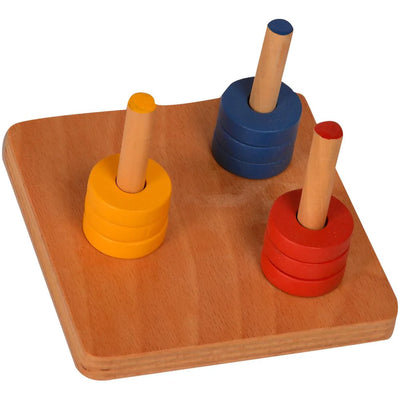
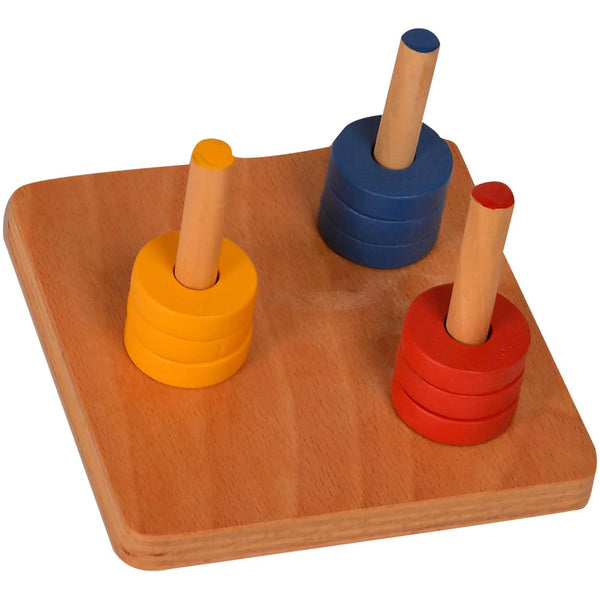
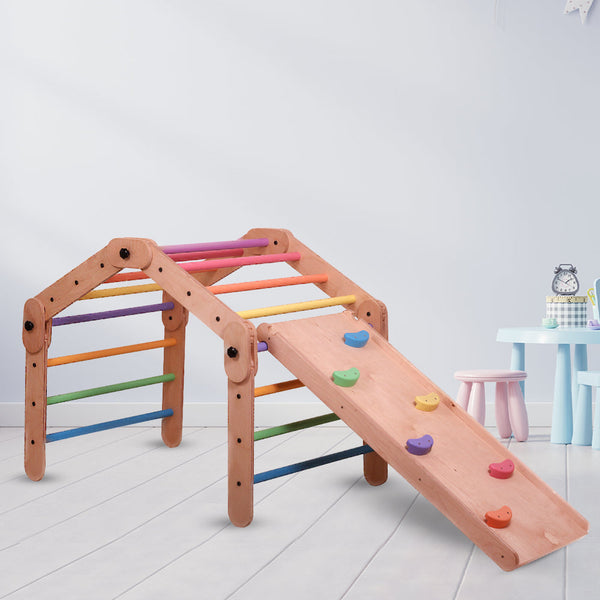
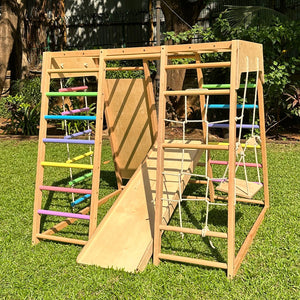
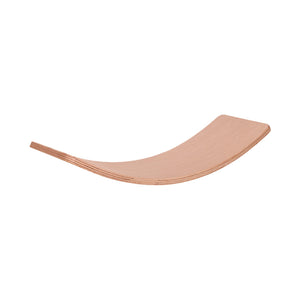
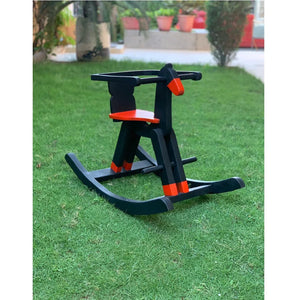
For parents in Bengaluru, even in smaller apartments, dedicating a specific corner or room as a movement zone can make a huge difference. Fill it with opportunities for physical challenge, such as low bars to pull up on or soft mats for rolling and crawling. Explore our range of gross motor skill toys that are designed to support this natural development.
Supporting the Child's Inner Drive
The Montessori approach encourages parents to observe their child's cues and allow them to initiate movement. When Aarya, a 10-month-old in a Bangalore joint family, is struggling to pull herself up, a Montessori parent would offer encouragement rather than immediately lifting her. This allows Aarya to build strength, problem-solving skills, and a sense of accomplishment. Research published in Nature, focusing on cultural differences in motor skills, reinforces that diverse stimuli and opportunities for self-directed movement are key.
This child-led approach respects the baby's individual developmental timeline. It acknowledges that some babies will walk at nine months, while others will be perfectly normal walking at 18 months. The focus shifts from comparing milestones to fostering the joy of movement and discovery. Discover a variety of Montessori learning materials that encourage this innate curiosity and physical development.
Practical Steps for Indian Parents to Encourage Walking
You can actively support your child's journey to walking by blending traditional Indian care with Montessori principles:
- Maximize Floor Time: Dedicate regular periods each day for your baby to play and explore on a clean, safe floor. Place engaging toys slightly out of reach to encourage crawling and reaching.
- Encourage Standing and Cruising: Provide stable, low furniture (like a sturdy coffee table or a low shelf) for your baby to pull up on and cruise along.
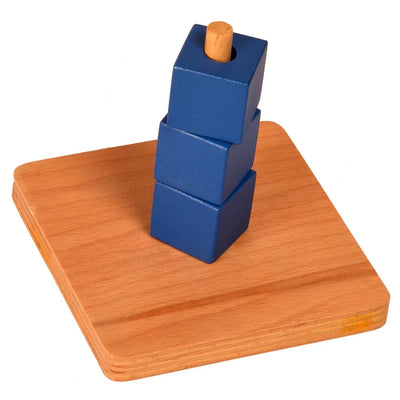
- Offer Open-Ended Play: Simple blocks or push toys encourage problem-solving and gross motor skills. The satisfying clunk of wooden blocks being stacked and knocked over, or the effort required to push a small trolley, builds both physical strength and delight.
- Trust the Process: Avoid comparisons with other children. Focus on your child's unique progress and celebrate each small step. As UNICEF's "It's Right to Play" initiative reminds us, play is fundamental to a child's holistic development, including physical milestones.
- Embrace Tradition with Awareness: Continue the enriching 'malish' but also ensure it's balanced with ample opportunities for independent movement.
By consciously creating an environment that respects your child's natural drive, Indian parents can effectively support their baby's journey to independent walking, fostering confidence and a lifelong love for movement.