Inclusive Sensory Play Spaces: India's Vision, Your Home
Inclusive sensory play spaces are thoughtfully designed environments that cater to all children, regardless of their developmental abilities, fostering engagement through diverse sensory experiences. These spaces, like Safdarjung Hospital's 'Umang Vatika' and Kerala's inclusive parks, are vital for holistic child development, promoting cognitive growth, emotional regulation, and social skills for every child. Indian parents can adapt these principles at home to create equally enriching, accessible play areas, ensuring every child has opportunities to thrive.
India is currently witnessing a heartening wave of initiatives aimed at making play accessible for every child. Recent news highlights the inspiring 'Umang Vatika' at Safdarjung Hospital, a dedicated space letting children with disabilities play freely and safely. Similarly, Kerala's Thiruvananthapuram inclusive park exemplifies a growing national commitment to creating sensory-rich, accessible public spaces. These initiatives are not just about ramps and wider pathways; they are about fostering environments where every child, from a babbling infant to a curious preschooler, feels welcome and stimulated.
What is an Inclusive Sensory Play Space?
Inclusive sensory play spaces are environments specifically designed to stimulate multiple senses—touch, sight, sound, smell, and movement—in a way that is accessible and beneficial for children of all abilities. This matters because research shows diverse sensory input is critical for brain development and skill acquisition. Indian parents can integrate these ideas into everyday home life to support their child's unique developmental journey.
Drawing Inspiration from India's Groundbreaking Initiatives
The vision behind places like 'Umang Vatika' and Kerala's inclusive parks resonates deeply with every parent's desire for their child to experience joyful, unhindered play. These public spaces often feature textured pathways, musical elements, fragrant gardens, and varied equipment designed to engage different senses and accommodate various physical needs. They teach us that thoughtful design can remove barriers and create truly enriching experiences for everyone.
Consider the concept of a 'sensory garden' in these parks. Here, children can touch rough bark, smooth leaves, or soft petals, smell jasmine or tulsi, and hear the rustle of leaves or the chime of wind bells. This multi-sensory engagement is not just entertaining; child development experts consistently confirm it builds critical neural connections, improves focus, and aids in emotional regulation, especially for children who may process sensory information differently.
Montessori Inclusive Play: Creating Accessible Sensory Environments at Home
Maria Montessori's philosophy, centred on the 'prepared environment,' provides a perfect framework for creating inclusive sensory spaces right within your home. A Montessori-inspired home environment is naturally accessible and designed to meet the child where they are, offering materials that invite exploration and learning. This means considering your child's unique developmental stage and sensory preferences, not just their age.
For instance, for a child who is visually impaired, tactile elements become paramount. A collection of different fabrics like silk, jute, and cotton, or natural items like pebbles and dried leaves, can offer rich sensory input. For a child with auditory sensitivities, a quiet corner with soft cushions and calming visuals provides a much-needed retreat, while a child who seeks auditory input might enjoy a small music station with various instruments. Remember, the goal is to create balance and choice.
Sensory Play for Children with Disabilities: A Focused Approach
Creating effective sensory play for children with disabilities involves careful observation and adaptation. If your child has sensory processing differences, they might be highly sensitive to certain stimuli (sensory avoidance) or constantly seek out others (sensory seeking). Tailoring activities to these specific needs is crucial for positive engagement and development.
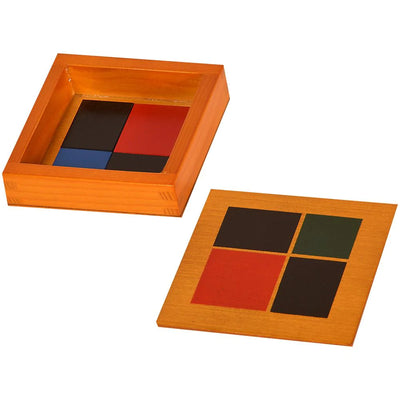
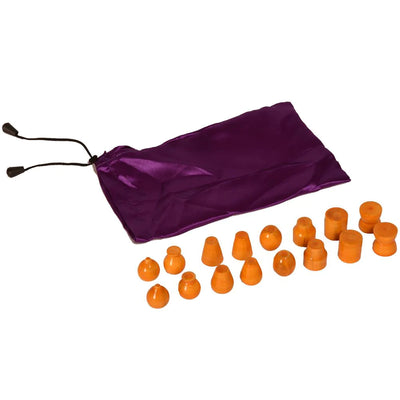
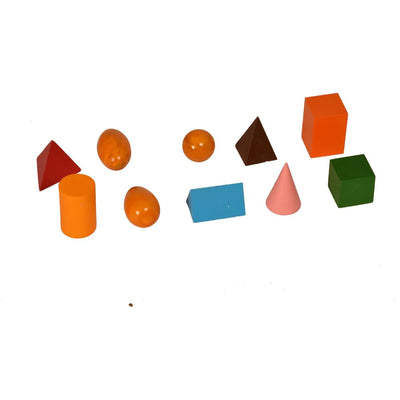
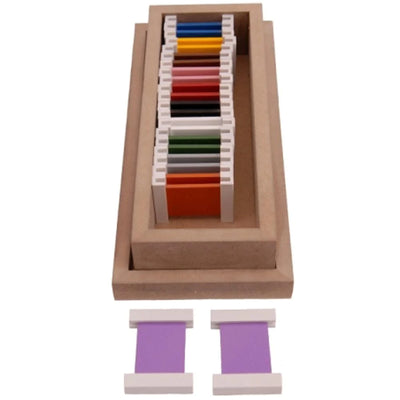
For a child seeking proprioceptive input, activities involving heavy work like pushing a small toy trolley or kneading dough can be incredibly regulating. For those needing vestibular input, gentle swinging or spinning can be beneficial. SkilloToys offers a range of activity kits that encourage exploration through touch, sight, and sound, providing excellent starting points for adaptable sensory play at home. These materials are designed to be open-ended, allowing for individualised engagement.
Accessible Play Areas India: Simple Ideas for Every Family
You don't need elaborate setups to foster inclusive sensory play. Many elements found in traditional Indian homes and everyday life offer fantastic opportunities. Think about the simple act of a grandparent massaging a baby with warm oil; this isn't just tradition, it's rich proprioceptive and tactile input crucial for self-regulation and body awareness, mirroring modern sensory integration techniques.
Here are some practical, low-cost ways to create accessible play areas India families can easily implement:
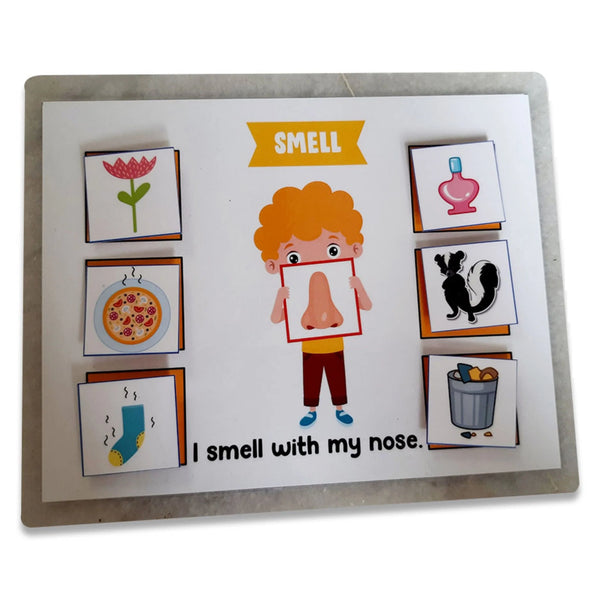
- The Kitchen as a Sensory Lab: Let your child (under supervision) explore different spices (cloves, cardamom), pulses (rajma, chana), or textures of flour. The smell, touch, and even the sounds of pouring and mixing offer a wealth of sensory experiences.
- Nature's Playground: Gather natural items from your garden or park – leaves, twigs, stones, flowers. A simple basket of these elements offers diverse tactile, visual, and even olfactory input. Encourage sorting, stacking, and imaginative play.
- Textile Treasure Trove: Collect fabric scraps of different textures – silk, cotton, velvet, jute. Babies and toddlers love exploring these with their hands and feet. This is wonderful for tactile discrimination.
- Water Play Wonders: A bucket of water with cups, spoons, and natural items (like flower petals) provides endless sensory exploration. Add a little food colouring for visual appeal or a drop of rose water for scent.
- Quiet Corners: Create a cozy, dimly lit corner with soft cushions and a few calming toys. This serves as a safe retreat for children who might feel overwhelmed by too much sensory input, offering a space for self-regulation.
Child development research consistently shows that when children are given freedom to explore a prepared environment, they develop confidence and a stronger sense of self. Integrating Montessori principles into your home means offering choices and allowing your child to direct their own play within safe, stimulating boundaries. Consider exploring our full range of Montessori method learning materials for toys that naturally encourage independent, sensory-rich exploration.
By drawing inspiration from India's commitment to inclusive public play spaces, you can empower your child's sensory development at home. Start small, observe your child's interests and needs, and remember that the most impactful sensory experiences often come from the simplest, most accessible materials.