Activity in Marathi: Traditional Outdoor Play for Kids
Engaging in traditional outdoor activity in Marathi is crucial for holistic child development, particularly for Marathi-speaking children across Maharashtra. These culturally rich games, passed down through generations, effectively combat rising screen time and sedentary lifestyles, directly supporting children's physical health and cognitive growth. Child development experts agree that such play is as vital as study time for building resilience and improving concentration.
Worried about the alarming rise of myopia in Indian children or early heatwaves triggering dehydration? Reintroducing these vibrant activities offers a powerful antidote. This post explores how incorporating traditional Marathi games can not only boost physical development but also foster a deeper connection to cultural heritage.
What is Traditional Marathi Outdoor Play?
Traditional Marathi outdoor play encompasses indigenous games and physical pursuits originating from Maharashtra, often played in groups and utilizing minimal equipment. This matters because these activities naturally foster gross motor skills, social interaction, and cultural identity. Indian parents can actively reintroduce these games to ensure their children experience balanced development.
Traditional Marathi Games for Kids: A Legacy of Active Play
Studies indicate that active outdoor play is fundamental for children's physical and mental well-being, providing benefits that even surpass structured indoor activities. Traditional Marathi games for kids offer a vibrant, culturally resonant way to achieve this. These games, often learned from grandparents in joint families, promote vigorous movement and strategic thinking, making them perfect for children's activities Maharashtra-wide.
Consider Lagori, a popular game involving throwing a ball to knock down a stack of seven stones, then re-stacking them while avoiding being tagged. This simple yet dynamic game enhances hand-eye coordination, agility, and teamwork. Similarly, Kho Kho, a game of chase and tag, demands incredible speed, stamina, and strategic planning, making it an excellent outdoor game in Marathi that builds endurance.
Kabaddi, with its blend of wrestling and chasing, is another excellent example of gross motor activities Marathi children enjoy. Even simpler games like Bhovra (spinning top) develop fine motor control and concentration, while Vitti Dandu, a traditional bat-and-stick game, improves precision and coordination. These activities highlight the intrinsic value of physical exertion and competitive spirit in a playful context.
Gross Motor Activities Marathi Children Need for Healthy Development
Maria Montessori's philosophy profoundly emphasizes the importance of movement for cognitive development, stating that 'the hand is the instrument of the mind.' Gross motor activities are large-muscle movements that involve the arms, legs, and torso, crucial for balance, coordination, and strength. For Marathi children, traditional outdoor games provide a natural, engaging pathway to developing these essential skills.
Research shows that children who regularly engage in gross motor play exhibit better academic performance and emotional regulation. Running during Kho Kho, jumping to avoid a tag in Lagori, or balancing while spinning a Bhovra all contribute to significant improvements in a child's proprioception and vestibular sense. These fundamental skills are vital for everyday tasks and future learning.
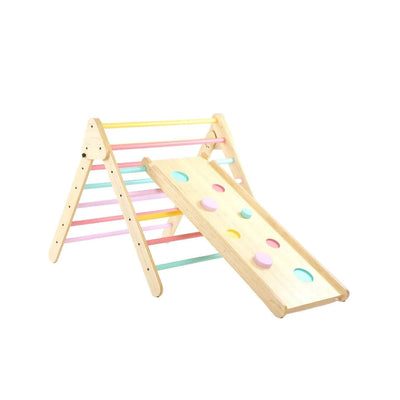
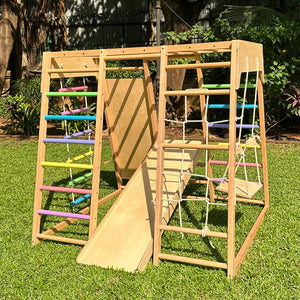
To complement traditional play, SkilloToys offers a range of gross motor skill toys designed to further enhance these developmental areas. From balancing beams to large-block constructions, these materials support the physical exploration encouraged by Marathi outdoor play, providing tools that nurture a child's natural urge to move and explore their environment confidently.
Combatting Modern Challenges with Marathi Outdoor Play Ideas
The contemporary Indian urban landscape presents unique challenges, including increased screen time, academic pressure, and environmental concerns like early heatwaves. However, culturally relevant marathi outdoor play ideas can be tailored to address these issues effectively. For instance, playing during the cooler early mornings or late evenings ensures children stay active without succumbing to heat-induced dehydration and fatigue.
Furthermore, regular outdoor play has been definitively linked to a reduction in the risk of myopia, a condition seeing an alarming rise among Indian children. Focusing on distant objects and engaging in dynamic visual activities outdoors strengthens eye muscles and promotes healthy vision. Child development experts stress that ensuring children spend at least 60 minutes outdoors daily is a crucial preventative measure against this trend.
Integrating these traditional games offers a holistic approach. It provides a much-needed break from the academic rigor faced by many children, allowing for mental decompression and physical rejuvenation. The unstructured nature of play, guided by the familiar rules of traditional games, fosters creativity and problem-solving, countering the stresses of a high-pressure study environment.
Creating Engaging Marathi Outdoor Play Environments
Creating opportunities for children's activities Maharashtra-wide often involves leveraging community spaces or simply reimagining home environments. Encouraging parents, grandparents, and even neighbors to participate in or supervise traditional games can revive these practices. Simple tools like a ball, a few stones, or even just open ground are often all that is needed for hours of enriching play.
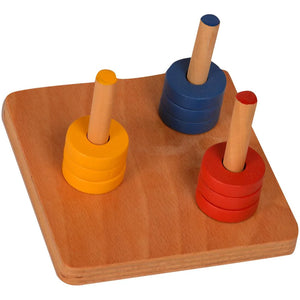
SkilloToys advocates for environments that encourage free movement and exploration, aligning perfectly with the spirit of Marathi outdoor play. While specific materials like pink towers or sandpaper letters focus on fine motor and cognitive skills, the overarching Montessori philosophy encourages children to engage with their surroundings actively. Explore our full range of Montessori method learning materials to see how indoor and outdoor play can complement each other, building a robust foundation for learning.
Encouraging children to teach these games to their friends or younger siblings not only reinforces the learning but also strengthens community bonds. This approach helps to preserve cultural heritage while simultaneously addressing the critical need for physical activity in children's daily lives, ensuring they grow up strong, agile, and connected to their roots.
- Traditional outdoor activity in Marathi significantly boosts children's gross motor skills and overall physical health.
- Engaging in games like Lagori, Kho Kho, and Kabaddi promotes agility, coordination, stamina, and teamwork.
- Regular outdoor play, especially traditional games, is a proven strategy to combat rising screen time and sedentary lifestyles.
- Experts recommend daily outdoor activity to reduce the risk of myopia and enhance visual health in children.
- Culturally rich play fosters a deeper connection to heritage and strengthens community bonds among children and families.
- Maria Montessori's philosophy highlights movement as essential for cognitive development, making outdoor play indispensable for learning.
What are some popular traditional Marathi outdoor games?
Some popular traditional Marathi outdoor games include Lagori, Kho Kho, Kabaddi, Bhovra (top spinning), and Vitti Dandu. These games are deeply rooted in Maharashtra's cultural heritage and encourage vigorous physical activity, fostering both individual skill and teamwork among children.
How do traditional Marathi games help develop gross motor skills?
Traditional Marathi games significantly enhance gross motor skills by involving activities like running, jumping, throwing, balancing, and agile movements. For instance, playing Lagori improves hand-eye coordination and throwing accuracy, while Kho Kho builds speed and stamina, directly contributing to a child's overall physical strength and coordination.
Are these games suitable for young children?
Many traditional Marathi games can be adapted for younger children, focusing on simpler rules and movements. Even toddlers can benefit from basic elements like chasing or balancing, which lay the foundation for more complex gross motor skills. Parents and grandparents often simplify these games to ensure inclusion and enjoyment across different age groups.
How can parents encourage outdoor play amidst school pressure and heatwaves?
Parents can encourage outdoor play by scheduling activities during cooler parts of the day, such as early mornings or late evenings, and ensuring children stay hydrated. Balancing school pressure with play is vital; even 30-60 minutes of daily outdoor activity significantly benefits physical and mental well-being, helping to combat fatigue and improve concentration. Providing simple, traditional play options makes it easier for children to engage spontaneously.
Where can I find resources for traditional Marathi games?
Resources for traditional Marathi games can often be found within local communities, through grandparents and elders who have preserved these traditions. Online platforms and cultural organizations in Maharashtra also frequently share rules and stories of these games. SkilloToys encourages exploring these cultural connections to enrich a child's playtime experience.