Educational Toys by Age: Sensory Development 0-5 Years
Choosing the right educational toys for sensory development is paramount for children from birth to five years, laying a crucial foundation for cognitive and physical growth. For parents across India, particularly in bustling cities like Bengaluru, understanding how to select age-appropriate Montessori educational toys ensures your child receives optimal stimulation, fostering independence and a lifelong love for learning.
What is Sensory Development in Montessori?
Sensory development, within the Montessori framework, is the process by which children refine their five senses through hands-on interaction with carefully designed materials. This matters because it sharpens their ability to perceive, discriminate, and understand the world around them, building a strong base for abstract thought and problem-solving. Indian parents can facilitate this by observing their child's natural interests and offering materials that precisely meet their evolving sensory needs.
Infant Sensory Toys: The First Year (0-12 Months)
The first year of life is a period of incredible sensory exploration, where infants primarily learn through their mouths, hands, and eyes. Child development experts agree that offering diverse, safe stimuli helps build critical neural pathways. For new parents in India, often supported by joint families, these early interactions are crucial.
0-6 Months: Awakening the Senses
During these initial months, a baby's world is about gentle exploration. Their primary sensory input comes from touch, sight, and sound. Montessori infant sensory toys are designed to be simple, focusing on one quality at a time to avoid overstimulation, a common concern for parents of newborns. Think about the comforting warmth of a grandmother's touch during a traditional oil massage, and how that tactile input calms and grounds the baby.
- Visual Mobiles: Starting with black and white images, transitioning to primary colors, these help develop visual tracking and concentration.
- Grasping Rattles: Lightweight, easy-to-hold wooden or crocheted rattles encourage grasping reflexes and auditory awareness. The gentle sound provides distinct feedback.
- Tactile Balls: Fabric balls with different textures (smooth, bumpy) introduce varied touch sensations.
Research indicates that exposure to varied sensory input in infancy supports stronger neural connections, crucial for future learning.
6-12 Months: Purposeful Exploration
As babies gain more control over their bodies, their sensory exploration becomes more intentional. They begin to manipulate objects, transfer them from hand to hand, and understand cause and effect. This period is a delightful time of discovery, often witnessed with wonder by proud grandparents.
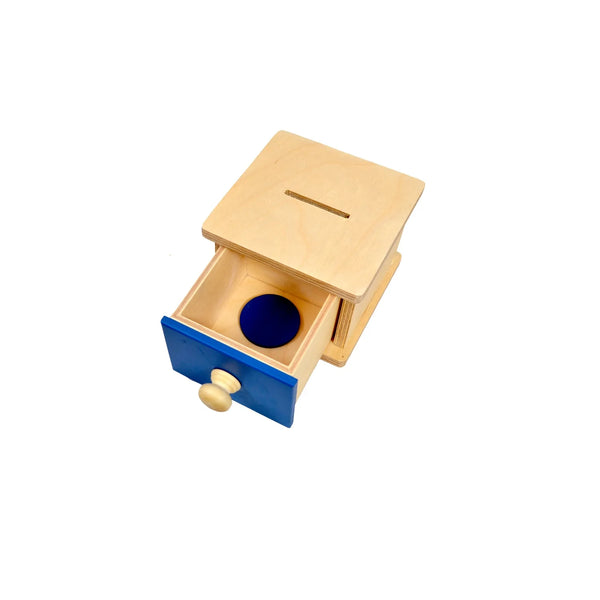
- Object Permanence Box: This simple yet profound toy teaches that objects continue to exist even when out of sight, engaging visual tracking and understanding.
- Wooden Stacking Rings/Cups: These develop fine motor skills, hand-eye coordination, and an understanding of size and sequence through touch and sight. The satisfying clunk of one ring on another provides clear auditory feedback.
- Discovery Baskets: Filled with safe, natural household items (e.g., wooden spoons, natural sponges, fabric scraps), these offer a rich array of textures, weights, and temperatures for tactile exploration.
The ability to purposefully interact with their environment at this stage significantly enhances their proprioceptive sense – the awareness of their body in space.
Best Educational Toys for Toddlers (1-3 Years): Refining Sensory Input
Toddlerhood is a whirlwind of curiosity and burgeoning independence. At this stage, children are refining their sensory perceptions and using them to understand more complex concepts. Montessori educational toys for toddlers shift towards more structured activities that build on their foundational sensory experiences.
For parents like Sameer and Priya in Chennai, who are navigating their 2-year-old daughter Aarya's boundless energy, these toys offer constructive outlets for exploration.
- Knobbed Cylinders: These materials engage visual discrimination of size and dimension, tactile exploration, and fine motor skills as the child learns to fit each cylinder into its corresponding hole.
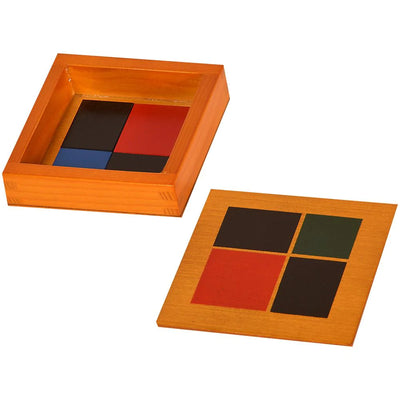
- Color Tablets: Beginning with primary colors, then gradients, these teach color matching and discrimination, refining visual sense and vocabulary.
- Sound Cylinders: A set of cylinders that, when shaken, produce different sounds. This activity sharpens auditory discrimination and memory.
- Practical Life Activity Kits: Activities like pouring water, buttoning frames, or transferring beans develop coordination, concentration, and sensory integration through real-world tasks, a cornerstone of Montessori philosophy.
Maria Montessori observed that children have "sensitive periods" for specific types of learning, and providing the right sensory input during these times is crucial for natural development. A child who struggles to share at 2 years old isn't being selfish; they are often exploring the concept of "mine," a necessary precursor to understanding "ours," and play with individual sensory toys allows for this self-focused exploration without pressure.
Preschool Sensory Activities with Toys (3-5 Years): Preparing for Abstraction
As children approach preschool age, their sensory experiences become more refined and are increasingly linked to language development and pre-academic skills. The goal is to move from concrete sensory experiences to abstract understanding.
Many Bengaluru parents balancing work and home life worry about school readiness. Montessori materials offer a gentle, hands-on bridge.
- Pink Tower/Brown Stair: These iconic materials develop visual discrimination of size and dimension in three (Pink Tower) and two (Brown Stair) dimensions, building foundational understanding for mathematical concepts. They also enhance concentration and order.
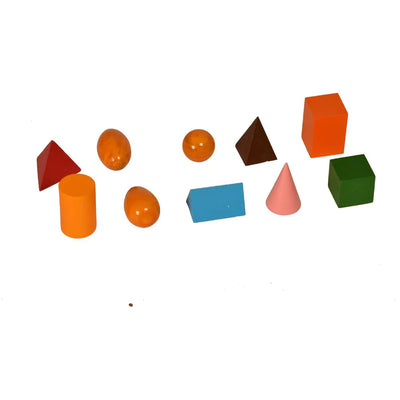
- Geometric Solids: Exploring shapes like spheres, cubes, and cylinders through touch and sight prepares children for geometry. The feel of the smooth wood and the understanding of its form is a powerful sensory lesson.
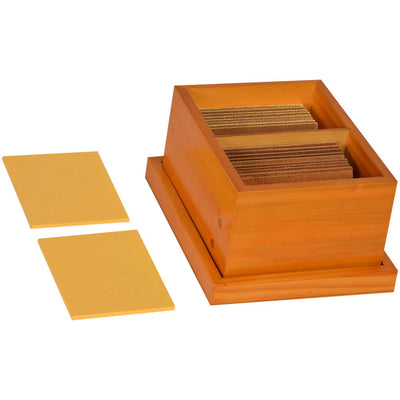
- Montessori Sandpaper Letters and Numbers: Children trace these textured letters and numbers, engaging tactile, visual, and auditory senses simultaneously, which significantly aids in literacy and numeracy development. This multi-sensory approach is particularly effective, as recommended by early education frameworks like NCERT's foundational stage curriculum.
- Thermic Tablets/Baric Tablets: These advanced materials allow children to discriminate temperatures and weights through touch, further refining their tactile sense.
For children who might face developmental challenges, such as those highlighted by initiatives like Safdarjung Hospital's 'Umang Vatika' for children with disabilities, structured sensory play with Montessori materials offers a consistent and predictable environment. This allows for self-paced engagement, reducing potential overwhelm and fostering a sense of accomplishment.
Studies indicate that children engaged in structured sensory play demonstrate improved problem-solving skills and enhanced creativity compared to those exposed primarily to passive entertainment. The seemingly "boring" nature of Montessori educational toys, devoid of flashing lights and loud noises, is intentional; it requires the child to actively engage their imagination and focus, strengthening intrinsic motivation.
Providing age-appropriate Montessori educational toys helps your child not just to play, but to deeply understand and interact with their world, preparing them for a lifetime of curious and capable learning. Observe your child, understand their unique pace, and celebrate every small sensory discovery.