Montessori Sensory Play: Your Homeschooling Guide (0-5)
Integrating Montessori sensory play homeschooling into your curriculum for 0-5 year olds creates a powerful foundation for holistic development, directly addressing the unique needs of early childhood learning. This approach empowers parents in India to nurture their child's natural curiosity and build essential cognitive skills right within their home environment.
Montessori sensory play is a method of learning that refines a child's senses through purposeful, hands-on engagement with specially designed materials and everyday objects. This matters profoundly because robust sensory development is the cornerstone of all future learning, enhancing a child's ability to concentrate, observe, and understand the world around them. Indian parents can easily implement this by creating inviting spaces for exploration using familiar items and specific Montessori tools.
The Science Behind Sensory Development in Early Childhood Homeschooling India
Research consistently shows that early childhood is a critical period for brain development, with sensory experiences playing a pivotal role. The American Academy of Pediatrics highlights how sensory input builds neural pathways, supporting everything from language acquisition to problem-solving. For instance, the simple act of a 2-year-old sorting different types of dals – feeling their textures, observing their colours – isn't just play; it's active brain building.
This hands-on exploration, a hallmark of Montessori, directly supports neuroplasticity, allowing a child's brain to adapt and strengthen connections. Child development experts agree that a rich sensory environment during these formative years can significantly enhance a child's cognitive abilities and emotional regulation. Consider how grandmothers in India traditionally massage babies with warm oil – this isn't just a ritual; it's providing essential proprioceptive and tactile input that aids in body awareness and self-soothing, a concept now embraced by modern therapists.
Age-Appropriate Montessori Sensory Activities for Homeschoolers (0-5 Years)
Tailoring sensory activities to your child's developmental stage ensures maximum engagement and learning. Maria Montessori emphasised that children learn best when materials are precisely suited to their current sensitive periods.
For Our Youngest Learners (0-12 Months)
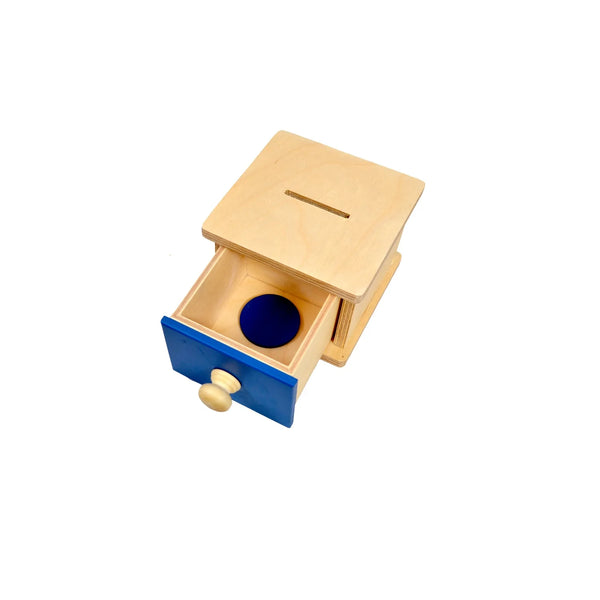
For infants, sensory exploration is about discovering their own bodies and the immediate environment. Offer tactile baskets filled with natural, safe materials like silk scarves, wooden rings, soft cotton cloths, or even fresh curry leaves (under supervision). An object permanence box encourages visual tracking and understanding that objects still exist even when hidden. Simple wooden rattles provide auditory stimulation and grasp development.
Toddler Explorers (1-3 Years)
This age group thrives on active manipulation and practical life skills. Sensory bins filled with dry rice, wheat, or even coloured pasta offer endless opportunities for scooping, pouring, and exploring textures. Water play with sponges and small containers helps develop fine motor skills and understanding of volume. Nesting dolls and stacking rings are excellent for developing visual discrimination and order. Explore our range of activity kits designed for this curious age.
Preschool Ponderers (3-5 Years)
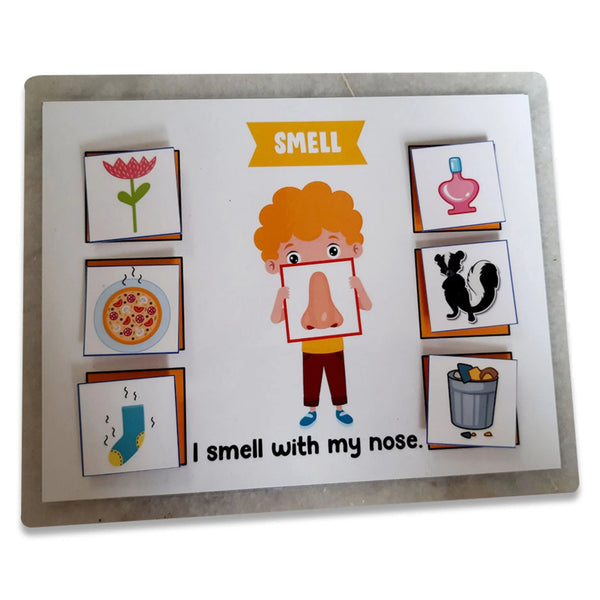
Children in this age band are ready for more refined sensory work. Introduce sound cylinders to match different sounds, or smelling bottles containing spices like cardamom, cinnamon, or star anise for olfactory discrimination. Sandpaper letters connect tactile input with pre-writing skills, while pouring activities with different sized pitchers and bowls enhance coordination. Practical life activities like sweeping with a child-sized broom, setting the table, or even helping sort laundry provide purposeful sensory input that builds independence.
Creating a Rich Sensory Environment for Early Childhood Homeschooling India
Establishing a thoughtful sensory environment doesn't require a large space or expensive resources. Even in a joint family home in Bengaluru, a dedicated corner can become your child's world of discovery. Focus on creating a space that is tidy, accessible, and filled with natural materials.
Just as 'Umang Vatika' at Safdarjung Hospital provides a safe and free play space for children with disabilities, your home sensory area should be inclusive and allow for unhindered exploration. Utilise natural elements common in Indian homes: wooden toys, cotton fabrics, clay pots, and baskets. Incorporate cultural sensory experiences by exploring different textures of traditional Indian fabrics, listening to classical Indian music, or using aromatic spices in smelling bottles.
Integrating Sensory Play with Other Subjects
Sensory play isn't isolated; it's a gateway to other areas of learning. When a child describes the texture of sand (gritty, rough) or the smell of a rose (sweet, soft), they are expanding their language skills. Sorting beads by colour and size introduces early mathematical concepts. Exploring the ingredients used in preparing a festive dish during Diwali can connect sensory experiences with cultural knowledge.
Overcoming Common Homeschooling Challenges with Sensory Play
Montessori sensory play offers powerful solutions to common homeschooling hurdles. For parents concerned about screen time, engaging sensory activities provide a compelling, hands-on alternative that holds a child's attention more effectively than passive entertainment, fostering deep concentration instead of fleeting stimulation.
In homes with diverse age groups, sensory materials can be adapted. While a toddler explores pouring rice, an older preschooler might use the same rice for a 'find the letter' game. For children with unique sensory processing needs, an area highlighted by initiatives like World Autism Awareness Day, tailored sensory activities can be incredibly beneficial. By observing which senses a child seeks or avoids, parents can gently introduce materials that provide calming or stimulating input, helping them regulate and engage more effectively.
Starting your Montessori sensory play homeschooling journey doesn't require a complete overhaul; begin with small, intentional steps. Tonight, simply invite your child to describe the texture of their dinner – the crunch of a dosa, the softness of dal. Or, gather a few items from around the house – a cotton ball, a smooth stone, a rough piece of jute – and create a 'texture tray' for exploration. The journey of sensory discovery is rich, rewarding, and right at your fingertips.