Child Health Decline: Why Indian Kids Need Outdoor Play
Research definitively shows a worrying child health decline outdoor play India has exacerbated, primarily driven by a generational shift where children now spend significantly less time outdoors than their parents did, leading to increased rates of obesity, poor vision, and mental health challenges. This critical shift underscores the urgent need for Indian children to re-engage with nature and active movement to counteract these modern health issues and ensure holistic development. Experts agree that bridging this gap is paramount for the well-being of the next generation.
The generational play gap is the marked reduction in time and opportunities children today have for unstructured outdoor play compared to previous generations. This matters because consistent outdoor activity is fundamental for healthy physical, cognitive, and emotional development. Indian parents can actively bridge this gap by prioritizing and facilitating regular outdoor experiences for their children.
The Alarming Generational Play Gap in India
Today's Indian parents often recall childhoods filled with spirited games of gully cricket, climbing mango trees, and endless hours exploring neighborhood parks or even sprawling courtyards within joint families. These memories paint a stark contrast to the reality for many children today, who frequently spend their days within the confines of apartments, navigating packed academic schedules, and facing limited access to safe outdoor spaces. This dramatic shift highlights a significant generational play gap in India.
Studies indicate that children today spend significantly less time outdoors than their parents did at the same age, sometimes by as much as 50% or more. Urbanization, increased academic pressure from a young age, perceived safety concerns, and the allure of digital entertainment have collectively contributed to this decline. The very fabric of play has transformed, moving from spontaneous, free-form outdoor adventures to more structured, indoor, and often sedentary activities.
Direct Impact of Less Outdoor Play on Children's Health
The consequences of this reduced outdoor engagement are profound, contributing directly to a significant impact of less outdoor play on children's health across India. Child development experts agree that a lack of physical activity in natural environments hinders essential physical and sensory development. For instance, the rise in childhood obesity rates in India is directly linked to sedentary lifestyles, a stark contrast to the active childhoods of previous generations.
Beyond weight gain, insufficient outdoor play contributes to a higher prevalence of myopia (nearsightedness) due to prolonged close-up work and less exposure to natural light, which is crucial for eye development. Children also experience increased rates of Vitamin D deficiency, weakened immune systems, and a decline in fundamental gross motor skills like balancing, running, and climbing. The recent early heatwave triggering spikes in dehydration and fatigue among children, as reported by India Today, further emphasizes the need for children to build physical resilience and proper hydration habits, often learned through active play outdoors, managed safely during peak heat.
Maria Montessori herself emphasized the critical role of movement and sensory exploration in a child's development, asserting that true learning comes through interaction with the environment. Denying children ample outdoor time effectively denies them opportunities for natural skill acquisition and robust physical health. A balanced approach means encouraging outdoor play, even during warmer months, by choosing cooler times of the day and ensuring adequate hydration.
Screen Time vs. Outdoor Play: A Health Showdown
In the modern Indian household, screens have become an undeniable presence, often serving as both entertainment and educational tools. However, the unchecked rise of screen time directly correlates with the decline in outdoor play, presenting a critical health showdown. While screens offer instant gratification, they primarily engage children in a passive, two-dimensional world, in stark contrast to the dynamic, multi-sensory engagement of outdoor play.
This imbalance leads to concerning health trends, including increased rates of anxiety, poor sleep patterns, and reduced attention spans among children. The Times of India recently highlighted '5 reasons why outdoor play time is as important for children as study or meal time,' underscoring its non-negotiable role in holistic development. Outdoor play, conversely, offers varied sensory input, boosts creativity, fosters problem-solving skills, and naturally regulates energy levels, proving far more beneficial for long-term well-being than extended digital engagement.
Montessori Outdoor Activities for Holistic Health in India
Incorporating Montessori outdoor activities for health into your child's routine doesn't require elaborate setups; it requires a shift in perspective towards purposeful, child-led engagement with nature. Maria Montessori believed in the "prepared environment," which extends far beyond the classroom walls to include the outdoors. Simple activities like a nature walk in a local park, where children collect leaves, pebbles, or flowers, transform into lessons in observation and classification.
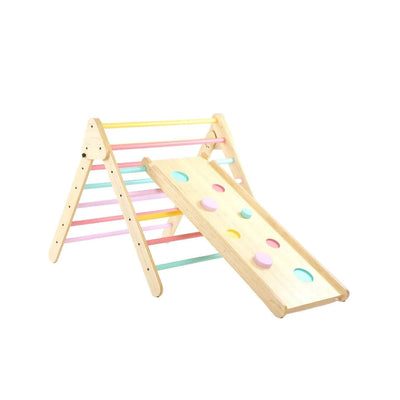
Encourage gardening – even a small potted plant on a balcony provides opportunities for care, observation, and understanding life cycles. For toddlers, simple pouring and transferring activities using water and natural materials outdoors offer fantastic sensory and fine motor skill development. Our range of Montessori materials can seamlessly transition to outdoor settings, encouraging exploration and hands-on learning in natural light and fresh air. Remember, the goal is freedom of movement within limits, allowing children to discover, climb (safely), run, and jump, building their physical prowess and confidence.
Even initiatives like Glucon-D bringing ice golas to parks to reconnect kids with outdoor play, as a case study highlighted by Social Samosa, demonstrate the value of making outdoor experiences appealing and enjoyable. Such efforts remind us that making outdoor play accessible and fun is key to encouraging consistent engagement.
Prioritising Outdoor Play: Bridging the Generational Gap for Indian Families
Bridging the generational play gap requires intentional effort from parents and the community. Designate specific 'unstructured play time' each day, free from screens and rigid schedules, allowing children the freedom to explore. If outdoor spaces are limited, utilize nearby parks, community grounds, or even consider creative play zones on balconies or terraces with natural elements.
Involve grandparents in fostering this connection, as they often carry a wealth of knowledge about traditional outdoor games and stories. Their enthusiasm can be a powerful motivator. Role-modeling is crucial: if parents spend time outdoors, children are more likely to follow. SkilloToys advocates for creating environments where children feel safe, encouraged, and excited to engage with the natural world, fostering healthy habits that last a lifetime.
- Research definitively links reduced outdoor play to a concerning child health decline in India across multiple metrics.
- The generational play gap reflects a significant reduction in outdoor time for children today compared to their parents' era.
- Lack of outdoor play contributes to rising rates of childhood obesity, myopia, Vitamin D deficiency, and diminished gross motor skills in India.
- Unchecked screen time is a primary driver in displacing crucial outdoor play, impacting children's physical and mental well-being.
- Montessori principles emphasize outdoor exploration and movement as vital for holistic child development and sensory integration.
- Parents in India must actively prioritize unstructured outdoor play to build resilience and counteract modern health challenges in their children.
Why is outdoor play so crucial for child health in India now?
Outdoor play is crucial because it directly counters the worrying child health decline observed in India, offering essential physical activity, sensory stimulation, and exposure to natural light. It builds resilience against common modern ailments like obesity, poor vision, and Vitamin D deficiency, which are exacerbated by sedentary indoor lifestyles.
What are the biggest health risks for Indian children due to less outdoor play?
The biggest health risks include rising rates of childhood obesity, increased prevalence of myopia (nearsightedness), widespread Vitamin D deficiency, and compromised immune systems. Children also face delayed development of gross motor skills and potential impacts on mental health, such as increased anxiety and reduced attention spans.
How much outdoor play do Indian children need daily?
Child development experts recommend that children engage in at least 60 minutes of moderate-to-vigorous physical activity daily, much of which should ideally occur outdoors. For young children, several shorter bursts of unstructured outdoor play throughout the day are highly beneficial, fostering natural exploration and movement.
How can parents encourage outdoor play despite safety concerns or screen time?
Parents can encourage outdoor play by designating specific screen-free outdoor time, exploring local parks or community spaces, and involving children in simple outdoor chores like gardening. Creating a safe, engaging outdoor environment, even on a balcony, and role-modelling active lifestyles are also effective strategies to overcome these challenges.
What are some simple Montessori-inspired outdoor activities for young children?
Simple Montessori-inspired outdoor activities include nature walks to collect and observe natural items, gardening (planting seeds, watering plants), water play involving pouring and transferring, and exploring textures like mud or sand. These activities promote sensory development, fine and gross motor skills, and a deeper connection with the natural world.