Autism Sensory Challenges Montessori 0-5: An Indian Guide
Navigating autism sensory challenges montessori principles offers Indian parents a structured, child-centric approach for children aged 0-5 years. Research shows a thoughtfully prepared environment and specific sensorial activities can significantly help young children with Autism Spectrum Disorder (ASD) regulate their sensory experiences, fostering calm and concentration. This guide provides practical strategies to understand and address sensory over-responsivity, under-responsivity, and seeking behaviours, perfectly timed as we approach World Autism Awareness Day 2026.
As a parent in India, seeing your little one struggle with everyday sounds or textures can be concerning. You might wonder how best to support their unique needs in a world that often feels overwhelming. The Montessori approach, with its emphasis on observation, prepared environments, and purposeful activity, offers profound insights and practical tools for families facing these challenges.
Understanding Sensory Processing in Autism (0-5 Years)
Sensory processing in autism refers to how children with ASD uniquely interpret and respond to sensory information—from touch and sound to movement. This matters because these differences profoundly impact a child's ability to learn and engage. Indian parents can observe these responses to tailor their child's environment and activities.
Children with sensory processing disorder autism spectrum disorder (ASD) often experience the world differently. Some may be:
- Over-responsive (Hypersensitive): Easily overwhelmed by common stimuli like a loud pressure cooker whistle, the texture of a new kurta, or bright Diwali lights.
- Under-responsive (Hyposensitive): Seemingly unaware of certain sensations, requiring intense input to register something, like not noticing a scraped knee or needing very strong flavours.
- Sensory Seeking: Actively craving specific sensory input, such as constantly touching everything, spinning in circles, or making repetitive sounds.
Recognising these patterns in your child, perhaps your 2-year-old Arjun in Bengaluru or your 4-year-old Anya in Delhi, is the crucial first step. Their behaviours are not willful but are their brain's way of trying to make sense of the world.
The Montessori "Prepared Environment" as a Sensory Sanctuary
Maria Montessori's concept of the "prepared environment" is profoundly beneficial for children with ASD. It's not just about neatness; it's about creating a predictable sensory landscape. A cluttered, chaotic space can be a barrage of overwhelming stimuli for a child with ASD, making focus impossible. By contrast, a well-ordered Montessori environment reduces anxiety and allows the child to explore with purpose.
Imagine a quiet corner in your living room, free from electronic distractions, with carefully selected Montessori educational toys. This space offers a consistent, calm haven. Studies indicate that predictable routines and environments significantly improve a child with ASD's ability to regulate emotions and engage in learning. Just as initiatives like 'Umang Vatika' at Safdarjung Hospital provide dedicated safe play zones for children with disabilities, Indian parents can replicate this thoughtful approach at home.
Montessori Principles for Over-Responsivity (Hypersensitivity)
For children who are easily overwhelmed, the goal is to introduce sensory input in a controlled, gentle manner. This helps them gradually habituate and feel safer in their environment.
- Visual Calm: Minimise bright, flashing lights. Opt for natural light or soft, consistent illumination. Reduce visual clutter by having toys in baskets or on shelves, not strewn about.
- Auditory Comfort: Provide a quiet space. Use noise-cancelling headphones if needed during loud family gatherings or festivals. Introduce soft, rhythmic sounds, like traditional lullabies (loris) sung by Dadi, which offer predictable auditory input.
- Tactile Exploration: Offer a range of natural, soft textures. Materials like silk scarves, smooth wooden blocks, or cotton fabrics allow gentle exploration. Practical life activities like scooping dry lentils or pouring water between small pitchers offer focused, controlled tactile engagement without being overwhelming.
Montessori Principles for Under-Responsivity (Hyposensitivity)
For children who need stronger input to register sensations, Montessori provides opportunities for purposeful, engaging experiences.
- Deep Pressure & Heavy Work: Activities that involve lifting, carrying, pushing, or squeezing can be very satisfying. Children can help carry small baskets of toys, push a child-sized trolley, or knead dough for chapati. These actions provide valuable proprioceptive input.
- Vibrant Tactile Experiences: Offer a variety of textures: rough sandpaper letters, smooth polished stones, squishy playdough, or water play with sponges. These distinct sensations help awaken tactile awareness. Montessori activity kits often include materials designed for this precise purpose.
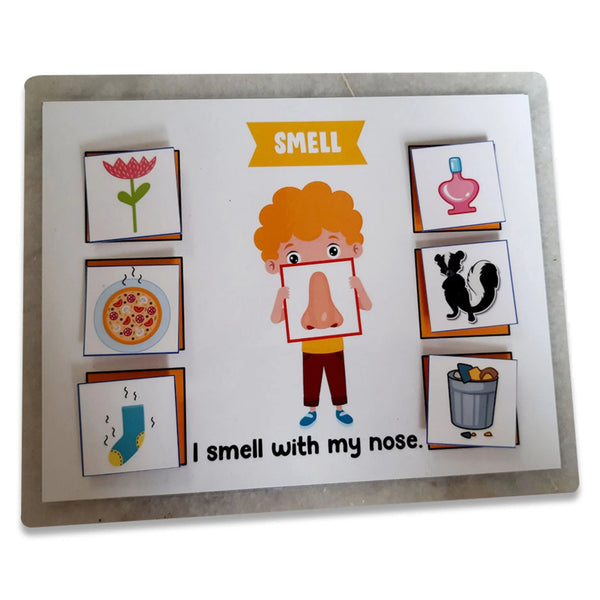
- Olfactory & Gustatory Exploration: Under careful supervision, introduce different safe scents (spices like cardamom, cinnamon) or textures in food (crunchy papad, soft paneer) to stimulate these senses in a controlled way.
Montessori Principles for Sensory Seeking Behaviors Autism
When a child constantly seeks intense sensory input, the Montessori approach channels this energy into constructive, purposeful activities, rather than trying to suppress it.
- Movement with Purpose: For children who spin or run constantly, provide activities that involve gross motor skills in a structured way. Carrying a tray, carefully walking along a line, or repeatedly climbing and descending small stairs can meet their need for movement while developing coordination and focus.
- Manipulative Materials: The Pink Tower, Broad Stair, and Cylinder Blocks are excellent montessori activities for autism that provide satisfying visual, tactile, and proprioceptive input through repetition and manipulation. Building, dismantling, and rebuilding offer intense focus and proprioceptive feedback.
- Water Play: Pouring, transferring, and scrubbing activities with water offer profound tactile and auditory input. The gentle splash and controlled movement can be deeply regulating for a sensory-seeking child.
Observation: The Cornerstone of Montessori & Indian Parenting
Child development experts agree that careful observation is the most powerful tool for parents. Maria Montessori stressed the importance of the adult observing the child without judgment, to truly understand their needs and interests. In an Indian joint family, Dadi or Nani's keen eye can often spot subtle cues. Watch how your child reacts to different stimuli: what calms them, what overstimulates them, what they actively seek out. This understanding guides your selection of materials and adaptation of the environment.
Integrating Montessori into the Indian Home
Bringing these principles into a typical Indian home, perhaps a busy flat in Mumbai or a multi-generational home in Chennai, is entirely possible. It's about adaptation, not strict adherence.
- Designated "Work" Areas: Even a small mat on the floor can be a designated space for focused activity.
- Natural Materials: Embrace traditional wooden toys, clay pots, and natural fabrics.
- Managing Sensory Overload in Children with Autism During Festivities: During vibrant festivals like Holi or Ganesh Chaturthi, prepare your child for changes in routine, loud noises, and crowds. Create a "quiet corner" with familiar calming objects where they can retreat. Communicate their needs to family members, ensuring understanding and support.
Choosing Educational Toys for Autism Spectrum Disorder 0-5
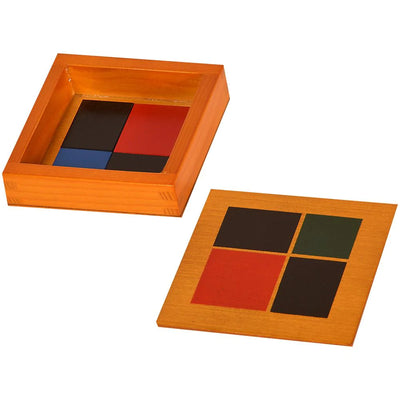
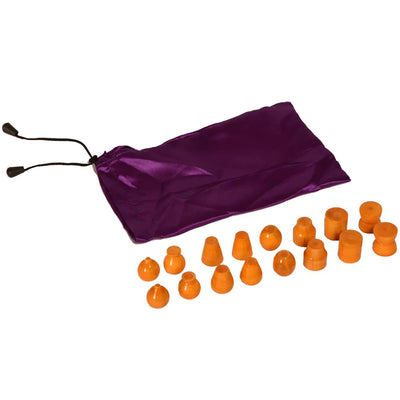
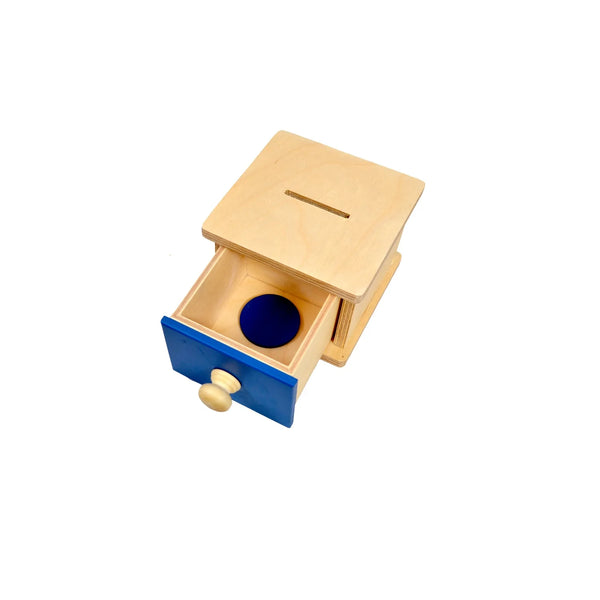
When selecting educational toys for autism spectrum disorder 0-5, prioritise those that are simple, purposeful, and engage a single sense or skill. Wooden sorting toys, bead stringing sets, shape sorters, and practical life materials are ideal. These toys invite repetition, allow for self-correction, and provide clear, unambiguous sensory feedback, helping children with ASD build confidence and concentration.
Supporting a child with autism sensory challenges is a journey of understanding, patience, and creative adaptation. By embracing Montessori principles, Indian parents can empower their children aged 0-5 to navigate their sensory world with greater calm, confidence, and joy, fostering their unique potential in every step.