Telugu Letters with Pictures: Multi-Sensory Montessori Play
For many Indian parents, teaching their child their mother tongue is a cherished goal. Montessori multi-sensory play offers an incredibly effective way to help kids learn telugu letters with pictures from an early age, typically 0-5 years. This method, deeply rooted in child development principles, engages multiple senses simultaneously, making the learning process intuitive, joyful, and lasting for young learners.
Montessori Multi-Sensory Learning is an educational approach where children use touch, sight, sound, and movement to absorb information. This matters because engaging multiple senses creates richer neural pathways in the brain, leading to deeper understanding and memory retention. Indian parents can easily integrate this method at home to foster early literacy in Telugu.
The Science Behind Sensory Learning for Early Literacy
Child development experts and research consistently show that young children learn best through active engagement of their senses. When a child sees a letter, hears its sound, and traces its shape with their finger, their brain receives information through three different channels. This multi-modal input significantly strengthens memory and understanding, particularly for abstract concepts like alphabet recognition.
Maria Montessori herself observed that children possess an absorbent mind, especially between 0 and 6 years, readily taking in information from their environment. Studies from institutions like the Yale Child Study Center indicate that early multi-sensory experiences directly contribute to stronger pre-reading skills and language development. This approach makes learning Telugu letters a natural discovery rather than rote memorization, which is crucial for children aged 18 months to 5 years.
Bringing Telugu Letters to Life: Practical Multi-Sensory Activities
Creating a stimulating environment for learning Telugu letters doesn't require elaborate setups. Simple, engaging activities can make a significant difference. Consider how 3-year-old Aarya in a Bengaluru joint family might learn: her Dadi might sing Telugu rhymes while tracing letters in sand, or her parents might use textured materials.
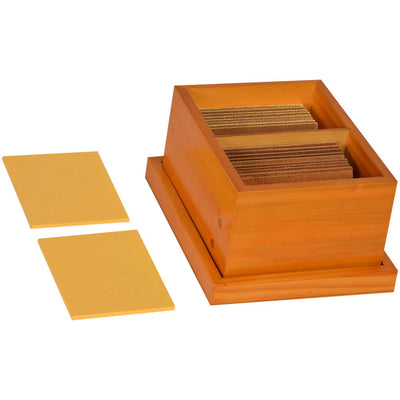
- Tactile Exploration: Introduce sandpaper letters for Telugu, allowing your child to feel the contours of each letter. If you don't have these, you can create DIY versions using cardboard and sandpaper, or simply trace letters in a tray of rice, rava, or sand. This kinesthetic memory is incredibly powerful.
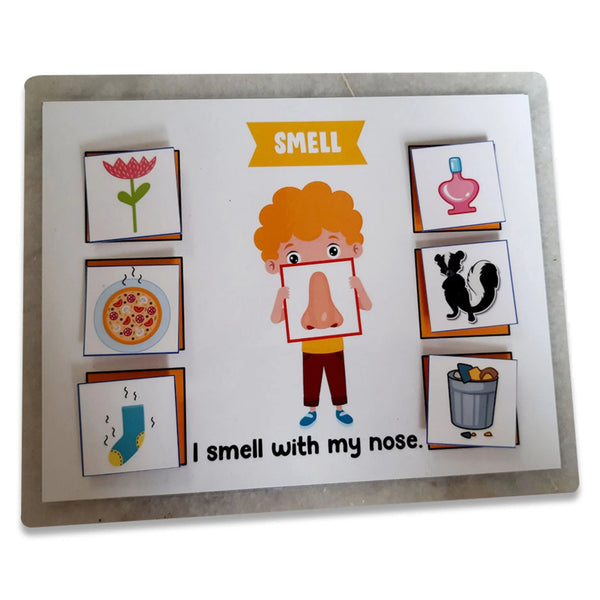
- Visual Engagement: Use colourful flashcards that pair Telugu letters with familiar pictures of objects or animals whose names start with that letter (e.g., 'అ' with 'అమ్మ' picture). Encourage your child to point out the letter and its corresponding image. You can explore a variety of activity kits that include such visual aids.
- Auditory Immersion: Sing traditional Telugu alphabet songs or rhymes. Narrate stories in Telugu, emphasizing the sounds of the letters as they appear in words. Engaging their ears helps children connect the visual symbol to its phonetic sound, a cornerstone of early literacy.
- Movement and Play: Encourage your child to form letters with their body or trace large letters in the air. This gross motor engagement helps integrate the learning physically. For instance, creating a Telugu alphabet scavenger hunt around the house, asking them to find objects starting with specific sounds.
Choosing the Right Montessori Materials for Telugu Alphabet
When selecting learning materials, look for those that are child-sized, made from natural materials, and offer a clear purpose. Montessori-inspired materials are designed to be self-correcting, allowing the child to discover their own errors and learn independently, which builds confidence. For learning the Telugu alphabet, consider:
- Wooden Tracing Boards: These provide a durable, tactile surface for children to trace letters with their fingers or a stylus, developing fine motor skills crucial for writing.
- Movable Alphabet Sets: Once children have a grasp of individual letter sounds and shapes, a movable alphabet (even if just cards with letters) allows them to construct words, fostering an understanding of how letters combine.
- Language & Literacy Materials: Look for Montessori language materials that are adaptable for regional languages. These often include cards for matching pictures to words, or objects for sound games.
The key is to offer materials that invite exploration and discovery, rather than simply instructing. This approach empowers children to take ownership of their learning journey.
Nurturing a Love for Language, Beyond the Letters
While learning telugu letters with pictures is a fantastic start, the ultimate goal is to nurture a lifelong love for language and reading. In India, where mother tongues hold immense cultural significance, integrating regional language learning through play strengthens family bonds and heritage. The simple act of a grandparent telling a folk tale in Telugu, or parents discussing their day using rich Telugu vocabulary, reinforces the language's value.
One non-obvious insight often overlooked is that the child who feels competent and engaged in their initial language experiences is far more likely to develop a robust vocabulary and strong comprehension skills later on. Forcing rote memorization can create resistance. Instead, by making Telugu letter learning a joyful, multi-sensory exploration, you're not just teaching letters; you're cultivating a positive relationship with their mother tongue. Tonight, try asking your child to describe their favourite food using a new Telugu word, encouraging them to connect words to real-world experiences.