Children's Right to Play India: Montessori Physical Growth
The Supreme Court's ongoing discussion about formalizing sports as a fundamental aspect of a child's life in India brings to light a profound truth: the children's right to play India is not merely a leisure activity, but a cornerstone of holistic development. As urban spaces shrink and academic pressures mount, this crucial dialogue reminds us why purposeful outdoor movement is non-negotiable for every growing Indian child.
The right to play is fundamental for every Indian child's holistic physical, cognitive, and emotional development, as affirmed by global child rights conventions and highlighted by recent Supreme Court discussions. Montessori outdoor toys support this right by providing open-ended, self-directed activities that build gross motor skills, coordination, and a deep connection to nature, essential for a child's overall well-being and readiness for life. Indian parents can actively champion this by integrating purposeful outdoor play into daily routines.
What is the Children's Right to Play?
The children's right to play is the recognition that every child, regardless of circumstance, deserves regular, unimpeded opportunities for free, physical, and imaginative play. This matters because play is how children learn, grow, and make sense of the world, fostering crucial physical, emotional, and social skills. Indian parents can actively champion this by advocating for and providing accessible play environments for their children.
The Supreme Court & The Fundamental Need for Movement
The recent reports from The Times of India, detailing the Supreme Court's consideration of sports as a fundamental right, underscore a growing national awareness. This isn't just about creating future athletes; it's about acknowledging that movement is intrinsic to human development from infancy. Maria Montessori herself observed that children learn through movement, absorbing their environment kinetically.
Child development experts agree that restricting physical activity can hinder not just muscle development but also cognitive functions. When a child balances on a beam or climbs a ladder, their brain is actively mapping space, calculating risk, and refining coordination. This foundational understanding is crucial for all subsequent learning, shaping the very architecture of their brain.
More Than Just Fun: The Science of Outdoor Play for Indian Children
In India, the urgency for embracing the importance of outdoor play is heightened by contemporary challenges. Articles in Healthshots and India Today frequently highlight issues like increased screen time and rising Vitamin D deficiencies among children, especially in urban settings like Bengaluru's bustling localities. The simple act of playing outdoors, under the warm Indian sun, naturally combats these modern woes.
Research indicates that children who spend more time outdoors develop stronger immune systems, experience better sleep, and exhibit reduced stress levels. A 2019 study published in the Indian Journal of Pediatrics, for instance, noted that over 70% of urban Indian children exhibit some level of Vitamin D deficiency, directly linked to reduced outdoor exposure. Encouraging activities like running, jumping, and climbing during family outings to the park, or even in apartment complexes, is vital for their holistic physical development children India.
Montessori Outdoor Play: Fostering Physical Development with Purpose
Montessori education champions self-directed activity, and this philosophy extends beautifully to outdoor play. Unlike highly structured sports or electronic gadgets, Montessori outdoor play provides open-ended opportunities for a child to move their body in response to their inner drive. This is where gross motor skill development truly flourishes.
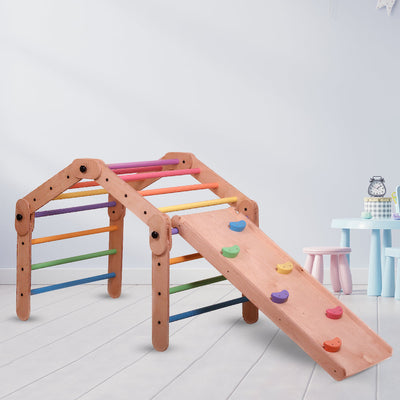
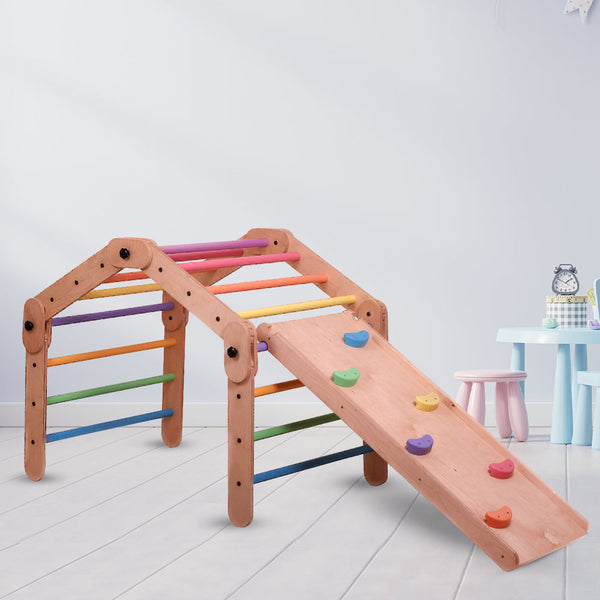
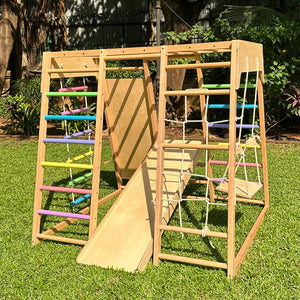
Consider a child, perhaps 18-24 months old, interacting with a simple outdoor climber. They aren't being told how to climb; they are experimenting with their own body, figuring out weight distribution, hand-foot coordination, and the sensation of height. The satisfying effort of pulling themselves up, the careful descent, and the joyful triumph are all self-regulated learning experiences. This self-discovery builds not just physical strength but also confidence and problem-solving skills, making it a powerful form of Montessori educational toys physical development.
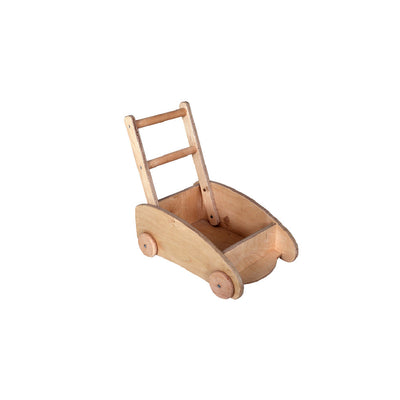
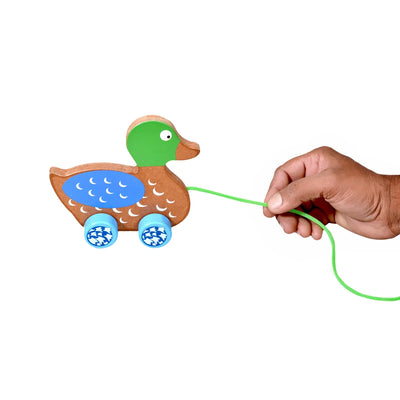
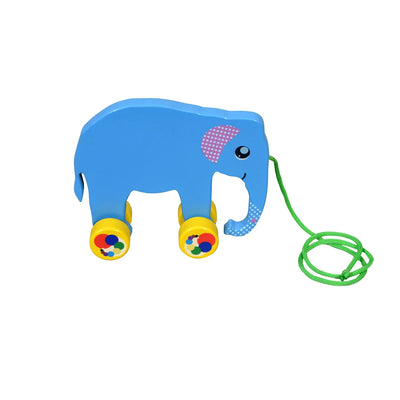
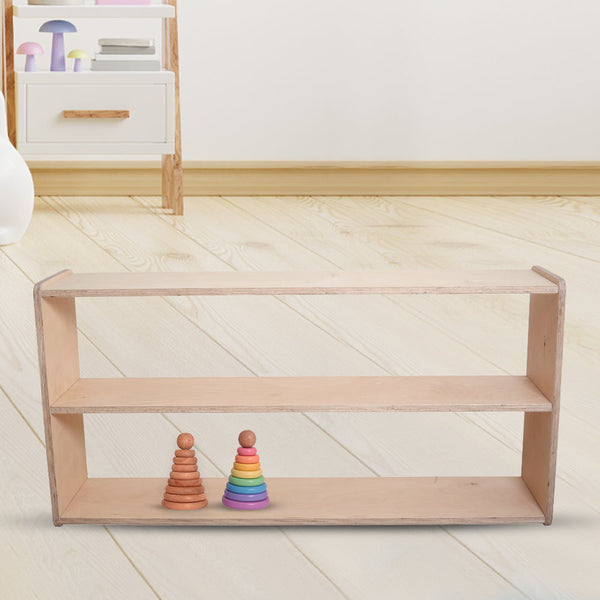
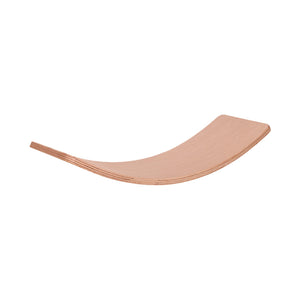
At SkilloToys, our range of Montessori-inspired outdoor equipment, from balancing beams to low-level climbing structures, is designed to tap into this innate desire for movement. These aren't just toys; they are tools for exploration, inviting children to engage their entire body in meaningful ways. They provide varied tactile experiences, from the smooth wood to the rough ground, enriching sensory development alongside physical growth.
Empowering Parents: Championing the Right to Play at Home
As Indian parents, especially those navigating the dual demands of career and family in a joint family setting or a compact urban flat, integrating robust outdoor play can seem challenging. However, championing the children's right to play India starts with conscious choices at home. This means valuing unstructured playtime as much as academic tutoring.
Start small: dedicate 30-60 minutes daily for outdoor time, even if it's just a walk around the block with your toddler Aarya in Bengaluru, encouraging her to stomp in puddles or pick up leaves. Involve grandparents; their stories and traditional games often involve movement and connection to nature. For older children, rather than enrolling them in multiple structured classes, allow them free time to cycle, run, or simply explore their surroundings.
Prioritizing play sends a clear message to our children: their physical well-being, their connection to the natural world, and their right to joyful, active exploration are deeply valued. It's an investment in their holistic health, resilience, and lifelong love for movement, complementing the academic rigour so common in our society. Let's make sure our children don't just learn, but also thrive through the power of play.