Vitamin D Deficiency in Indian Kids: Outdoor Play Solution
A silent health crisis is emerging across India, particularly for children: a rising prevalence of vitamin d deficiency children india. Recent reports, like the alarming 'More screens, less sunshine' article from India Today, highlight a critical link between dwindling outdoor play and this widespread nutrient deficit. But there's a powerful, natural solution rooted in the Montessori philosophy: embracing the great outdoors.
Outdoor play isn't just about fun; it's a vital developmental necessity. For Aarav, a 4-year-old in Bengaluru's bustling Marathahalli, his daily half-hour in the society park isn't merely recreation – it's his primary source of the sunshine vitamin, keeping his bones strong and his immunity robust. Understanding this connection empowers Indian parents to proactively safeguard their children's health amidst the demands of modern life.
What is Vitamin D Deficiency?
Vitamin D deficiency is a condition where the body lacks adequate Vitamin D, a crucial fat-soluble vitamin. It's essential for calcium absorption, bone growth, and a strong immune system. This deficiency is particularly concerning in India, where despite abundant sunlight, many children are not getting sufficient exposure, impacting their long-term health.
The Screen-Time Shadow: Why Indian Kids are Missing the Sun
The image of children engrossed in screens, whether mobile phones or tablets, is a common sight in Indian homes, from joint families in traditional towns to nuclear units in metro apartments. This increasing digital engagement comes at a cost. Healthshots recently asked, "What happens when a generation of kids stops playing outside?" The answer, in part, is a surge in screens vitamin d deficiency.
Research shows a direct correlation between increased indoor time and lower Vitamin D levels. A study published by the Indian Academy of Pediatrics highlighted that a significant percentage of urban Indian children, even those living in sunny climates, present with suboptimal Vitamin D levels. This is often due to limited outdoor access, parental concerns about pollution or safety, and the pervasive pull of digital entertainment.
Parents, often under immense pressure to ensure academic excellence, inadvertently swap playtime for study time or screen time. As The Times of India recently covered, experts are discussing ways to "bring children back to outdoor games." This shift towards indoor, sedentary lifestyles robs children of the natural mechanism their bodies use to produce Vitamin D.
Montessori in the Sunshine: Nurturing Health Through Outdoor Play
Maria Montessori firmly believed that children thrive when connected to nature, learning through sensory experiences and movement in their environment. This philosophy offers a powerful antidote to vitamin d deficiency children india. When children engage in outdoor play vitamin d production becomes a natural, joyful process, not a prescribed task.
Studies indicate that just 10-15 minutes of direct sun exposure on exposed skin, three times a week, can significantly improve Vitamin D levels in children. The unstructured freedom of outdoor play encourages running, climbing, jumping, and exploring – activities that keep children moving under the open sky. This active engagement under the sun is far more effective and enjoyable than forced "sunbathing."
The World Health Organization (WHO) emphasizes the importance of physical activity for child development, noting its benefits for bone health, cardiovascular fitness, and mental well-being. Outdoor play integrates these aspects seamlessly, ensuring children not only get their daily dose of sunshine but also develop essential gross motor skills, coordination, and resilience.
Beyond Vitamin D: Holistic Benefits of Sun Exposure for Kids' Health
Sun exposure for kids health extends far beyond just Vitamin D production. Regular outdoor time helps regulate a child's circadian rhythm, leading to better sleep patterns. Exposure to natural light improves visual development and can even reduce the risk of myopia, another growing concern among Indian children.
Furthermore, the sensory richness of the outdoors – the feel of mud, the sound of birds, the scent of rain – stimulates cognitive development and reduces stress. Children like 3-year-old Priya, whose Dadi takes her to the neighbourhood garden every evening, not only absorb sunlight but also learn about plants, insects, and develop social skills by interacting with other children. This holistic engagement is a cornerstone of Montessori education, proving that playtime is truly learning time.
Montessori Outdoor Toys: Tools for Active, Sunny Learning
Incorporating montessori outdoor toys benefits children by encouraging open-ended, child-led play that keeps them active and exposed to sunlight. Unlike electronic gadgets that keep children stationary indoors, these materials draw them out into nature.
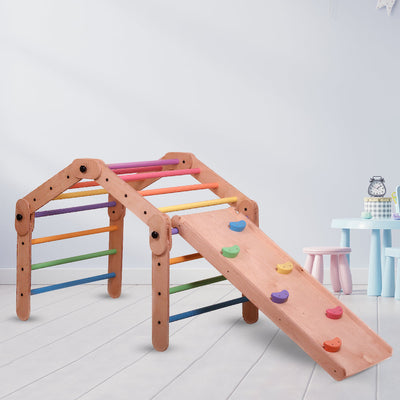
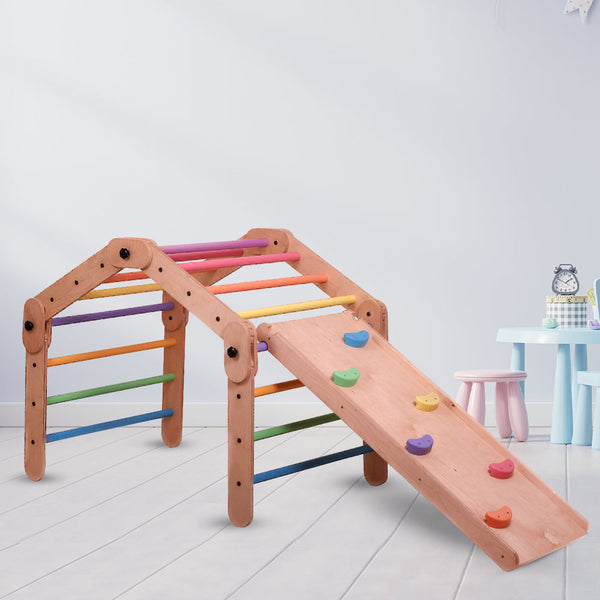
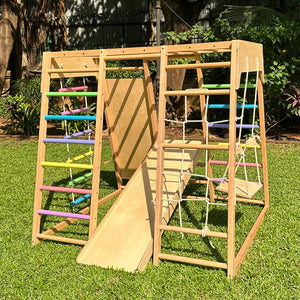
Think about a child balancing on a balance beam or scaling a small climbing arch. These activities not only refine gross motor skills and spatial awareness but also ensure sustained periods of active play outdoors. Even simple, open-ended materials like large wooden blocks can become forts, houses, or bridges, stimulating imagination and ensuring prolonged, joyful sun exposure.
SkilloToys offers a range of gross motor skill toys designed to encourage this kind of robust, physical outdoor engagement. These materials are built to inspire movement, problem-solving, and sensory exploration, naturally aligning with the need for children to spend more time under the Indian sun.
Practical Steps for Indian Parents to Embrace Outdoor Play
Addressing vitamin d deficiency children india requires intentional effort from parents. Here are actionable steps you can take:
- Schedule "Green Time": Just as you schedule tuitions, block out 30-60 minutes daily for outdoor play. Even in urban apartments, balconies can be transformed with a small play mat and some natural elements.
- Involve Grandparents: Dadi and Nani often have fond memories of their own outdoor childhoods. Encourage them to share traditional games and take children to parks.
- Explore Local Parks: Bengaluru, despite its urban sprawl, has many lovely parks. Make weekend park visits a family ritual. Explore what's available in your locality.
- Invest in Active Toys: Choose toys that encourage movement, like tricycles, balls, skipping ropes, or Montessori-inspired outdoor climbing equipment.
- Lead by Example: Step outside with your child. Even a short walk or playing catch together can inspire them to love the outdoors.
- Balance Sun Exposure with Safety: While sun is vital, ensure children are protected from harsh midday sun. Use hats and light clothing, and ensure adequate hydration.
By intentionally prioritizing outdoor play, Indian parents can effectively combat vitamin d deficiency children india and foster healthier, happier, and more resilient children. Let's trade a little screen time for a lot more sunshine and watch our children flourish, just as Maria Montessori envisioned.