Sports a Fundamental Right for Children: Montessori Outdoor Play
The recent Supreme Court hearing in India, affirming sports a fundamental right for children, underscores the critical importance of active play for every young Indian. This landmark discussion validates what Montessori education has championed for decades: that physical activity is not merely leisure, but an essential component of holistic child development, crucial for brain growth, emotional regulation, and social skills. For Indian parents grappling with screen time and academic pressures, this legal recognition offers powerful backing to prioritize outdoor and gross motor play.
Research consistently shows that children need at least 60 minutes of moderate-to-vigorous physical activity daily for optimal health and development, a recommendation echoed by the Indian Academy of Pediatrics. Yet, many urban Indian children, like 4-year-old Rohan in Bengaluru, spend more time indoors, missing out on crucial developmental experiences. The Supreme Court's focus brings this issue to the forefront, reminding us that physical activity is as vital as literacy.
What is the Right to Play in India?
The Right to Play in India refers to the legal recognition that every child is entitled to engage in play, sports, and recreational activities. This is crucial because active play fosters physical, cognitive, social, and emotional development. Indian parents can advocate for this right by prioritizing unstructured outdoor time and providing enriching play environments.
India's Supreme Court Upholds the Right to Active Play
The ongoing Supreme Court hearing regarding the fundamental right of children to sports and play marks a significant moment for India. It sends a clear message that physical activity is not a luxury but a non-negotiable aspect of childhood, as highlighted by reports in The New Indian Express and discussions around the 'More screens, less sunshine' trend mentioned by India Today. This legal perspective compels us to reconsider how we nurture our children, ensuring they have ample opportunities for movement and exploration.
Child development experts agree that a lack of physical activity can impede motor skill development, increase childhood obesity rates, and even impact mental health. When children, like 7-year-old Priya, who spends hours on schoolwork and tuition, lack avenues for robust physical expression, they miss out on critical stages of self-discovery and confidence-building. The Supreme Court's deliberation on children's rights India places a constitutional lens on this developmental imperative.
Montessori Outdoor Play: Championing Active Development Kids
Maria Montessori's philosophy has always emphasized movement as integral to learning. She believed that the child's mind and body are intrinsically linked, and learning occurs through active engagement with the environment. This is where Montessori outdoor play truly shines, offering purposeful activities that support gross motor development and cognitive growth.
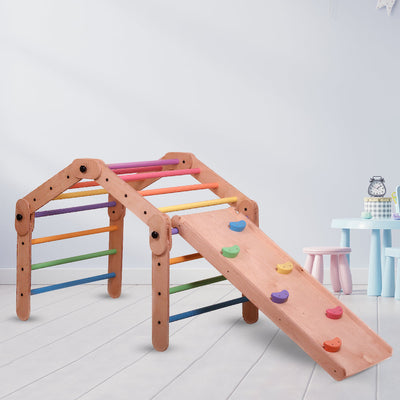
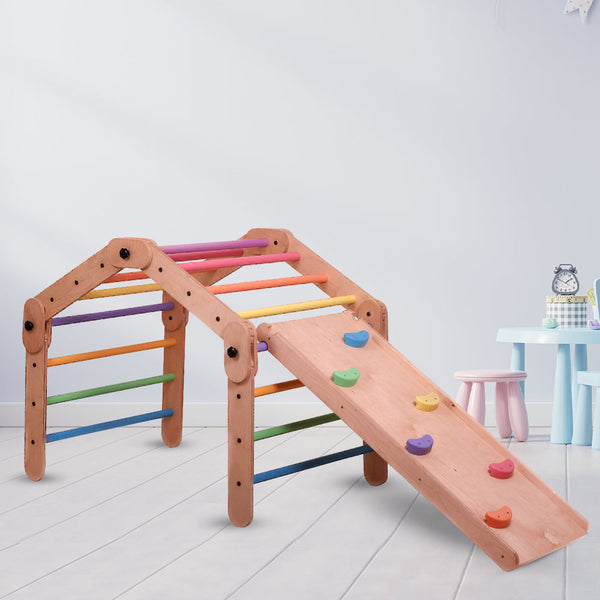
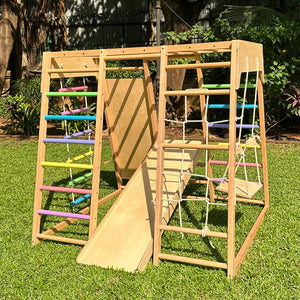
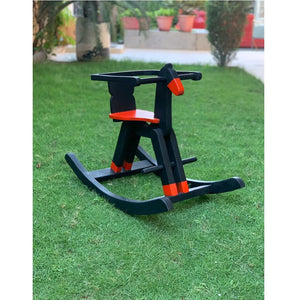
Montessori outdoor toys are not just playthings; they are tools for development. Items like a balancing board, climbing arches, or large wooden blocks for building forts encourage children to use their bodies in challenging ways, enhancing balance, coordination, strength, and spatial awareness. These experiences are fundamental for active development kids, building the neural pathways essential for all future learning, from reading to complex problem-solving. They empower a child to assess risks, push their physical limits safely, and build resilience, much like a young Lakshya navigating a small obstacle course in his Bangalore apartment complex.
Beyond Academics: Why the Importance of Play Supreme Court Decision Matters for Indian Families
In many Indian households, academic success often overshadows the importance of play. Parents, driven by aspirations for their children, sometimes inadvertently reduce time for unstructured physical activity. However, the Supreme Court's emphasis on the importance of play Supreme Court discussions confirms that active play is not a distraction from academics but a complement to it.
Studies indicate that children who engage in regular outdoor play demonstrate better concentration, improved memory, and enhanced creativity – all qualities that contribute to academic excellence. Grandparents in joint families, with their memories of traditional games like kho-kho and gulli-danda, often instinctively understand this need. Integrating Montessori principles means providing purposeful play that respects a child's innate drive to move and learn, allowing them to channel their energy constructively and reduce stress from school pressure.
Bringing Active Play Home: Practical Steps for Indian Parents
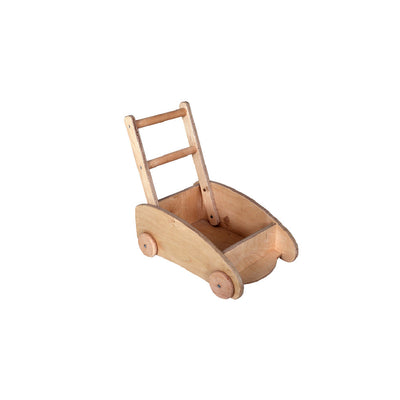
Even with urban constraints, ensuring your child exercises their fundamental right to active play is achievable. Start by carving out dedicated 'green time' each day, even if it's just a walk to the local park or some active play on a balcony. For 18-24 month olds, a simple push cart or a soft play mat can encourage crawling and walking, while older children (3-6 years) benefit from small climbing structures or balance beams that fit in compact spaces.
Focus on creating an environment that invites movement. Instead of screen time, offer alternatives that encourage physical engagement. SkilloToys offers a range of high-quality, durable Montessori educational toys that are perfect for encouraging gross motor skills and outdoor exploration. By prioritizing active play, you're not just providing fun; you're actively upholding your child's fundamental right to develop holistically, building a strong foundation for their future, both physically and mentally. This evening, encourage your child to describe their outdoor adventures, reinforcing the value you place on their physical explorations.