Climate Change Outdoor Play India: Adapting for Children
Adapting outdoor play for children in India is crucial as climate change outdoor play India brings increasingly extreme weather patterns, demanding innovative approaches to ensure physical activity and holistic development. Research shows that climate change significantly alters traditional outdoor opportunities, necessitating creative solutions for safe and engaging play. Parents in India must re-evaluate play routines and spaces to protect children's well-being.
Outdoor play is an irreplaceable part of childhood, fostering everything from physical strength and coordination to creativity and social skills. However, as noted by Mongabay India's recent report, 'Hopscotch to heat watch: How climate change is impacting summer play,' traditional 'summer play' is no longer viable for many Indian children. This shift impacts not just physical health but also cognitive development and emotional resilience, making adaptation a parental imperative.
The Impact of Climate Change on Children's Play in India
Climate change is fundamentally altering the landscape of childhood play across India. We are witnessing more frequent and intense heatwaves, prolonged monsoon seasons, and unpredictable weather events that directly limit children's access to safe outdoor spaces. This shift forces many children indoors, contributing to rising concerns like Vitamin D deficiency, as highlighted by India Today, and an alarming increase in myopia among Indian children, as reported by Healthcare Radius.
Child development experts agree that consistent outdoor interaction is vital for healthy growth, yet the changing climate creates a dilemma for parents. The joy of unstructured play in local parks or open fields is being replaced by structured indoor activities or, worse, increased screen time. This long-term trend poses significant challenges to physical development and mental well-being for an entire generation.
Summer Play Climate Change India: Navigating Heatwaves
The intensifying heatwaves across India make traditional summer play incredibly challenging and often unsafe. Children's bodies are more susceptible to heat stress, making midday outdoor activities risky. This means that cherished memories of endless summer afternoons playing gully cricket or hide-and-seek are becoming increasingly rare for urban and rural Indian children.
Parents are actively seeking ways to ensure their children remain active while staying safe from extreme heat. This involves adjusting playtimes to early mornings or late evenings and seeking shaded, cooler environments. It's about preserving the essence of outdoor exploration within the new climatic realities.
Adapting outdoor play for a changing climate involves modifying activities, schedules, and environments to ensure children can safely engage in physical development despite extreme weather. This matters because consistent outdoor interaction is vital for physical health, cognitive growth, and emotional well-being. Indian parents can implement flexible routines and utilise adaptable play spaces to maintain this essential element of childhood.
Adapting Outdoor Play for Changing Climate Realities
Adapting outdoor play to India's changing climate requires creativity and conscious planning from parents, grandparents, and educators. This means shifting focus from merely 'being outside' to 'engaging safely and effectively with nature's elements, whatever they may be.' The goal is to provide rich, stimulating experiences that foster gross motor skills and a connection to the environment, even if it looks different from previous generations.
Consider developing shaded play zones in gardens or community spaces, or exploring indoor alternatives that simulate outdoor activities. This adaptability ensures children do not miss out on critical physical development, even when traditional outdoor play is limited. It's about resilience, not just restriction.
Safe Outdoor Activities Extreme Weather Requires
When the weather turns extreme, safe outdoor activities are paramount. During peak summer, water play in a splash pool or under a sprinkler in a shaded area can provide cooling relief and sensory stimulation. Early morning nature walks before the sun gets intense, or exploring indoor botanical gardens, offer opportunities for connection with nature without direct exposure to harsh conditions.
For monsoon seasons, covered verandas or balconies can become vibrant play areas for activities like cloud-watching or observing raindrops. Even indoor spaces can be transformed with obstacle courses using cushions and tunnels, encouraging vital physical movement and creativity when going outside isn't possible. This ensures continuous physical development regardless of the weather.
Fostering Montessori Outdoor Resilience in Indian Children
The Montessori philosophy, championed by Maria Montessori, deeply values a child's interaction with their environment. In the context of Montessori outdoor resilience, this means equipping children to observe, adapt, and respond thoughtfully to their changing surroundings. It's about fostering independence and problem-solving skills that allow children to engage with nature safely and creatively, even amidst climate challenges.
This approach involves providing children with open-ended materials and guiding them to find joy and learning in various conditions. Instead of cancelling outdoor time, we adapt it. For instance, a child (18-24 months) might learn about wind by observing leaves or about rain by collecting water, rather than being confined indoors. This builds a profound, adaptable connection to the natural world.
Integrating Adaptable Play and Learning at Home
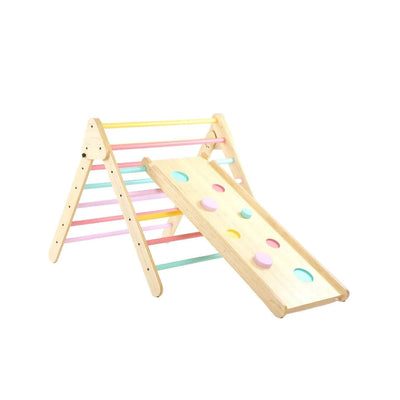
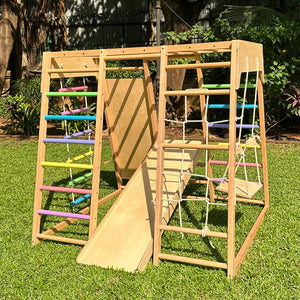
Indian homes, especially in joint family setups, offer unique opportunities for fostering resilience. Grandparents often have a wealth of traditional indoor games that promote physical activity and cognitive engagement. Creating designated indoor 'movement zones' with items like a balance board or climbing triangle ensures gross motor development continues irrespective of outdoor conditions.
During festivals like Diwali, when outdoor air quality can be a concern, family-centric indoor games and crafts can still promote physical interaction and creativity. SkilloToys.com offers a range of Montessori-inspired materials that support both indoor and adaptable outdoor play, encouraging problem-solving and self-directed activity.
Practical Strategies for Parents in India
Navigating the balance between essential outdoor play and climate challenges requires strategic thinking. Here are actionable tips for Indian parents:
- Time It Right: Schedule outdoor play for cooler parts of the day, typically early mornings or late evenings, avoiding peak sun exposure between 11 AM and 4 PM.
- Seek Shade and Hydrate: Utilise parks with ample tree cover, wear lightweight, breathable clothing, and ensure constant hydration with water or traditional coolers like nimbu pani.
- Embrace Adaptable Environments: Look for covered outdoor spaces, large balconies, or even create a 'nature corner' indoors with plants and natural elements for sensory exploration.
- Indoor Gross Motor Alternatives: When outdoors is impossible, transform living spaces into active zones. Think pillow forts, indoor obstacle courses, or dancing to energetic Indian music.
- Involve the Community: Partner with local schools or residential associations to develop shaded play areas or community indoor sports facilities that are climate-resilient.
These strategies empower families to continue prioritising physical activity, vital for counteracting issues like Vitamin D deficiency and the alarming rise of myopia in children.
- Climate change is significantly reducing safe outdoor play opportunities for Indian children, impacting their physical and mental health.
- Adapting outdoor play means adjusting schedules, finding shaded areas, and utilising indoor alternatives to maintain physical activity.
- Extreme heatwaves necessitate early morning or late evening playtimes and increased hydration for children's safety.
- Montessori principles foster resilience by teaching children to observe, adapt, and creatively engage with varying environmental conditions.
- Providing a mix of structured and unstructured indoor and adaptable outdoor activities is crucial for holistic child development in changing climates.
- Consistent physical activity, even indoors, is essential to combat rising concerns like Vitamin D deficiency and myopia in Indian children.
How is climate change affecting children's outdoor play in India?
Climate change is increasing extreme weather events like heatwaves and heavy monsoons, significantly reducing safe opportunities for outdoor play. This forces children indoors more often, impacting their physical activity levels and overall development.
What are safe outdoor activities for children during extreme weather in India?
Safe outdoor activities during extreme weather include early morning or late evening play to avoid peak heat, utilising shaded areas, or engaging in water-based play during hot periods. Indoor activities that simulate gross motor skills are also vital when outdoor conditions are unsafe.
How can Montessori principles help adapt outdoor play for changing climates?
Montessori principles encourage observation, adaptability, and respect for the child's natural rhythms, which translates into flexible play schedules and creating stimulating indoor environments when outdoor conditions are challenging. This approach fosters resilience and continuous engagement with physical activity.
Why is outdoor play still crucial despite climate challenges in India?
Outdoor play is crucial for developing gross motor skills, boosting immunity, enhancing cognitive functions, and improving mental well-being, including reducing the risk of myopia. Despite climate challenges, consistent exposure to nature and physical activity remains indispensable for holistic child development.
What is 'Montessori outdoor resilience' in the context of climate change?
Montessori outdoor resilience refers to equipping children with the physical, mental, and emotional fortitude to adapt their play and learning environments in response to environmental changes. It involves fostering independence and problem-solving skills to navigate varied conditions, ensuring continued engagement with their surroundings.