Climate Change Outdoor Play India: Adapting Kids' Games
Climate change is significantly reshaping outdoor play in India by altering weather patterns, increasing extreme heat days, and reducing safe opportunities for traditional outdoor games. This matters because it directly impacts children's physical activity, cognitive development, and connection to nature. Indian parents can proactively adapt by creating safe, engaging play environments, embracing new outdoor routines, and integrating Montessori principles for holistic development.
Outdoor play, historically a cornerstone of Indian childhoods, is facing unprecedented challenges. From the 'hopscotch to heat watch' phenomenon to early heatwaves triggering spikes in dehydration among children, the very fabric of summer fun is changing. This shift demands a thoughtful, long-term approach from parents, moving beyond immediate safety measures to preserving the essence of outdoor play.
The Shifting Landscape of Outdoor Play in India
Research shows that India is experiencing more frequent and intense heatwaves, directly impacting the hours children can safely spend outdoors. This rise in temperatures, coupled with unpredictable monsoon patterns, creates a critical challenge for the future of outdoor play in India. Child development experts agree that reduced outdoor time correlates with increased screen usage, contributing to rising concerns like vitamin D deficiency and childhood obesity, as highlighted by recent reports from India Today and The Times of India.
The traditional rhythm of Indian childhood, often punctuated by afternoon play sessions in courtyards or local parks, is being disrupted. Children are spending more time indoors, inadvertently limiting their opportunities for vital physical activity and sensory exploration. This shift necessitates innovative strategies to ensure children still benefit from the myriad advantages of unstructured outdoor play.
Preserving Traditional Indian Outdoor Games Amidst Climate Change
Many beloved traditional Indian outdoor games like gilli-danda, kho-kho, kabaddi, and even simple hide-and-seek, require open spaces and comfortable weather. As climate change outdoor play India becomes a pressing reality, the risk of these cultural treasures fading away increases. These games are not just about fun; they are crucial for developing social skills, physical coordination, and connecting children to their heritage, often taught by grandparents in joint families.
Parents and communities play a pivotal role in preserving outdoor play culture India. This involves consciously introducing children to these games during cooler parts of the day or year, finding shaded areas, and sharing stories of their own childhood games. By making an effort, we ensure that these invaluable traditions continue to enrich the lives of our children, fostering a sense of identity and community.
Adapting Kids' Play to a Changing Climate: Montessori Approaches
Adapting kids play to climate change India requires creativity and a commitment to children's developmental needs. The Montessori philosophy, with its emphasis on a "prepared environment" and "education for life," offers powerful insights. Maria Montessori believed in the child's innate connection to nature and the importance of movement for cognitive development.
When outdoor conditions are challenging, consider how to bring elements of nature indoors or utilize cooler times effectively. For toddlers (18-36 months), simple activities like water play, sorting natural objects (leaves, stones gathered earlier), or even indoor obstacle courses using cushions and tunnels can simulate outdoor exploration. For preschoolers (3-6 years), focus on activities that develop gross motor skills, even within a limited space.
Rethinking Outdoor Play Schedules and Spaces
Parents must adapt by scheduling outdoor play for early mornings or late evenings when temperatures are lower. Seeking out well-shaded parks, community gardens, or even creating green corners in balconies and terraces can provide vital access to nature. Studies indicate that even short periods of exposure to green spaces significantly reduce stress and improve concentration in children.
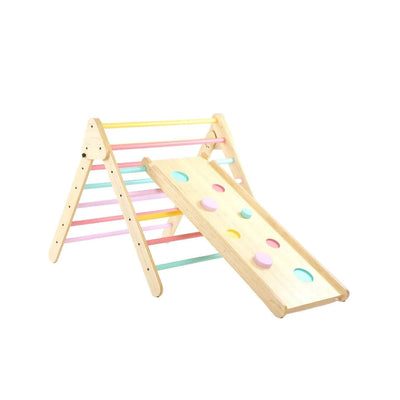
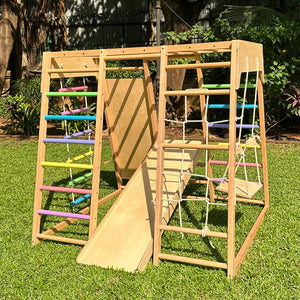
When direct outdoor access is limited, prioritize gross motor development indoors. Materials like stepping stones, balance beams, and climbing structures, or even simple items like soft balls and tunnels, allow children to develop coordination, strength, and spatial awareness. SkilloToys offers a range of gross motor skill toys designed to support physical development, even when the outdoors calls for caution.
Cultivating a Deeper Connection to Nature
Even if time outdoors is curtailed, fostering a child's connection to nature remains paramount. This can involve gardening together, observing birds from a window, or engaging in nature-themed art and craft activities. Encourage children to ask questions about the environment and discuss climate change in age-appropriate ways, empowering them to become future stewards of the planet.
Montessori outdoor play challenges encourage observation and discovery. If a full park visit isn't possible, a walk around the block to notice plants, insects, or changes in the sky can be a rich learning experience. These moments cultivate a sense of wonder and respect for the natural world, preparing children for the complexities of environmental stewardship.
Beyond the Heat: Cultivating Resilience and Playfulness
The changing climate demands not just adaptation but also resilience in how we approach play. Parents should prioritize open-ended play, where children lead and explore, fostering problem-solving skills and creativity. Whether it's building a fort indoors on a sweltering afternoon or creating a "rainy day" obstacle course, the focus remains on child-led engagement.
Ultimately, the goal is to ensure children continue to experience the joy and developmental benefits of play, regardless of environmental shifts. By embracing flexibility, integrating thoughtful Montessori practices, and cherishing traditional games, Indian families can navigate the complexities of climate change outdoor play India, securing a playful, active future for their children. Explore our full range of Montessori educational toys designed to support holistic development, indoors and out.
- Climate change is altering traditional outdoor play patterns for Indian children due to increased heat and unpredictable weather.
- Reduced outdoor time contributes to health issues like vitamin D deficiency and childhood obesity, impacting physical and cognitive development.
- Many traditional Indian outdoor games are at risk of fading without conscious effort to preserve them.
- Montessori principles, such as creating a "prepared environment," offer effective strategies for adapting play to changing climate realities.
- Parents must prioritize safe play timings, seek shaded areas, and utilize indoor gross motor activities to ensure continuous physical development.
- Fostering a deep connection to nature through observation and discussions is crucial for developing environmentally conscious children.
How does climate change directly affect outdoor play in India?
Climate change directly affects outdoor play in India by increasing the frequency and intensity of heatwaves, making it unsafe for children to play outdoors during peak hours. It also leads to unpredictable weather patterns, reducing consistent opportunities for traditional outdoor activities and potentially shifting children's play indoors.
What are some traditional Indian outdoor games at risk due to climate change?
Traditional Indian outdoor games like gilli-danda, kho-kho, kabaddi, and even simple street cricket are at risk because they require open spaces and moderate temperatures. The prolonged periods of extreme heat reduce the hours available for children to engage in these culturally significant physical activities, threatening their continuation.
How can Montessori principles help adapt children's play to new climate realities?
Montessori principles, focusing on the "prepared environment" and encouraging movement, help by advocating for safe and stimulating indoor-outdoor transitions. Parents can create engaging indoor spaces with gross motor skill toys or plan outdoor activities during cooler times, ensuring continuous physical and sensory development despite climate challenges.
What role do parents play in preserving outdoor play culture in India?
Parents play a crucial role by actively introducing traditional Indian outdoor games to their children during safe weather windows and sharing their cultural significance. They can also advocate for more green spaces, adapt play schedules, and model a love for nature, ensuring these cherished play traditions endure for future generations.
Are there specific toys or activities that can support indoor gross motor development when outdoor play is limited?
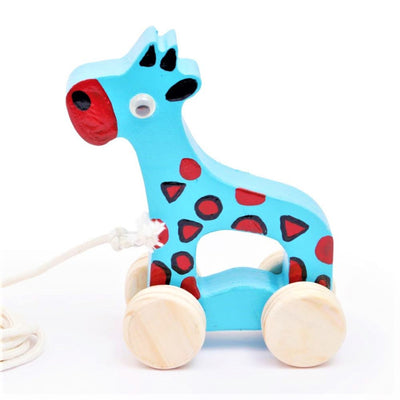
Yes, several toys and activities support indoor gross motor development. SkilloToys offers items like climbing arches, balance boards, and push-and-pull toys that encourage movement, coordination, and strength building within the home environment, ensuring children remain active even when outdoor play is restricted.