Climate Change Outdoor Play India: Montessori Adaptation
Adapting climate change outdoor play India is essential for children's holistic development. Indian parents can ensure continued physical activity and nature connection by implementing Montessori-aligned strategies such as creating shaded play zones, embracing water-based activities, and scheduling play during cooler parts of the day, directly addressing the challenges of evolving weather patterns highlighted in reports like Mongabay India's 'Hopscotch to heat watch'.
Adapting outdoor play for Indian kids in a changing climate involves proactively modifying activities and environments to safely manage new weather extremes. This matters because sustained gross motor development and nature connection are crucial for a child's holistic well-being. Indian parents can integrate flexible schedules and resourceful play setups.
Embracing Flexible Play Environments for Safe Outdoor Play Climate Change
The evolving climate in India necessitates a shift from rigid outdoor play schedules to more flexible, prepared environments. Montessori principles emphasize creating spaces that invite exploration and movement, regardless of the weather. For Indian homes, this often means utilizing existing spaces like balconies, verandas, or even shaded courtyards for active play when direct sun is too harsh. Parents can set up small, protected zones for climbing, balancing, and imaginative play.
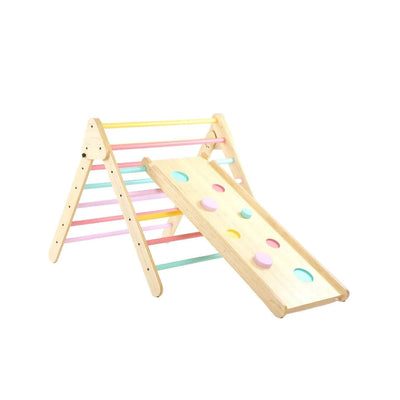
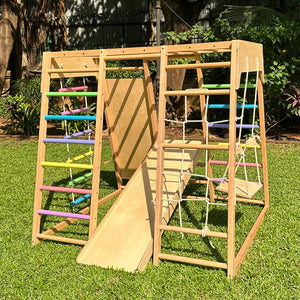
Research indicates that children who spend more time outdoors exhibit better physical health and cognitive development, with a 2017 study in Environmental Health Perspectives linking increased green space exposure to improved attention spans. Adapting this means bringing the 'outdoors' in or to protected areas. Think small indoor slides, tunnel play, or a designated 'gross motor corner' with Montessori gross motor skill toys that encourage crawling, stepping, and balancing, keeping children physically engaged.
Even small indoor plant pots can offer a taste of 'playing in dirt,' echoing sentiments from industry leaders like Sridhar Vembu who advocate for children's engagement with nature over screens. This adaptation helps maintain vital sensory experiences and practical life skills, fostering a connection to the environment within a safe, controlled space.
Creative Scheduling and Water Play for Summer Play Climate Change India
With rising temperatures and extended heatwaves, traditional mid-day outdoor play is becoming impractical and unsafe. Indian families, often guided by the wisdom of grandparents, can re-evaluate daily routines. Shifting active outdoor play to early mornings, before the sun gains intensity, or late evenings, after it sets, becomes paramount. These cooler windows allow children to run, jump, and explore without the risk of heat exhaustion.
Water play emerges as a vital, refreshing activity during India's hot summers, aligning perfectly with the need for adaptable Montessori play. Simple activities like splashing in buckets, playing with water tables, or even watering plants in a shaded garden provide immense sensory stimulation and gross motor engagement. Such activities are not just fun but crucial for cooling down and staying hydrated, making them ideal for adapting to the 'heat watch' scenarios often discussed in the news context of summer play climate change India.
During festivals that traditionally involve outdoor gatherings, careful planning for shade, hydration, and timing can ensure children participate safely and joyfully. The focus remains on allowing children the freedom of movement and exploration that is central to their physical and cognitive development, despite environmental challenges.
Fostering Resilience and Nature Connection through Montessori Amidst Children's Health Climate India
The Montessori philosophy inherently promotes a deep connection with nature and fosters resilience through practical life skills. As concerns about children's health climate India grow, especially regarding reduced physical activity and increased screen time, these principles become even more relevant. Gardening, even in small pots on a balcony, teaches children about life cycles, responsibility, and the satisfaction of nurturing something. This direct interaction with nature is vital for their well-being.
Child development experts agree that gross motor activities are foundational for physical coordination, brain development, and even academic readiness, with recommendations for at least 60 minutes of moderate-to-vigorous physical activity daily for children aged 6-17. Short, purposeful nature walks during cooler parts of the day, focusing on observation and collection of natural treasures, can replace longer, more strenuous activities, offering valuable outdoor activities changing weather without compromising safety.
The rising discourse on digital well-being, with voices like Sridhar Vembu backing stricter social media bans for kids, further emphasizes the need for engaging alternatives. Providing opportunities for physical movement and sensory engagement, such as playing with natural materials or performing practical life tasks like sweeping or folding laundry, directly counters the sedentary lifestyle linked to smartphones making children obese. These activities are foundational to a child's holistic health, offering purposeful engagement beyond screens.
Montessori Materials for Adaptable Montessori Play Hot Weather
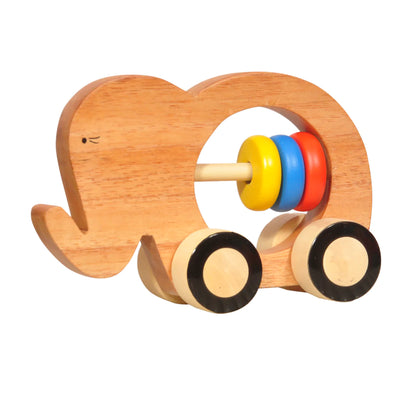
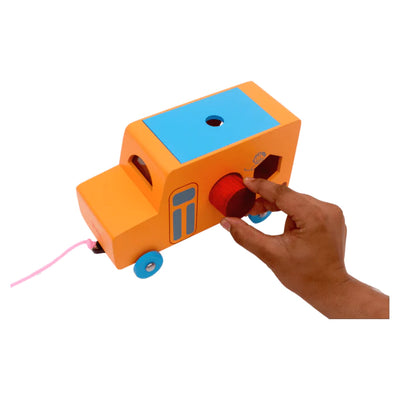
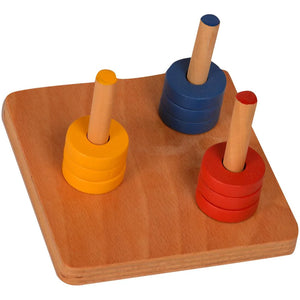
Montessori education champions the use of open-ended, self-correcting materials that facilitate independent learning and exploration. When adapting to hot weather conditions or unpredictable monsoons, these materials become invaluable. Rather than solely relying on vast outdoor spaces, parents can curate rich indoor or shaded outdoor environments using versatile Montessori materials. Building blocks, shape sorters, and stacking toys encourage problem-solving and fine motor development, even when played indoors.
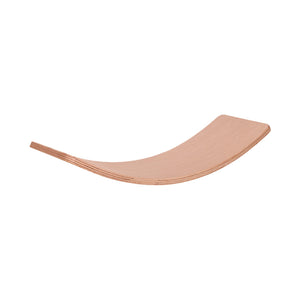
For gross motor development that aligns with Montessori play hot weather adaptations, consider materials like small balance beams or stepping stones that can be arranged on a veranda or in a living room. These items allow children to develop coordination and strength in a controlled environment. Sensory bins filled with sand, rice, or water offer tactile experiences without requiring extended exposure to harsh weather.
The focus of Maria Montessori on a 'prepared environment' extends to making it adaptable. By offering a range of engaging and purposeful Montessori learning materials, parents ensure that children continue their self-directed learning and physical development, fostering concentration and independence, regardless of external climate conditions. This continuous engagement is key to nurturing a child's natural curiosity and growth.
- Climate change necessitates Montessori-aligned adaptation for outdoor play in India to ensure children's well-being.
- Flexible environments, including shaded areas and indoor-outdoor zones, are crucial for safe play amidst changing weather patterns.
- Creative scheduling (early morning/late evening) and water play help children stay active and cool during hotter periods.
- Montessori principles foster resilience, practical life skills, and a vital connection to nature, critical for children's holistic health.
- Utilizing adaptable, open-ended Montessori materials supports continuous gross motor and cognitive development, regardless of external climate.
- Prioritizing physical activity and nature engagement directly combats the effects of increased screen time and promotes overall child well-being.
How does climate change specifically impact outdoor play for Indian children?
Climate change leads to hotter summers, unpredictable monsoons, and increased air pollution, reducing safe outdoor play hours and suitable environments. This directly impacts children's opportunities for vital physical activity and direct nature interaction.
What are Montessori-aligned solutions for safe outdoor play during hot weather in India?
Montessori solutions include adapting play to cooler times (early morning/late evening), creating shaded outdoor zones, incorporating water-based activities, and focusing on gross motor skills that can be performed in smaller, sheltered spaces. Emphasis is placed on child-led exploration within a prepared, safe environment.
How can Indian families integrate nature play when traditional outdoor time is limited?
Indian families can bring nature indoors through gardening in pots, creating nature tables with collected leaves or stones, and caring for indoor plants. Short, purposeful nature walks during optimal weather windows also maintain this essential connection.
Are there specific Montessori materials that help adapt play for changing weather conditions?
Montessori materials like building blocks, open-ended sensory bins with sand or water, and practical life tools for indoor gardening are highly adaptable. They support concentration, fine motor, and gross motor skills regardless of the outdoor climate, fostering continuous development.
Why is maintaining outdoor physical activity crucial for children's health amidst climate change challenges?
Maintaining outdoor physical activity is crucial for preventing childhood obesity, enhancing cardiovascular health, improving cognitive functions, and reducing screen dependency. Despite climate challenges, consistent movement supports holistic physical and mental well-being, fostering resilience.