Climate Change Outdoor Play India: Summer Safety Shifts
The landscape of climate change outdoor play India is significantly altering how children engage with the outdoors, necessitating urgent adaptations to traditional games and safety protocols. Rising temperatures and unpredictable weather patterns mean parents must prioritize heat safety and air quality, shifting playtimes and choosing appropriate activities to protect their children's health.
As we head into another Indian summer, news reports consistently highlight the increasing need for 'heat watch' and adjustments to our children's daily routines. This isn't just about applying more sunscreen; it's about a fundamental shift in how we approach physical activity and connection with nature for our little ones.
Understanding Climate Change Outdoor Play
Climate change outdoor play refers to the evolving practices and considerations for children's outdoor activities in response to altered climatic conditions like extreme heat, increased pollution, and modified seasons. This matters because uninterrupted physical activity is crucial for holistic child development. Indian parents can proactively create safer play environments by monitoring local conditions and adapting routines.
Child development experts agree that unrestricted outdoor play is fundamental for developing gross motor skills, fostering creativity, and building resilience in children from as young as 18-24 months. Maria Montessori herself championed the connection between children and nature, emphasizing how natural environments facilitate spontaneous learning and exploration.
Adapting Summer Play for India's Changing Climate
Indian summers are no longer just about mangoes and vacations; they now bring extended periods of intense heat. This impacts everything from a simple game of hopscotch to organized sports. Studies from the Indian Institute of Public Health indicate a significant rise in heat-related illnesses among children, underscoring the urgency for adaptation in summer play climate change strategies.
Many joint families traditionally encouraged children to play outdoors from sunrise to sunset. Today, this is often unsafe. Parents are increasingly shifting outdoor play to early mornings or late evenings, finding respite in cooler hours. Research shows that children who engage in diverse physical activities develop better coordination and strength, highlighting the need for consistent, safe opportunities for gross motor skill development.
The Imperative of Heat Watch for Kids Across India
The concept of 'heat watch' for kids has become a crucial safety measure across India. This involves diligently monitoring local temperature and humidity levels, recognizing signs of heat stress (like excessive sweating, dizziness, or lethargy), and ensuring children are adequately hydrated. News from regions like Delhi-NCR often highlights 'severe plus' AQI levels, making informed decisions about outdoor time doubly important.
For instance, if children are playing langdi or kho-kho, constant breaks in shaded areas are essential. Hydration is key; offer water or traditional coolants like nimbu paani or buttermilk regularly, rather than waiting for them to ask. SkilloToys supports parents in fostering healthy habits, knowing that even simple changes can make a big difference.
Strategies for Safe Outdoor Play in Extreme Heat
Ensuring safe outdoor play extreme heat demands a proactive approach. Firstly, timing is critical: avoid peak sun hours between 10 AM and 4 PM. Secondly, prioritize shaded areas like parks with mature trees or community spaces with covered play zones. The World Health Organization emphasizes that children are particularly vulnerable to environmental changes, requiring adults to mitigate risks.
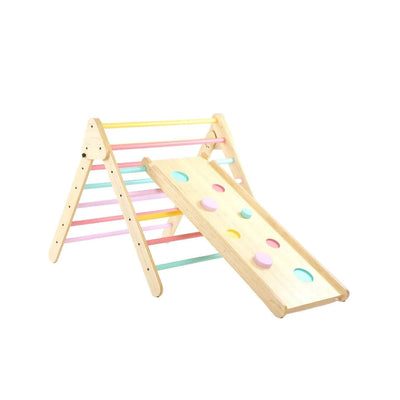
Parents can encourage lighter clothing, wide-brimmed hats, and UV-protective sunglasses. Consider water-based activities in a safe, supervised environment, like a small splash pool at home, for sensory exploration and cooling. If outdoor conditions are genuinely unsafe, transitioning to indoor physical activities using Montessori educational toys can maintain physical development.
Preserving Traditional Indian Games Amidst Climate Shifts
Traditional Indian games like gilli danda, kith kith (hopscotch), and marbles are integral to our cultural heritage and child development. However, the traditional Indian games climate impact is undeniable, with less suitable outdoor time. The challenge is to adapt, not abandon. For example, a game of carrom or even a modified indoor version of hopscotch can bring joy and skill-building.
We can learn from initiatives like Glucon-D bringing ice golas to parks, adapting the environment to suit play. Parents can introduce these games during cooler seasons or create shaded, comfortable spaces in their balconies or courtyards. Grandparents, with their wealth of knowledge, can be instrumental in teaching these games, passing on invaluable cultural and physical literacy.
The Broader Environmental Impact on Children's Physical Development
The environmental impact on children's play extends beyond just heat. Poor air quality, a significant concern in many Indian cities, can force children indoors, limiting their exposure to natural elements crucial for sensory development. A balanced approach ensures children get sufficient physical activity while being protected from environmental hazards.
Montessori education emphasizes a holistic approach to development, recognizing that a child's environment profoundly shapes their learning. This includes a healthy planet. By making informed choices about play, parents not only protect their children today but also instill an awareness of environmental responsibility for tomorrow.
- Climate change necessitates urgent adaptations to children's outdoor play in India.
- 'Heat watch' is a critical safety measure, involving monitoring temperatures and hydration.
- Shifting play to cooler hours and using shaded areas are essential for safety.
- Traditional Indian games require adaptation to ensure their continued practice.
- The environmental impact on play underscores the need for proactive parenting and advocating for healthier environments.
- Montessori principles support observing conditions and preparing safe, enriching play environments.
How does climate change affect children's outdoor play in India?
Climate change in India directly impacts outdoor play by causing extreme heat, poor air quality, and unpredictable monsoons. This reduces safe play opportunities, alters traditional games, and necessitates stricter safety protocols like 'heat watch' for children.
What is 'heat watch' for kids and why is it important in India?
'Heat watch' for kids involves actively monitoring temperatures, humidity, and signs of heat stress during outdoor activities. It is crucial in India due to rising temperatures, ensuring children are protected from heatstroke, dehydration, and other heat-related illnesses during summer play.
What are some safe alternatives for outdoor play during extreme heat or poor air quality?
Safe alternatives include shifting outdoor play to cooler parts of the day, utilizing shaded areas, or engaging in indoor gross motor activities. Parents can also explore well-ventilated indoor play zones or educational toys that promote physical development without direct sun exposure.
How can parents help preserve traditional Indian games amidst changing climate patterns?
Parents can preserve traditional Indian games by adapting them for indoor or shaded environments, teaching their children the rules, and encouraging family play during cooler hours. Sharing stories and histories behind these games also keeps their cultural significance alive.
What role do Montessori principles play in adapting to new outdoor play challenges?
Montessori principles emphasize observation and preparing the environment, which is vital for adapting to new outdoor play challenges. Parents can observe their child's energy levels, prepare a safe play space, and offer child-led choices that are appropriate for the current weather conditions, fostering independence and resilience.