Daily Outdoor Play Tips India: Bridging the Play Gap
To help busy Indian parents bridge the play gap, integrating daily outdoor play tips India is crucial. Child development experts affirm that consistent outdoor engagement is fundamental for holistic growth, even amidst academic pressures and safety concerns. Parents can effectively weave short, impactful outdoor sessions into their children's day by utilising existing spaces and fostering a routine.
Daily outdoor play involves children engaging in physical activity and free exploration in natural or semi-natural environments outside the home. This matters immensely because it builds gross motor skills, fosters creativity, and enhances cognitive development, crucial for growing children in India. Indian parents can initiate this by planning short, intentional periods of outdoor time each day.
Bridging the Play Gap: Why Daily Outdoor Play is Essential for Indian Kids
The recent 'International Day of Play' has reignited vital discussions around India's 'play gap,' a challenge exacerbated by mounting exam pressure and parental safety concerns. Many children are missing out on vital outdoor experiences, impacting their physical and mental well-being. This gap must be addressed to ensure children's holistic development.
Research shows that regular outdoor play significantly counters the risks of childhood obesity and improves eye health, a concern highlighted by India Today. Furthermore, it directly combats issues like increased screen time, which The Times of India has linked to childhood obesity. Embracing nature promotes better concentration and reduces stress, essential for navigating academic demands.
Crafting an Outdoor Play Routine for Kids: Practical Indian Strategies
Establishing an outdoor play routine doesn't require a complete lifestyle overhaul; rather, it means intentional integration into existing schedules. Consider early mornings before school, or just after the evening snack, when the heat is less intense. Even a 30-minute dedicated slot daily makes a profound difference, especially when consistently applied.
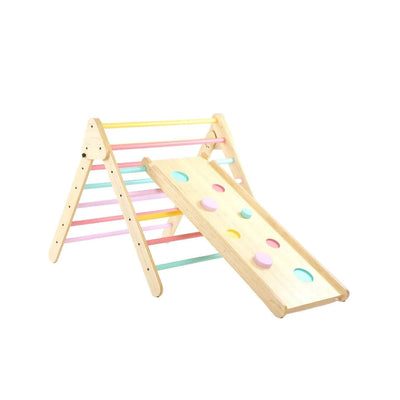
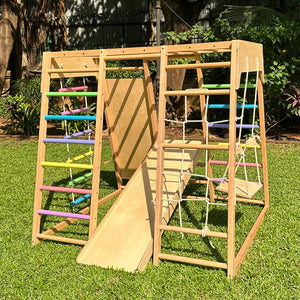
In joint families, grandparents often become wonderful allies, sharing traditional games or accompanying children to the neighbourhood park. Children naturally develop strength and coordination through climbing, balancing, and running, making gross motor skill toys and activities invaluable. These experiences are vital for physical literacy and confidence, mirroring Montessori principles of learning through active engagement.
Quick Outdoor Activities for Kids India, Even with Limited Space
Limited space should never be a barrier to outdoor exploration. For urban Indian families, apartment balconies can transform into vibrant play zones for sensory bins, simple gardening, or even chalk art. Terraces offer space for skipping, ball games, or a makeshift obstacle course.
Even a quick walk around the apartment complex or within society gates can become an adventure. Encourage children to identify different trees, listen to bird calls, or collect leaves. These simple engagements foster observation skills and a love for nature, making outdoor time accessible and meaningful.
Balancing Studies and Play India: A Holistic Approach
Indian parents frequently grapple with the intense pressure of academics, yet studies consistently demonstrate that outdoor play enhances cognitive function and academic readiness. Instead of viewing play as a distraction, consider it a powerful learning tool. Maria Montessori's philosophy, in fact, emphasizes that children learn best through movement and sensory experiences, not solely through rote memorization.
Integrate outdoor play as a 'brain break' between study sessions. A 15-20 minute run, jump, or imaginative game can re-energise a child, improving focus upon returning to books. This approach to Montessori educational toys and learning materials extends beyond the classroom, acknowledging that the world itself is a vast learning environment.
Safe Outdoor Play at Home: Ensuring Peace of Mind
Safety is a paramount concern for Indian parents, and rightly so. Creating secure environments for outdoor play is achievable with mindful planning. If playing in a society park, inspect equipment for wear and tear, and ensure the area is well-lit and visible. For home-based outdoor play, secure balconies with appropriate netting or grilles to prevent falls.
Active supervision remains non-negotiable, whether by parents, grandparents, or trusted caregivers. Teach children about hygiene practices post-play, like washing hands, and always ensure adequate sun protection. By establishing clear boundaries and routines, parents can foster independence while guaranteeing safety, allowing children to explore freely and confidently.
- Child development experts recommend at least 60 minutes of daily outdoor physical activity for school-aged children.
- Consistent outdoor play is scientifically proven to reduce risks of obesity and improve eye health.
- Integrating short (15-30 minute) outdoor play sessions daily is an effective strategy for busy Indian families.
- Montessori principles advocate for learning through movement and sensory experiences found in outdoor environments.
- Utilising existing home and community spaces like balconies, terraces, and society parks makes daily outdoor play accessible.
- Active supervision and clear safety boundaries are crucial for ensuring peace of mind during children's outdoor exploration.
Integrating daily outdoor play into your child's routine is more than just an activity; it's an investment in their lifelong well-being and development. By adopting practical strategies, leveraging existing resources, and embracing a holistic view of learning, Indian parents can confidently bridge the play gap. Let’s empower our children to explore, discover, and thrive in the vibrant world outside, one playful moment at a time.
How much outdoor play is recommended daily for Indian children?
Child development experts, including the WHO, recommend at least 60 minutes of moderate to vigorous physical activity daily for children aged 5-17. For younger children (3-4 years), three hours of physical activity spread throughout the day is ideal, including outdoor play.
How can I ensure safe outdoor play for my child in Indian urban settings?
Prioritise designated play areas within apartment complexes or society parks that are well-maintained and supervised. For at-home play, secure balconies with netting and ensure terrace areas are free from hazards, always maintaining active supervision.
What if my child has too much homework to play outside?
Balance is key; outdoor play can actually improve focus and academic performance. Integrate short, energising outdoor breaks (15-20 minutes) between study sessions, transforming outdoor time into a productive learning aid rather than a distraction.
Are there quick outdoor activities for kids that don't require much space?
Absolutely. Even a balcony or small terrace can host activities like chalk art, planting seeds, shadow play, or simple stretching and movement games. Short walks in safe society lanes, identifying nature elements, also count.
How do grandparents help with children's outdoor play?
Grandparents often possess a wealth of traditional games and stories that can enrich outdoor play, fostering cultural connection and physical activity. Their presence provides an additional layer of supervision and encouragement, especially in joint family setups, making daily outdoor routines more achievable.