Doll House for Kids & Beyond: DIY Outdoor Play Spaces
Creating DIY outdoor imaginative play spaces is a powerful way for Indian parents to encourage holistic development, moving beyond a traditional doll house for kids to foster creativity, gross motor skills, and a profound love for nature. These personalized environments address the critical need for children to engage in physical activity and outdoor exploration, combating the sedentary lifestyle prevalent today.
DIY outdoor imaginative play spaces are intentionally designed environments where children use natural materials and simple setups to engage in open-ended, creative play. This matters because it significantly boosts cognitive development, physical activity, and problem-solving skills, which are crucial for early childhood. Indian parents can easily create these prepared environments using everyday resources, turning a backyard or balcony into a vibrant learning zone.
Combat Screen Time with Outdoor Play: The Montessori Way
Child development experts agree that increased screen time is a significant concern for children's health in India. Research shows children spending less time outdoors are more prone to Vitamin D deficiency, as reported by India Today, and studies indicate a direct link between screen time and childhood obesity, a concern highlighted by The Times of India. Montessori principles advocate for a prepared environment that naturally draws a child towards productive activity, and an outdoor space is the ultimate extension of this philosophy.
By offering an engaging alternative to digital devices, parents can proactively address these health challenges. An outdoor imaginative play space not only provides essential physical activity but also stimulates creativity, problem-solving, and sensory development, which are vital for a child's growing mind and body. It’s an investment in their long-term well-being.
Why an Outdoor Imaginative Play Space? Beyond Just a Doll House for Kids
While a doll house for kids offers valuable imaginative play indoors, an outdoor version or a broader imaginative play space takes the benefits to a new level. Outdoors, children encounter changing weather, natural textures, and the freedom of movement that indoor settings often lack. This environment fosters resilience, independence, and a deeper connection to the natural world, all central to Montessori education.
It allows for bigger movements, louder expressions, and messier play that is essential for development. Children learn about cause and effect, develop spatial awareness, and engage in collaborative play, all while breathing fresh air. This holistic approach supports both physical and cognitive growth simultaneously.
Creating a Mud Kitchen for Kids: Sensory Bliss Outdoors
A mud kitchen for kids is arguably one of the most enriching DIY additions to any outdoor play area. It provides endless opportunities for sensory play, fostering creativity, fine motor skills, and early scientific exploration. Children learn about textures, states of matter, and the joy of creating something from natural elements.
To create one, gather old pots, pans, spoons, and containers. Repurpose an old cabinet, wooden pallets, or even sturdy cardboard boxes for the main structure. Add natural elements like leaves, twigs, stones, and plenty of mud and water. This setup encourages hours of imaginative cooking, mixing, and potion-making, promoting gross motor skill development through scooping, stirring, and carrying.
DIY Outdoor Play Area: Beyond Just Structures
A comprehensive DIY outdoor play area extends far beyond static structures. Consider incorporating elements that encourage dynamic and evolving play. A designated digging patch, a nature table for collecting treasures, or a simple loose parts area with sticks, rocks, and fabric scraps can inspire endless scenarios.
For Indian homes, this might mean repurposing old tires for climbing, creating a simple 'market stall' from bamboo, or a small water play station using buckets and pipes. These elements promote open-ended play, where children define the rules and stories, rather than being confined by predefined toys. It’s about creating a canvas for their imagination, not just a completed picture.
Montessori Outdoor Setup: Fostering Independence & Gross Motor Skills
A Montessori outdoor setup is characterized by its simplicity, beauty, and accessibility, encouraging children to engage independently. This means low shelves or crates for materials, child-sized tools, and clear pathways. Think about practical life activities like gardening with real tools, washing play dishes at the mud kitchen, or sweeping a small area.
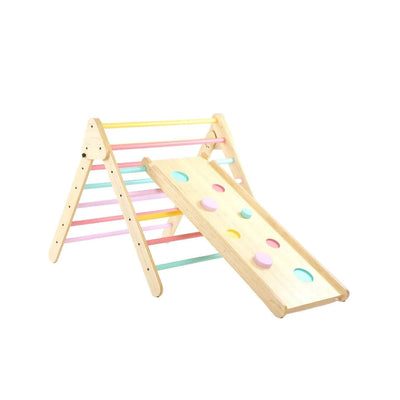
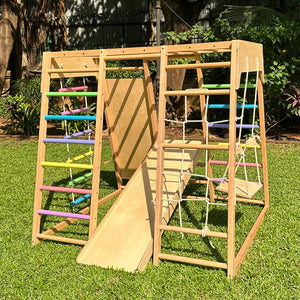
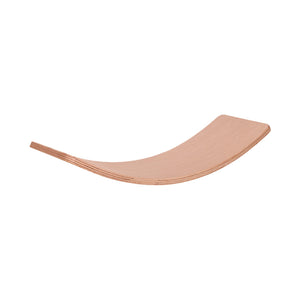
Incorporating elements that challenge gross motor skills is crucial. This could include a low climbing structure made from sturdy wood, stepping stones, or a balance beam. These activities build strength, coordination, and confidence. Maria Montessori emphasized that movement is essential for cognitive development, and the outdoors provides the perfect laboratory for this integration.
Backyard Play Space: Small Areas, Big Dreams for Indian Homes
Even with limited space, common in many Indian homes, a vibrant backyard play space is entirely achievable. Consider vertical gardening, where children can help plant herbs or flowers, fostering a connection to nature. A compact sensory table can fit on a balcony, filled with sand, water, or rice for tactile exploration.
For joint families, involving everyone in the creation process can be a wonderful bonding experience. Utilize multi-functional items; a low bench can serve as a seating area, a work surface, or even part of an obstacle course. The key is to think creatively and adapt to the available space, ensuring it remains an inviting and stimulating Montessori learning environment for your child.
- DIY outdoor imaginative play spaces significantly boost children's creativity and physical health.
- Outdoor play helps combat Vitamin D deficiency and childhood obesity, critical issues in India.
- A mud kitchen for kids offers extensive sensory play and fosters fine motor skills using natural materials.
- Montessori outdoor setups emphasize independence, practical life skills, and gross motor development.
- Even small Indian backyards or balconies can be transformed into rich, imaginative play zones.
- Such spaces provide a holistic learning environment that extends far beyond traditional indoor toys.
What are the primary benefits of DIY outdoor imaginative play?
Research shows DIY outdoor imaginative play significantly boosts a child's creativity, problem-solving skills, and physical development. It also provides essential exposure to nature, which is crucial for sensory integration and overall well-being.
How can I create a mud kitchen for kids on a budget in India?
A mud kitchen for kids can be easily assembled using recycled materials like old wooden crates, discarded kitchen utensils, and natural elements such as stones, leaves, and water. Focus on creating stations for 'cooking' with mud and water, encouraging sensory exploration.
What makes an outdoor play space Montessori-aligned?
A Montessori outdoor setup emphasizes prepared environments that foster independence, hands-on exploration, and a connection to nature. This includes accessible materials, opportunities for practical life activities, and spaces that encourage freedom of movement and choice.
How can joint families contribute to building DIY outdoor play areas?
Joint families can pool resources, share ideas, and involve grandparents in the design and creation process, making it a wonderful family bonding activity. Grandparents often have traditional knowledge of local materials and crafts that can enrich the play space culturally.
What if I have limited outdoor space for a backyard play space in an Indian apartment?
Even small balconies or terraces can become vibrant play zones. Focus on vertical elements like plant walls, a compact mud kitchen, or a sensory table. Utilize foldable items and multi-functional setups to maximize space and encourage imaginative engagement.