Doll House for Kids Outdoors: Gross Motor & Imagination
An outdoor doll house for kids provides a dynamic environment crucial for developing gross motor skills and fostering expansive imaginative play, far surpassing the limitations of traditional indoor settings. Research consistently shows that outdoor play is essential for holistic child development, encouraging active movement, problem-solving, and uninhibited creativity in children from Bengaluru to Bhopal.
Thinking about a new dollhouse for your little one? The allure of tiny furniture and miniature worlds is undeniable, but what if this world could expand beyond the confines of four walls, directly into the sunshine?
What is an Outdoor Dollhouse?
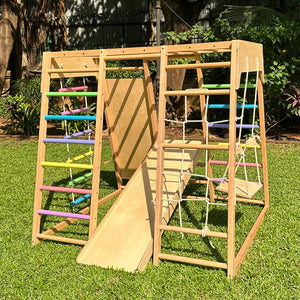
An outdoor dollhouse is a durable, weather-resistant play structure specifically designed for open-air use, encouraging children to extend their play beyond confined indoor spaces. This matters because it directly supports vital physical development and uninhibited creative expression through natural elements. Indian parents can choose or craft one to transform their balcony or garden into a vibrant, skill-building learning zone.
Elevating Gross Motor Skills with Outdoor Play
Moving a child's play outside significantly enhances their gross motor skill development, a critical aspect of physical growth often overlooked in an increasingly screen-dominated world. While an indoor dollhouse involves fine motor manipulation, an outdoor setting demands a broader range of physical engagement. Children bend, stretch, reach, squat, and carry items across uneven surfaces, all vital actions for building strength and coordination.
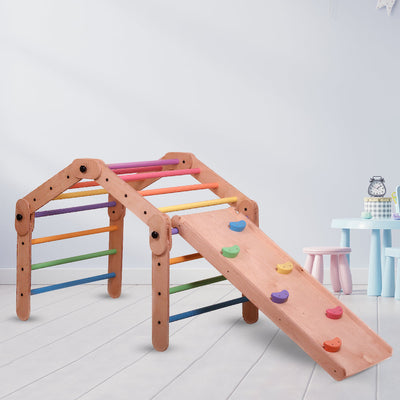
Child development experts agree that regular, uninhibited movement is paramount for young children. Instead of sitting, children with an outdoor dollhouse are constantly in motion—fetching natural 'props' like pebbles or leaves, rearranging furniture, or even 'visiting' other parts of the garden. This active engagement helps combat rising childhood obesity rates, a concern highlighted by 'The Times of India' regarding the impact of smartphones on children's health. Alongside a dollhouse, consider other robust gross motor skill toys that encourage climbing and balancing, creating a comprehensive play zone.
Igniting Imaginative Outdoor Play in Natural Settings
Imaginative play truly flourishes when children are given the freedom to interact with their environment, and an outdoor dollhouse offers a unique canvas. The elements of nature become integral to their stories: mud pies become gourmet meals, twigs become miniature trees, and rainwater fills tiny swimming pools. This dynamic interaction with natural materials sparks a level of creativity that sterile indoor environments often cannot match.
Maria Montessori emphasised the importance of connecting children with nature for holistic development, and an outdoor dollhouse aligns perfectly with this philosophy. It encourages children to observe, experiment, and integrate real-world textures and phenomena into their play. From a Bengaluru balcony to a village courtyard, children can create narratives influenced by the birds chirping, the wind blowing, or the smell of rain, fostering richer, more expansive imaginative worlds.
Fostering Physical Development in Children Beyond Walls
Beyond specific gross motor skills, an outdoor dollhouse contributes to overall physical development in profound ways. Exposure to natural sunlight is crucial for Vitamin D synthesis, which is essential for strong bones and overall immunity. Research from 'India Today' indicates a concerning rise in Vitamin D deficiency among Indian children, directly linked to reduced outdoor exposure and increased screen time. An outdoor dollhouse provides an engaging reason to be outside, soaking in those vital rays.
Furthermore, consistent outdoor play promotes cardiovascular health, improves endurance, and refines spatial awareness. Studies indicate that children engaged in outdoor play for at least 60 minutes daily exhibit better coordination and reduced risk of obesity by up to 30%. The freedom to move, jump, and explore in an outdoor setting expends energy positively, leading to better sleep patterns and improved physical well-being for children across India.
The Montessori Approach to Outdoor Dollhouses
The Montessori philosophy champions practical life skills, independence, and a deep connection to the natural world, all of which are beautifully integrated into outdoor dollhouse play. Unlike highly structured toys, an outdoor dollhouse offers an open-ended invitation to engage. Children aged 18-24 months can begin with simple tasks like moving objects, while older children develop complex narratives and problem-solving skills.
This approach empowers children to be active participants in their play, fostering self-reliance and decision-making. They learn about cause and effect by interacting with water, sand, or plants, and develop respect for their environment. This philosophy extends to all Montessori method learning materials, fostering self-directed play and genuine discovery through hands-on experience.
Practical Considerations for Indian Homes
For Indian parents, adapting play spaces to varied living situations is key. An outdoor dollhouse doesn't necessarily require a large garden; even a spacious balcony or a communal terrace in an apartment complex can be transformed. When choosing, consider durable, weather-resistant materials that can withstand India's diverse climates – from the humid monsoons to the dry summers. Easy maintenance is also a crucial factor for busy parents and often involves just a quick wipe-down.
This outdoor play also offers wonderful opportunities for intergenerational bonding. Grandparents, who often encourage outdoor play and connection to nature, can share stories and wisdom, making the outdoor dollhouse a hub for family interaction, much like the traditional gatherings in joint families across India. It's an investment in both play and family connection.
- Outdoor dollhouses are superior for gross motor skill development compared to indoor versions, promoting active movement and coordination.
- Imaginative play flourishes outdoors, incorporating natural elements like mud and leaves, fostering unique and expansive narratives.
- Consistent outdoor play significantly contributes to children's physical health, including essential Vitamin D synthesis and a reduced risk of obesity.
- The Montessori philosophy champions outdoor play for developing independence, practical life skills, and a deep, respectful connection to nature.
- Selecting a durable, weather-resistant outdoor dollhouse ensures longevity and safety for children in India's diverse climates.
- Child development experts emphasize that regular outdoor activity directly combats the negative effects of excessive screen time and supports holistic development.
What age is best for an outdoor dollhouse?
Outdoor dollhouses are ideal for children aged 18 months to 8 years, adapting to their evolving play patterns. Younger children engage in sensory exploration and simple manipulation, while older children craft elaborate imaginative narratives.
How does an outdoor dollhouse improve gross motor skills?
An outdoor dollhouse encourages active movement like bending, stretching, carrying objects, and moving around the structure. This natural engagement significantly strengthens core muscles, improves balance, and enhances overall coordination.
Are outdoor dollhouses durable enough for Indian weather?
Yes, purpose-built outdoor dollhouses are constructed from weather-resistant materials like treated wood or sturdy plastics, designed to withstand India's varied climates, from monsoon rains to intense summer heat. Look for models explicitly stated as outdoor-ready.
What kind of imaginative play does it encourage?
It fosters rich imaginative play by integrating natural elements such as mud, leaves, and water into storytelling. Children create unique scenarios, engage in pretend caretaking, and develop social skills through collaborative play with siblings or friends.
How is an outdoor dollhouse different from an indoor one?
An outdoor dollhouse offers greater freedom of movement and interaction with the natural environment, promoting physical activity and sensory experiences that indoor versions cannot. It's built for durability and resilience against outdoor elements, unlike delicate indoor models.
Can an outdoor dollhouse help combat screen time?
Absolutely. By providing an engaging and interactive play space outdoors, an outdoor dollhouse naturally draws children away from screens. It encourages active, hands-on engagement, reducing sedentary behaviour and fostering healthier habits.