Educational Toys for Outdoor Gross Motor Play
Transitioning children from screen time to vibrant outdoor gross motor play is crucial, and Montessori educational toys offer a highly effective solution. Research shows that engaging with purposeful, open-ended educational toys outdoors significantly enhances physical development, reduces screen dependency, and promotes a deeper connection with nature. For Indian parents, leveraging these carefully designed materials can transform daily routines, moving children towards active, joyful exploration.
What is Outdoor Gross Motor Play with Montessori Principles?
Outdoor gross motor play, guided by Montessori principles, involves free movement and exploration in natural environments using materials that encourage self-directed activity. This matters because it builds strength, coordination, balance, and problem-solving skills, essential for holistic child development. Indian parents can implement this by providing accessible, engaging Montessori educational toys that invite children to run, jump, climb, and balance outdoors.
The Screen Time Challenge: A Call to Action for Indian Families
The alarm bells are ringing across India regarding children's escalating screen time. A recent India Today report highlights a concerning rise in Vitamin D deficiency, directly linking it to "more screens, less sunshine." Concurrently, Healthcare Radius notes the alarming surge of myopia in Indian children, with experts attributing it to reduced outdoor exposure.
These statistics paint a clear picture: our children are spending less time under the open sky and more time glued to digital devices. This shift negatively impacts their physical development, vision, and overall well-being. Indian parents, often juggling school pressure and joint family dynamics, are actively seeking practical screen time solutions that are both effective and engaging for their children.
Montessori's Approach: Nurturing Natural Movement with Educational Toys
Maria Montessori firmly believed that movement is the "key to learning." Her philosophy inherently champions active engagement with the environment, making outdoor play a natural extension of Montessori education. Montessori educational toys are not just playthings; they are tools designed to facilitate purposeful movement, sensory exploration, and the development of crucial gross motor skills.
Unlike passive entertainment, these toys encourage children to use their bodies, coordinate their movements, and understand their physical capabilities. Child development experts agree that this hands-on, body-on approach is vital for developing balance, agility, strength, and spatial awareness, laying a strong foundation for future learning and physical health.
Transitioning Toddlers (18-36 months) to Outdoor Gross Motor Play
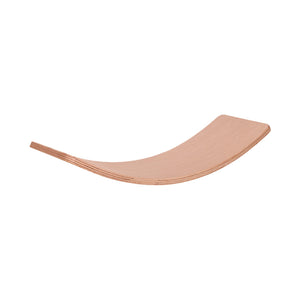
Toddlers are naturally curious and driven by movement. To gently steer them away from screens, focus on simple, inviting gross motor toys that encourage exploration. Consider introducing a small balancing beam or a set of soft, stackable climbing blocks in your balcony or backyard. These activities develop core strength and coordination in a fun, self-directed way.
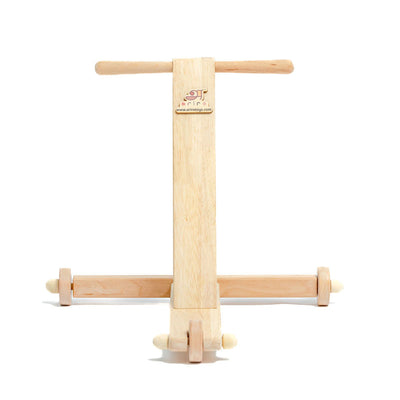
Simple activities like pushing a lightweight wagon to collect leaves or pouring water from one bucket to another (a practical life activity taken outdoors) also foster gross motor skills and independence. The key is to make the outdoor environment rich with opportunities for active discovery, directly competing with the passive nature of screens.
Engaging Preschoolers (3-6 years) with Outdoor Montessori Toys
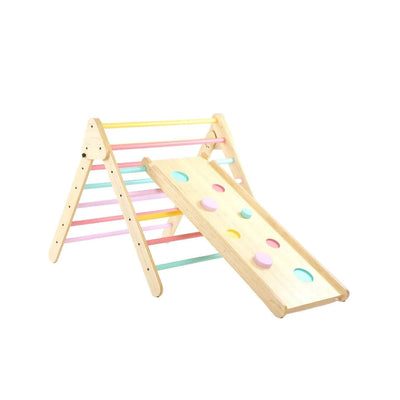
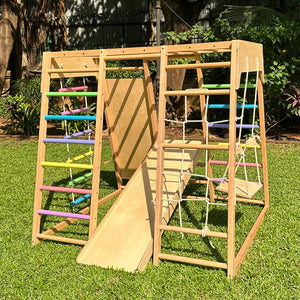
Preschoolers are ready for more complex challenges that hone their coordination and problem-solving. SkilloToys offers a range of gross motor skill development sets perfect for this age. Stepping stones arranged in a path encourage balance and sequencing, while larger climbing arches or tunnels build strength and spatial awareness.
Outdoor art with large brushes and paint, or building "forts" with large blocks or natural materials, integrates creativity with physical activity. These kids outdoor activities are not only physically stimulating but also foster imaginative play, independence, and a deep appreciation for the natural world around them.
Practical Screen Time Solutions: Making Outdoor Play Irresistible
Moving children "From Screens to Green" requires intentionality and consistency from parents. Establish clear "screen-free" times, perhaps immediately after school or during evenings when grandparents are around to supervise outdoor fun. Make the outdoor space easily accessible and inviting, presenting it as a natural extension of their play area.
Involve your child in setting up their outdoor "Montessori zone" with their chosen Montessori toys. This sense of ownership significantly increases their engagement. Remember, consistent parental involvement – even just sitting outdoors while they play or joining in for a few minutes – reinforces the value of outdoor time and strengthens family bonds, a cornerstone of Indian family life.
Transforming Indian Homes: Balconies, Backyards & Beyond for Outdoor Fun
Even in urban Indian settings, outdoor play is achievable. Balconies can become vibrant sensory zones with water tables, sand pits, or small Montessori method learning materials for sorting natural objects. Backyards, no matter how modest, can host balancing logs, a designated "digging" area, or a small garden patch where children can plant seeds.
Beyond home, leverage community spaces. Daily visits to the neighbourhood park, walks in local gardens, or even exploring pathways within your residential society can provide ample opportunities for running, jumping, and exploring. The key is to see every outdoor space as a potential classroom for gross motor development and joyful discovery.
- Montessori educational toys are definitive tools for transitioning children from screens to active outdoor play.
- Outdoor gross motor play, guided by Montessori principles, significantly enhances physical, cognitive, and emotional development.
- Research directly links reduced outdoor time and increased screen time to health concerns like Vitamin D deficiency and childhood myopia in India.
- Montessori's philosophy emphasizes movement as essential for learning, making outdoor engagement a core developmental component.
- Creating accessible outdoor play spaces, even small ones, within Indian homes and communities is crucial for consistent outdoor exposure.
- Engaging parents and structured screen-free times are effective strategies to inspire children towards purposeful outdoor activity.
How do Montessori toys encourage outdoor gross motor play?
Montessori educational toys are designed for self-directed activity and exploration, naturally fostering gross motor skills like balancing, climbing, and running. Their open-ended nature invites children to engage physically with their environment, making the transition from screens to green space more appealing and organic.
What age is best to introduce outdoor gross motor educational toys?
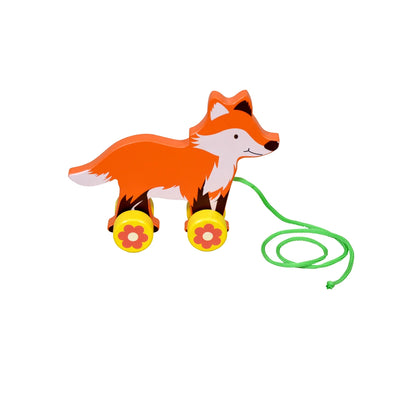
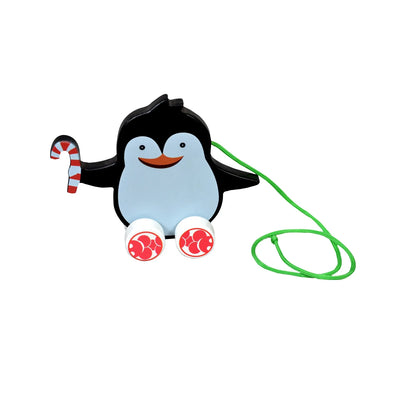
Outdoor gross motor educational toys can be introduced as early as 18-24 months, starting with simple push-and-pull toys or small climbing structures. As children grow, the complexity of the toys and activities can increase, continually supporting their evolving physical capabilities.
Can small Indian homes accommodate outdoor gross motor play?
Yes, even small Indian homes can foster outdoor gross motor play by utilizing balconies for water play, setting up compact climbing frames, or using portable balancing beams. Local parks, society common areas, and nature walks also offer excellent opportunities for active outdoor engagement.
How does outdoor play combat screen time and its effects?
Outdoor play naturally reduces screen time by offering an engaging, sensory-rich alternative that captivates children's attention. It combats issues like myopia and vitamin D deficiency by exposing children to natural light and encouraging physical activity, which strengthens vision and promotes overall health.
Are Montessori outdoor toys different from regular outdoor toys?
Montessori outdoor educational toys are distinct in their purposeful design, focusing on promoting concentration, independence, and specific developmental skills through self-correction. They often feature natural materials and encourage open-ended play, aligning with a child's innate drive to learn and explore through movement.