Educational Toys for Outdoor Gross Motor Play: An Age Guide
Choosing the right educational toys for outdoor gross motor play is a definitive step towards fostering holistic child development in India. This guide outlines age-specific Montessori-aligned options, ensuring that every child receives the appropriate stimulation to build strength, coordination, and confidence while enjoying the outdoors.
As Indian families increasingly seek ways to encourage physical activity amidst growing concerns about sedentary lifestyles, understanding developmental stages becomes paramount. Parents can effectively combat issues like vitamin D deficiency and childhood obesity by selecting toys that naturally invite movement and exploration.
What is Gross Motor Development?
Gross motor development involves the coordination of large muscle groups for movements like walking, running, jumping, and climbing. This matters immensely because it forms the foundation for all physical skills, contributes to brain development, and impacts a child's independence. Indian parents can actively support this by providing safe, stimulating environments and age-appropriate tools for outdoor play.
Montessori Outdoor Toys: Nurturing Gross Motor Development by Age
Child development experts agree that play is a child's work, and outdoor play with Montessori outdoor toys offers an unparalleled opportunity for gross motor skill enhancement. By understanding the developmental milestones for each age group, parents can select toys that perfectly challenge and support their child's growing abilities.
Toddlers (18 months - 3 years): Building Foundational Skills
At this stage, toddlers are mastering basic movements like walking, climbing, and pushing. Their curiosity is boundless, and they benefit from activities that build balance and coordination. Montessori philosophy supports self-correction and exploration, which is crucial for this age group.
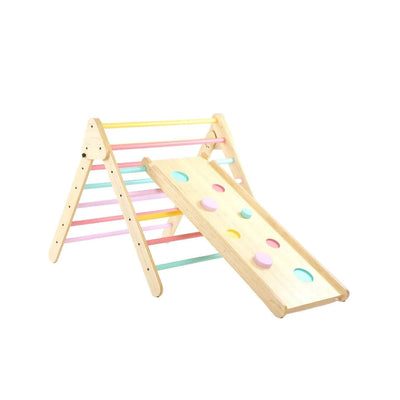
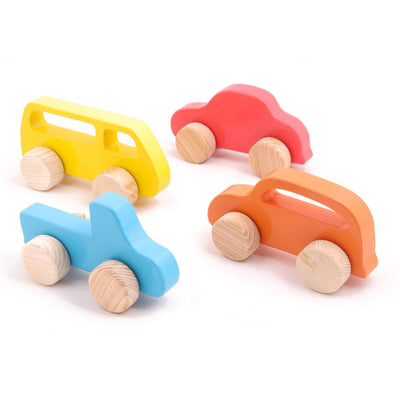
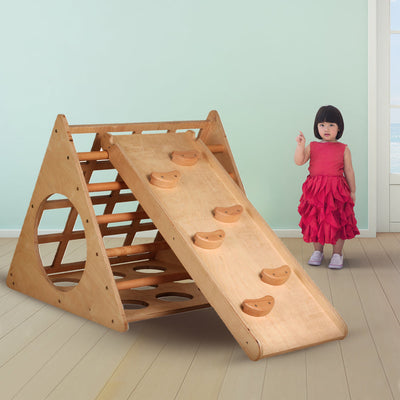
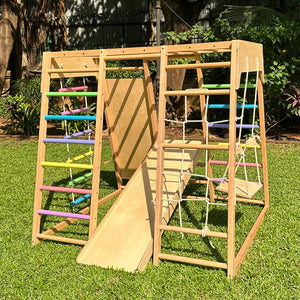
For Indian toddlers, simple yet effective gross motor educational toys include low-height climbing structures, pushcarts, and large balls. Imagine a toddler in a Bengaluru park or a joint family courtyard, confidently pushing a small wooden trolley, refining their balance with every step. Research shows that early engagement in such activities significantly improves proprioception.
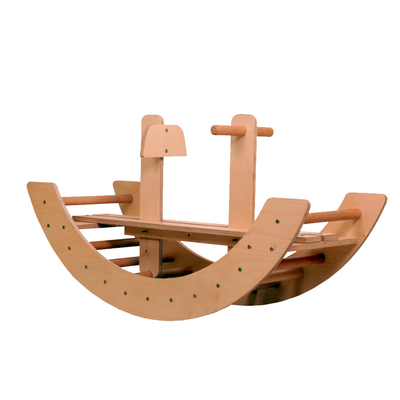
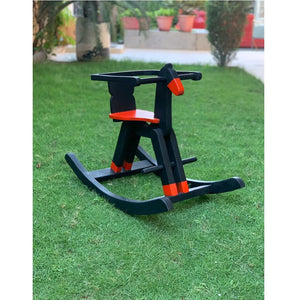
Studies indicate that children who spend more time outdoors develop better spatial awareness and a stronger sense of self. Offering items like a mini slide or a sturdy rocking horse caters to their innate desire for movement, while ensuring safety and encouraging independent play, often under the watchful eyes of grandparents.
Preschoolers (3 - 6 years): Refining Coordination & Strength
Preschoolers are full of energy, ready to run, jump, and climb with more agility. This period is critical for developing more complex gross motor skills such as hopping, skipping, and throwing. They are also starting to engage in cooperative play, making group activities highly beneficial.
Age-appropriate outdoor activities in India for preschoolers include playing with larger tricycles, engaging with balance beams, or using swings. Consider a child navigating a simple obstacle course in their apartment complex garden, or learning to throw and catch a lightweight ball during a family picnic. These activities not only build physical strength but also foster problem-solving skills.
Montessori-inspired materials like large building blocks for outdoor construction or a sturdy children's gardening set encourage purposeful movement and practical life skills. Such engagement provides an excellent alternative to screen time, which The Times of India has highlighted as a factor in childhood obesity.
Early Childhood (6 - 8 years): Complex Movements & Social Play
Children in early childhood exhibit remarkable control over their bodies and are eager for more challenging physical activities. They enjoy competitive games, team sports, and mastering new physical feats. This is the stage where fine-tuning coordination and endurance becomes prominent.
For this age group, more advanced toddler outdoor play equipment might include monkey bars, skipping ropes, or even child-sized soccer goals for the local park. Imagine children organizing impromptu cricket matches or tag games during summer holidays, building not just physical prowess but also social bonds and leadership skills. Maria Montessori emphasized the importance of children learning from each other.
Offering Montessori materials that involve complex movements, like a climbing rope or a sturdy scooter, supports their growing independence and adventurous spirit. This continued engagement with the outdoors is vital for maintaining physical health and combating issues like Vitamin D deficiency, which India Today frequently reports on.
Why Montessori Principles Elevate Outdoor Play in India
Montessori education, founded on principles of respect for the child and fostering intrinsic motivation, naturally extends to outdoor play. It encourages children to explore at their own pace, make choices, and engage deeply with their environment. This aligns perfectly with Indian parenting values that often emphasize practical learning and a connection to nature.
The emphasis on real-world materials and purposeful activity means that even simple outdoor play can become a profound learning experience. Whether it’s watering plants with a child-sized watering can or sweeping the patio, these activities build gross motor skills, concentration, and a sense of contribution within the family unit.
Combating Modern Challenges: Screen Time and Vitamin D Deficiency
The modern Indian landscape presents unique challenges for children's physical development. Concerns about increased screen time and its impact on children's health are widespread. Studies consistently show a correlation between excessive digital exposure and reduced physical activity levels, contributing to conditions like childhood obesity.
Furthermore, India Today reports highlight a concerning rise in Vitamin D deficiency among children, often linked to insufficient outdoor exposure. Prioritizing outdoor play with engaging educational toys offers a powerful counter-narrative, promoting not just physical fitness but also essential sunlight exposure for healthy bone development and overall well-being. It's about consciously choosing sunshine over screens.
- Selecting age-specific educational toys for outdoor play is crucial for optimal gross motor development.
- Montessori principles encourage self-directed, purposeful outdoor activities, fostering independence and skill.
- Outdoor gross motor play is a proven method to combat rising childhood obesity and Vitamin D deficiency in India.
- Toddlers (18 months-3 years) benefit from basic climbing, pushing, and balancing activities.
- Preschoolers (3-6 years) thrive with activities that refine coordination, such as tricycles and balance beams.
- Early childhood (6-8 years) requires more complex movements, like monkey bars and skipping, enhancing strength and social skills.
What are the benefits of outdoor gross motor play?
Outdoor gross motor play significantly enhances a child's physical coordination, strength, balance, and spatial awareness. It also boosts cognitive development, problem-solving skills, and provides essential exposure to sunlight for Vitamin D synthesis.
How do Montessori principles apply to outdoor gross motor activities?
Montessori principles emphasize self-directed activity, freedom within limits, and practical life skills, all of which are perfectly suited for outdoor gross motor play. Children learn through exploration, repetition, and engaging with their environment in a meaningful way.
Are screens really impacting children's physical activity in India?
Yes, research indicates a direct correlation between increased screen time and reduced physical activity among Indian children. This trend contributes to rising concerns about childhood obesity and Vitamin D deficiency, as reported by leading Indian media outlets.
What is the role of grandparents in a child's outdoor play?
Grandparents in Indian joint families play a vital role in encouraging outdoor play by sharing traditional games, supervising activities, and fostering a love for nature. Their presence provides both safety and cultural enrichment, making playtime a cherished family affair.
How can I encourage my child to play outdoors more?
Encourage outdoor play by making it an exciting, accessible part of their daily routine and providing engaging Montessori outdoor toys that align with their developmental stage. Limiting screen time and participating with them initially can also significantly boost their interest.