Educational Toys for Outdoor Gross Motor Skills: A Strategic Guide
To strategically choose educational toys for outdoor gross motor skills, Indian parents must identify specific developmental areas like balance, agility, strength, and coordination, then select Montessori-aligned materials designed to target these skills progressively. Child development experts agree that a purposeful approach ensures holistic physical growth, preparing children for a lifetime of active learning and engagement, a critical aspect given the rise of sedentary lifestyles in urban India.
In the bustling landscape of modern Indian childhood, the emphasis on academic excellence often overshadows the profound importance of physical play. Yet, as Sridhar Vembu rightly advocates for children playing in dirt over excessive social media, and The Times of India highlights five crucial reasons for outdoor playtime, SkilloToys aligns perfectly with this national conversation. Strategically selected outdoor toys are not just for fun; they are essential tools for development.
Why Outdoor Gross Motor Play is Essential for Indian Children
Outdoor gross motor play is paramount for the healthy development of Indian children, addressing both physical and mental well-being. Studies indicate that children engaged in regular outdoor physical activity demonstrate improved academic performance, reduced risk of childhood obesity, and enhanced social skills, directly combating the growing concern of sedentary lifestyles in urban centres.
Furthermore, the alarming rise of myopia in Indian children, as discussed in Healthcare Radius, underscores the urgent need for more outdoor engagement and less screen time. Encouraging play with outdoor gross motor toys provides essential daylight exposure, crucial for eye health, while fostering a love for physical activity from a young age, transforming our gully cricket enthusiasts into well-rounded individuals.
What are Montessori Outdoor Gross Motor Toys?
Montessori Outdoor Gross Motor Toys are specifically designed play tools that encourage large muscle movement and physical exploration in natural environments, adhering to Montessori principles of self-directed learning and purposeful activity. This matters because it fosters independence, problem-solving, and a deep connection with nature, which is vital for reducing screen time and promoting overall well-being in Indian children. Indian parents can integrate these toys into daily routines, transforming a garden or local park into an extension of the learning environment.
These materials, unlike conventional playthings, are crafted to meet specific developmental needs, encouraging children to push their boundaries safely. Maria Montessori's philosophy emphasizes learning through doing, and outdoor gross motor materials extend this concept into the natural world, allowing children to build resilience and self-confidence through physical challenges.
Categorising Montessori Gross Motor Skill Toys for Strategic Development
Choosing Montessori gross motor skill toys strategically means understanding which specific skills each toy helps cultivate. This method allows parents to create a balanced play environment that targets all facets of physical development, moving beyond general recommendations to a precise, intentional approach.
By categorizing toys according to the primary gross motor skill they enhance, parents can ensure comprehensive physical growth. This targeted selection of Montessori educational toys supports a child's journey from tentative steps to confident leaps, preparing them for the physical demands of school and daily life in Bharat.
Toys for Balance & Stability: Building a Strong Foundation
Balance and stability are foundational gross motor skills, crucial for everything from walking on uneven surfaces to standing still during a prayer. Toys designed for these skills help children develop their core strength and proprioception, the body's sense of its position in space. Research consistently shows that a strong sense of balance reduces the risk of falls and enhances overall coordination.
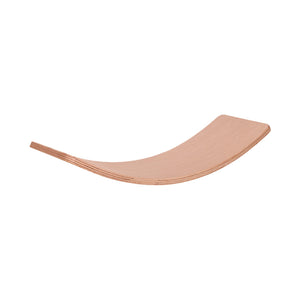
Examples include balance beams, stepping stones, and wobble boards. These items encourage children to distribute their weight evenly, navigate challenging surfaces, and maintain control, which is essential for activities like climbing stairs in a joint family home or playing hopscotch with friends. Opt for sturdy, natural materials that offer tactile feedback.
Toys for Agility & Speed: Nurturing Quick Reflexes
Agility involves quick changes in direction and speed, while speed is the ability to move rapidly. These skills are vital for playing sports, navigating crowded spaces, and responding quickly to environmental cues. Developing agility and speed early on can significantly boost a child's confidence in physical activities.
Consider obstacle courses with tunnels, cones for weaving, and soft hurdles. These toys allow children to practice dodging, sprinting, and stopping, improving their reaction time and spatial awareness. Such play fosters the rapid decision-making necessary for navigating the energetic world around them, from a bustling market to a school playground.
Toys for Strength & Endurance: Cultivating Robustness
Strength refers to the force a child can exert, while endurance is the ability to sustain physical effort over time. Both are critical for sustained play, carrying bags, or participating in longer physical activities without fatigue. Building these aspects supports overall physical robustness and resilience.
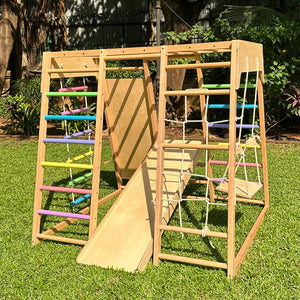
Climbing structures, pull-up bars, and large push-and-pull wagons are excellent for developing strength and endurance. These items engage multiple muscle groups, promoting healthy bone development and cardiovascular fitness. Encourage activities like helping carry light groceries from the local kirana shop or pushing a friend on a swing, integrating strength building into daily routines.
Toys for Coordination & Dexterity: Harmonising Movement
Coordination involves the smooth and efficient combination of movements, often linking visual information with motor responses. Dexterity, while often associated with fine motor skills, also has a gross motor component, referring to the skillful use of hands and feet together. Hand-eye and foot-eye coordination are paramount for many complex activities.
Balls of various sizes for throwing and catching, skipping ropes, and ring toss games are ideal. These activities require precise timing and control, refining a child's ability to track moving objects and execute coordinated actions. Playing 'pakadam pakdai' (tag) or traditional Indian games with these tools enhances both individual skill and social interaction.
Integrating Montessori Principles in Outdoor Play
Montessori education champions self-directed learning and prepared environments, and these principles extend beautifully to outdoor play. When choosing outdoor gross motor toys, select open-ended materials that allow for multiple uses and encourage imaginative play, rather than toys with a single function. This approach fosters creativity and problem-solving, key tenets of the Montessori philosophy.
Furthermore, observe your child's interests and readiness. Offer challenges that are just beyond their current skill level, providing opportunities for mastery without frustration. This respectful approach empowers children to explore their physical capabilities at their own pace, building confidence and a lifelong love for active learning, a value deeply cherished in Indian upbringing.
Choosing Quality: What Indian Parents Should Look For
When investing in Montessori educational toys for outdoor gross motor development, quality is non-negotiable. Look for durable, weather-resistant materials like sustainably sourced wood, non-toxic paints, and robust plastics that can withstand India's diverse climates, from the monsoons to the scorching summers. Safety certifications are also crucial to ensure the products meet international and national standards.
Prioritize simple, aesthetically pleasing designs that encourage focus and concentration, typical of Montessori materials. SkilloToys.com is committed to offering only the highest quality, child-safe products that support your child's development for years to come, ensuring your investment truly nurtures their physical and cognitive growth.
- Strategic selection of educational toys targets specific gross motor skills: balance, agility, strength, and coordination.
- Outdoor gross motor play is critical for physical development, reducing screen time, and combating childhood myopia in India.
- Montessori outdoor toys promote self-directed learning and a deep connection with nature through purposeful physical activity.
- Categorizing toys by skill allows for comprehensive development and tailored play experiences for children.
- Quality, durable, and safe materials are paramount for outdoor educational toys, especially considering India's varied environmental conditions.
- Integrating Montessori principles into outdoor play fosters creativity, problem-solving, and a lifelong love for active learning.
What defines a Montessori outdoor gross motor toy?
A Montessori outdoor gross motor toy is characterized by its purpose-driven design, encouraging large muscle movement, independence, and exploration within natural settings. These toys align with Maria Montessori's philosophy, allowing children to engage in self-directed physical activities that develop strength, balance, and coordination.
How do outdoor gross motor toys benefit cognitive development?
Outdoor gross motor toys significantly benefit cognitive development by enhancing problem-solving skills, spatial awareness, and concentration through physical challenges. Research shows that physical activity directly impacts brain function, improving memory and attention span, which are crucial for academic readiness.
What age is best to introduce outdoor gross motor educational toys?
Introducing outdoor gross motor educational toys is beneficial from toddlerhood, typically around 18-24 months, as children begin to master walking and running. Age-appropriate materials ensure engagement and safety, fostering natural developmental milestones through purposeful play.
How can parents ensure safety with outdoor educational toys?
Parents must ensure safety by choosing age-appropriate, durable toys made from non-toxic materials, regularly inspecting them for wear and tear, and supervising play. Creating a clear, hazard-free play area, whether in a garden or a local park, is also paramount to prevent injuries.
Can these toys help reduce screen time in children?
Yes, engaging outdoor educational toys are highly effective in reducing screen time by offering compelling, interactive alternatives that stimulate physical and mental activity. The allure of climbing, balancing, and exploring naturally draws children away from digital devices, promoting healthier habits.