Educational Toys for Outdoor Learning & Discovery
Montessori educational toys foster outdoor learning by encouraging hands-on exploration and independent discovery in natural settings. These thoughtfully designed tools transform simple outdoor spaces into dynamic classrooms, allowing children to engage all their senses and develop critical cognitive and physical skills through self-directed play. Indian parents are increasingly recognizing the profound impact of these toys in nurturing a child's inherent curiosity for the world around them.
In an era where digital screens often monopolise attention, reconnecting children with the natural world is more vital than ever. The wisdom of playing in dirt and embracing the outdoors, as advocated by figures like Sridhar Vembu and Sam Altman, resonates deeply with traditional Indian parenting values. Montessori educational toys provide the perfect bridge, offering structured yet free-form engagement that supports holistic development outside the four walls of a home.
What is Outdoor Learning with Montessori Educational Toys?
Outdoor learning with Montessori educational toys involves using specifically designed, open-ended materials in natural environments to facilitate self-directed exploration and sensory engagement. This approach enables children to connect with nature while developing problem-solving abilities, gross motor skills, and a deeper understanding of scientific principles. It’s a powerful method for Indian children to learn beyond the classroom walls, fostering a deep love for discovery.
The Call of the Outdoors: Why Indian Parents Are Embracing Nature Play
Across India, from bustling metropolises to serene villages, parents are seeking ways to combat excessive screen time and nurture their children's innate connection to nature. This surge of interest aligns perfectly with the Montessori philosophy, which champions the importance of real-world experiences. Child development experts agree that regular outdoor play is foundational for healthy physical and mental growth, reducing anxiety and boosting creativity.
Studies indicate that children who engage in regular outdoor educational activities develop better coordination, stronger immune systems, and a deeper appreciation for their environment. For Indian families, this means transforming balconies into mini-gardens, making trips to the neighbourhood park a daily ritual, or embracing nature walks during weekend getaways. It’s about creating opportunities for children to learn through play outdoors, mimicking the joy of a village childhood.
How Montessori Educational Toys Ignite Outdoor Discovery
Montessori educational toys are uniquely suited for outdoor learning because they are designed to be interactive, tactile, and encourage independent exploration. They don't dictate play but rather invite children to engage with the world on their own terms, making them ideal kids learning toys for natural environments. From simple wooden blocks to intricate nature exploration kits, these tools facilitate deep engagement with the outdoor world.
Enhancing Gross Motor Skills with Purposeful Play
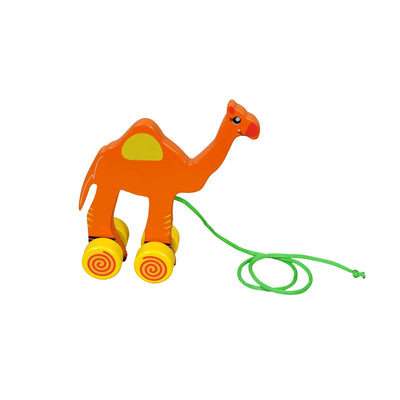
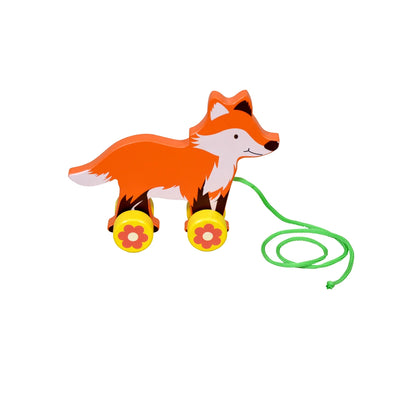
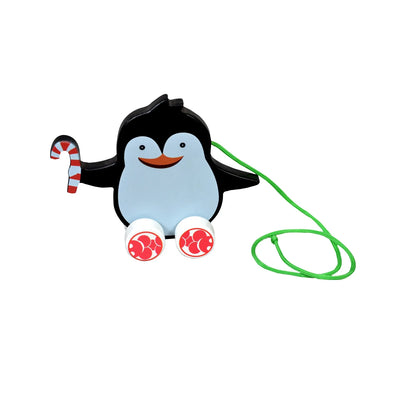
The vastness of the outdoors provides an unparalleled arena for developing gross motor skills. Montessori gross motor skill toys, such as balance beams, stepping stones, or push-and-pull carts, encourage climbing, balancing, running, and jumping. These activities are not just about physical exertion; they build confidence, spatial awareness, and strengthen core muscles. Imagine a child navigating a simple obstacle course with a wooden wagon, learning coordination and problem-solving simultaneously.
Cultivating Sensory Exploration and Scientific Inquiry
Nature is the ultimate sensory classroom. Montessori outdoor learning toys like magnifying glasses, bug viewers, and sensory bins filled with leaves, sand, or water, invite children to observe, touch, and analyse. These experiences lay the groundwork for scientific inquiry, as children naturally question why leaves change colour or how water flows. This direct interaction with the environment fosters a profound understanding that goes beyond textbooks.
Fostering Concentration and Problem-Solving in Nature
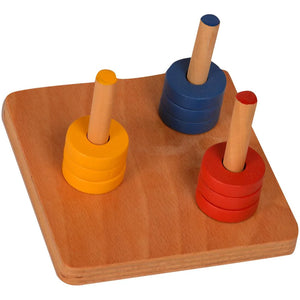
Even traditionally indoor Montessori materials can find new life outdoors. Using wooden puzzles on a picnic blanket, stacking rings under a tree, or engaging with pattern blocks amidst natural textures enhances concentration. The peaceful backdrop of nature can significantly improve focus, allowing children to immerse themselves deeply in problem-solving activities. This approach supports a child's natural inclination towards discovery, transforming every outdoor excursion into a learning opportunity.
Bridging Indoor Wisdom with Outdoor Adventures: A Montessori Approach
The core principles of Montessori education – self-direction, hands-on learning, and respect for the child – translate seamlessly to outdoor settings. Maria Montessori herself recognised the profound impact of nature on a child’s development. This synergy creates powerful opportunities for Montessori outdoor play, where children apply concepts learned indoors to the dynamic, ever-changing environment outside.
For instance, understanding gravity by dropping objects from varying heights, learning about botany by observing plants in a garden, or developing a sense of order by collecting and sorting natural items. These experiences are not only engaging but also reinforce abstract concepts in a tangible way. It’s about creating a continuum of learning that spans from the child's bedroom to the nearest park.
Practical Tips for Indian Homes: Maximising Outdoor Learning
Incorporating outdoor learning into daily life for Indian families is both achievable and immensely rewarding. Here are some practical steps to get started:
- Designate a ‘Nature Nook’: Even a small balcony or a corner of the garden can become a dedicated space for outdoor learning toys. Include a small table, some natural elements, and easy-to-access Montessori materials.
- Embrace Local Parks and Gardens: Make regular visits to community parks a habit. These public spaces offer abundant opportunities for exploration and interaction with peers, enhancing social-emotional development.
- Involve Grandparents: Grandparents often hold a wealth of knowledge about local flora and fauna. Encourage them to share stories and guide children in nature observations, connecting generations through shared discovery.
- DIY Nature Kits: Create simple kits with magnifying glasses, small buckets, trowels, and notebooks for impromptu nature walks. These foster a sense of adventure and scientific curiosity.
- Digital Detox Zones: Establish clear boundaries for screen time, especially when outdoors. Encourage children to choose real-world exploration over digital entertainment, aligning with the growing calls for a digital detox for young children.
- Montessori educational toys are pivotal in transforming outdoor environments into rich learning spaces.
- Outdoor learning enhances gross motor skills, sensory development, and cognitive abilities in children.
- The Montessori philosophy encourages self-directed exploration and hands-on engagement with nature.
- Research indicates that regular outdoor play significantly improves concentration and reduces stress in children.
- Indian parents can effectively integrate outdoor learning through dedicated spaces, park visits, and involving family elders.
- Montessori outdoor play supports holistic child development by fostering a deep connection with the natural world.
What are the benefits of outdoor learning for children?
Outdoor learning significantly boosts children's physical health, cognitive development, and emotional well-being. Research shows that engaging with nature improves concentration, reduces stress, and enhances problem-solving skills, making children more resilient and curious about their surroundings.
How do Montessori toys specifically aid outdoor learning?
Montessori toys are designed to be self-correcting and open-ended, naturally extending the principles of self-directed learning into outdoor environments. They encourage hands-on exploration, sensory engagement, and independent discovery, allowing children to interact directly with natural elements and apply their understanding practically.
Can I use indoor Montessori materials for outdoor play?
Many Montessori materials can be adapted for outdoor use, especially those focusing on sensory exploration or gross motor development, provided they are durable and easily cleaned. Items like large building blocks, puzzles, or scooping tools are excellent for creating engaging outdoor educational activities without direct exposure to harsh elements.
What are some simple outdoor educational activities for toddlers?
For toddlers, simple outdoor educational activities include sensory bins filled with leaves and twigs, water play with cups for pouring and measuring, or scavenger hunts for different coloured objects in the garden. These activities foster early scientific observation and fine motor skill development through play.
How can Indian parents encourage outdoor play amidst urbanisation?
Indian parents can encourage outdoor play by leveraging local parks, community gardens, or even creating stimulating balcony play zones with natural elements and outdoor learning toys. Prioritising screen-free time and embracing family nature walks are crucial steps, echoing sentiments from thought leaders like Sridhar Vembu and Sam Altman.