Educational Toys for Outdoor Play: A Parent's Guide
Truly educational toys for outdoor play are those that fundamentally promote holistic child development through active engagement, problem-solving, and deep sensory exploration, especially as calls grow to encourage children to play in dirt instead of screens. Indian parents can confidently distinguish beneficial outdoor gear from mere marketing by focusing on attributes that support physical mastery, cognitive challenge, and nature connection.
With Zoho's Sridhar Vembu backing stricter measures against social media for young children, and pediatricians endorsing the benefits of playing in the mud, there's a clear call for children to connect with nature. This shift highlights the critical role of informed choices in outdoor play gear. We empower you to make selections that truly enrich your child's development, moving them from passive screen time to vibrant, active learning.
What are Truly Educational Outdoor Toys?
Truly educational outdoor toys are materials and experiences designed to foster physical, cognitive, social-emotional, and sensory skills through unstructured, open-ended play in natural settings. This matters because such play builds foundational life skills and a profound love for learning. Indian parents can empower their children by prioritizing rich outdoor experiences over passive gadget consumption.
These aren't just toys; they are tools for discovery, designed to engage a child's innate curiosity and drive for exploration. They provide the canvas for imaginative stories, scientific observations, and the joy of physical exertion, far from the pressures of academic achievement.
Beyond the Label: Decoding "Educational Toys" for Outdoor Adventures
The term "educational toys" is often broadly applied, sometimes without true pedagogical backing. For outdoor gear, it's essential to look past fancy packaging and marketing claims. Research consistently demonstrates that children who engage in regular outdoor play show improved cognitive function, enhanced creativity, and better emotional regulation compared to their peers who spend more time indoors.
Child development experts, including those inspired by Maria Montessori's philosophy, emphasize that true learning comes from direct experience and purposeful activity. When choosing Montessori method learning materials for outdoor use, consider how they encourage independence, concentration, and practical life skills, just as indoor Montessori tools like the Pink Tower or Sandpaper Letters do.
How to Choose Educational Toys That Promote Gross Motor Skills
Developing strong gross motor skill toys is fundamental for a child's overall well-being and confidence. When selecting outdoor educational toys, prioritize those that challenge and refine large muscle movements. Look for items that encourage climbing, balancing, running, jumping, pushing, and pulling.
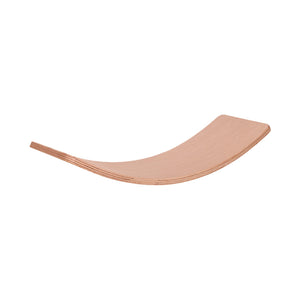
Examples include sturdy tricycles, push carts, balls of various sizes, simple swings, and balance boards. These items directly contribute to improved coordination, spatial awareness, and strength. A study by the American Academy of Pediatrics found that unstructured outdoor play contributes significantly to a child's physical health, reducing obesity rates by 20% in children who play outdoors for at least 60 minutes daily. These activities are vital for growing children in bustling Indian cities, providing a healthy outlet for energy.
Montessori Educational Toys Outdoor: Nurturing Nature's Classroom
Montessori education beautifully integrates with outdoor environments, transforming gardens, parks, and even simple backyards into rich learning spaces. The focus remains on observation, independence, and respect for nature. When we talk about Montessori educational toys outdoor, we mean tools that facilitate hands-on engagement with the natural world.
Consider child-sized gardening tools, magnify glasses for insect observation, simple water play stations, or natural building blocks like wooden planks and stones. These materials allow children to explore concepts of botany, zoology, physics, and practical life skills in an organic, self-directed manner, fostering a deep connection with their environment, much like our grandparents encouraged.
Key Elements of Effective Outdoor Educational Toys
Identifying truly beneficial outdoor gear requires understanding specific attributes. These are the hallmarks of outdoor educational toys that offer lasting developmental value:
- Open-Endedness: Toys that can be used in multiple ways, like a simple rope or a set of wooden blocks, spark imagination and problem-solving. They encourage children to invent games and scenarios, rather than following prescribed rules.
- Durability & Safety: Outdoor toys must withstand various weather conditions and rigorous play. Always check for sturdy construction, non-toxic materials, and age-appropriate safety standards, especially important for items used in active play by energetic children.
- Sensory Engagement: Look for items that engage multiple senses. Toys with varying textures, natural sounds, or those that interact with elements like water, sand, and leaves provide rich sensory input crucial for brain development in children aged 18-24 months and beyond.
- Age Appropriateness: While open-ended toys often grow with a child, ensure the complexity and physical demands align with your child's developmental stage. A toddler might enjoy simple digging tools, while an older child might build complex structures.
- Connection to Nature: The best outdoor educational toys facilitate interaction with the natural world, whether through gardening, exploring flora and fauna, or simply experiencing different terrains. This fosters environmental awareness and a sense of wonder.
Ultimately, the goal is to provide children with opportunities for joyful, unstructured play that builds their bodies, minds, and spirits. This proactive approach ensures our children are not just entertained, but genuinely educated by their playtime.
- Genuine educational outdoor toys prioritize holistic development over specific academic skills.
- Open-ended play gear encourages creativity, problem-solving, and adaptability in children.
- Gross motor activities are crucial for physical strength, coordination, and spatial awareness.
- Montessori principles extend to outdoor environments, fostering practical life skills and nature connection.
- Regular outdoor play significantly improves cognitive function, emotional regulation, and physical health.
- Parents should seek durability, safety, and sensory engagement in outdoor educational toys.
What defines an educational outdoor toy?
An educational outdoor toy is defined by its ability to foster holistic child development—physical, cognitive, social, and emotional—through active, open-ended engagement in natural environments. It encourages exploration, problem-solving, and sensory interaction rather than passive entertainment.
How do outdoor toys help gross motor development?
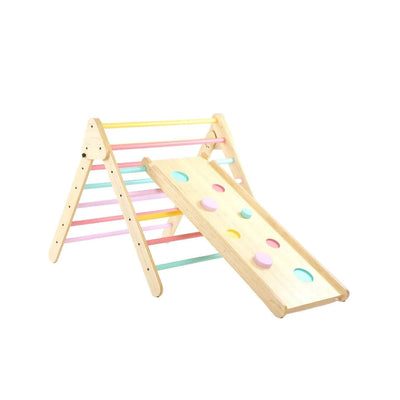
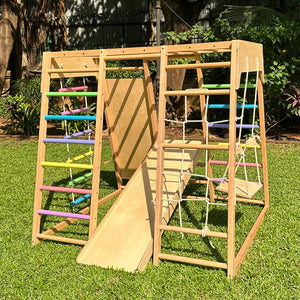
Outdoor toys specifically designed for gross motor skills, like climbing structures or balance beams, enhance large muscle group coordination, balance, strength, and spatial awareness. They provide crucial opportunities for children to master physical challenges and develop confidence in their movements.
Can Montessori principles apply to outdoor play?
Absolutely. Montessori principles of practical life, sensory exploration, and connection to nature are highly applicable to outdoor play. Activities like gardening, water play, or nature walks, facilitated by simple, purposeful tools, foster independence and observation skills in a natural classroom.
What age is best for introducing outdoor educational toys?
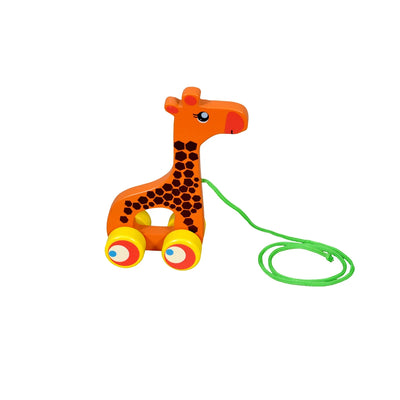
Outdoor educational toys can be introduced from infancy, adapting to a child's developmental stage. For toddlers (18-36 months), simple push-pull toys and sand play are ideal, while preschoolers (3-6 years) benefit from climbing structures and nature exploration kits that challenge growing skills.
Are simple outdoor items considered educational toys?
Yes, many simple outdoor items are highly educational. Natural elements like sticks, stones, mud, water, and leaves provide rich sensory and imaginative play opportunities. These open-ended materials encourage creativity, scientific observation, and connection to the environment, aligning perfectly with true educational play.