Educational Toys for Outdoor Play: Design a Montessori Space
Designing a Montessori outdoor play area with **educational toys** offers Indian children a rich environment for comprehensive gross motor development, fostering physical health and cognitive growth simultaneously. This guide will help Bengaluru parents transform any space, big or small, into an engaging outdoor learning zone that champions movement and discovery.
A Montessori outdoor play area is a carefully prepared environment that encourages children's natural inclination for movement, exploration, and self-directed activity outdoors. This matters because it directly supports holistic child development, promoting physical coordination, problem-solving, and a deep love for nature. Indian parents can adapt these principles to create enriching play spaces even in urban settings, combating sedentary lifestyles.
Why Montessori Outdoor Play is Crucial for Indian Children's Health
Child development experts agree that outdoor physical activity for kids is more critical now than ever. With alarming reports from India Today highlighting rising vitamin D deficiency and The Times of India pointing to childhood obesity linked to smartphones, active outdoor play becomes a powerful antidote. Research shows that children who spend more time outdoors exhibit better physical health, stronger immune systems, and improved cognitive function.
A Montessori outdoor play area provides the freedom for children to move, jump, run, and climb, which are fundamental for developing strong bones, muscles, and coordination. This not only directly addresses the health challenges but also cultivates a lifelong appreciation for physical activity, essential for navigating the pressures of school and modern life.
Essential Elements of a Montessori Outdoor Play Area
Creating a dedicated Montessori outdoor play area means curating a space that is safe, accessible, and stimulates independent exploration. Think beyond just open space; consider how different zones can invite various types of play. Safety is paramount, ensuring surfaces are appropriate, and all materials are non-toxic and well-maintained.
Integrate natural elements like sand, water, pebbles, and plants. These provide endless opportunities for sensory exploration and imaginative play. SkilloToys advocates for an environment where children can freely interact with their surroundings, fostering a deeper connection with nature, which is particularly beneficial for children growing up in bustling Indian cities.
Selecting Gross Motor Development Toys for Every Age
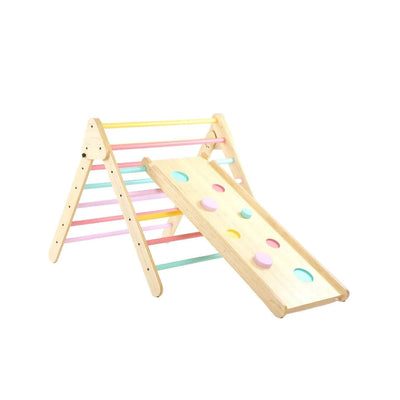
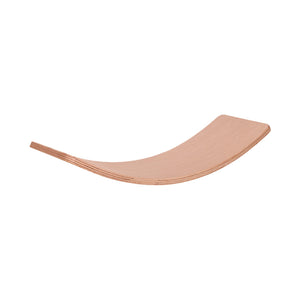
Choosing the right gross motor development toys is key to a dynamic outdoor space. These aren't just toys; they are tools for building strength, balance, and coordination. For toddlers (12-36 months), focus on items that encourage early walking, climbing, and pushing. Think low-level balance beams, pushcarts, and soft balls.
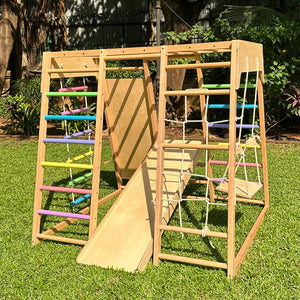
As children grow into preschool and early school years (3-6 years), introduce more challenging items. Climbing domes, mini slides, tricycles, and a variety of balls for throwing, catching, and kicking become invaluable. These activities refine spatial awareness and motor planning. Explore our diverse range of gross motor skill toys designed to meet developmental milestones.
For older children, consider more complex structures like monkey bars (if space permits) or larger open-ended construction sets they can use to build their own forts. Incorporating items like skipping ropes, hoops, and even simple gardening tools encourages practical life skills alongside physical development.
Integrating Educational Toys for Holistic Development
Beyond pure physical exertion, educational toys in a Montessori outdoor play area foster comprehensive development. Water tables with measuring cups encourage early math concepts, while natural materials like leaves and flowers can be used for sorting, counting, and artistic expression. This seamlessly integrates learning with play, reflecting Maria Montessori's philosophy.
A prepared outdoor environment, much like an indoor Montessori classroom, invites children to engage meaningfully. Providing tools for digging, planting, and observing insects cultivates scientific curiosity and patience. Our extensive collection of Montessori learning materials extends perfectly to outdoor settings, offering open-ended possibilities for discovery.
Setting Up Your Outdoor Play Space: Practical Tips for Indian Homes
Many Indian families live in apartments or have smaller outdoor areas. Don't let limited space deter you! Balconies can host portable balance beams, sensory bins, and even small gardening patches. Community parks, often bustling with families, can be 'prepared environments' with carefully chosen portable educational toys.
Consider storage solutions that keep toys accessible yet tidy, encouraging children to participate in tidying up. Rotating toys periodically keeps the environment fresh and engaging. Involving grandparents in setting up and maintaining the space can be a wonderful way to foster intergenerational bonding and share traditional play values with a modern Montessori twist.
Embracing Nature and Free Play
The true essence of a Montessori outdoor play area lies in embracing nature and allowing for unstructured, free play. This means giving children the time and space to explore without constant adult direction. Let them splash in puddles, collect leaves, or simply sit and observe the clouds.
Such moments are invaluable for fostering creativity, problem-solving, and emotional regulation. It is in these moments of self-directed interaction with the natural world that children truly thrive, developing a deep respect for their environment and a robust sense of self.
- Designing a Montessori outdoor play area with educational toys significantly boosts gross motor development and overall child health.
- Outdoor play directly combats prevalent issues like vitamin D deficiency and childhood obesity in India.
- A Montessori outdoor space prioritizes safety, natural elements, and open-ended educational toys for exploration.
- Gross motor development toys should be age-appropriate, encouraging climbing, balancing, throwing, and coordinated movements.
- Integrating educational toys outdoors fosters cognitive, sensory, and social skills, aligning with Montessori principles.
- Even small Indian balconies or shared spaces can be transformed into effective outdoor play areas with thoughtful planning.
What age is best to introduce a Montessori outdoor play area?
A Montessori outdoor play area can be introduced as early as toddlerhood (12-18 months), adapting the environment and educational toys to their developmental stage. Focus on safe, accessible elements for crawling, cruising, and early walking.
How can I create an outdoor play space in a small Indian apartment balcony?
Even a small Indian apartment balcony can become a Montessori outdoor play area by focusing on vertical space, portable educational toys like balance beams or stackable crates, and sensory bins. Prioritize safety with secure railings and non-slip surfaces.
What are the most crucial gross motor development toys for a Montessori outdoor space?
Crucial gross motor development toys include low climbing structures, balance beams, tricycles or scooters, balls for throwing and kicking, and digging tools for sand or garden play. These support fundamental movements like climbing, balancing, running, and coordinating.
How do outdoor educational toys help reduce screen time for kids?
Outdoor educational toys provide engaging, hands-on, and physically demanding alternatives to screens, capturing children's attention through active exploration and imaginative play. A stimulating outdoor environment naturally draws children away from digital devices by offering richer sensory experiences.
Can Montessori outdoor play support a child's overall development beyond physical skills?
Yes, Montessori outdoor play significantly supports holistic development, enhancing cognitive skills through problem-solving and observation, fostering emotional regulation through self-directed play, and boosting social skills when children interact with peers. The prepared outdoor environment stimulates all senses and encourages independence.