Educational Toys: Outdoor Gross Motor Play Ideas for Kids
Maximizing outdoor gross motor development with purposeful educational toys transforms playtime into a rich learning experience, fostering physical strength, coordination, and balance across all ages. This approach directly addresses the growing concern among Indian parents about children's screen time and the importance of active engagement for holistic development. By integrating Montessori principles with practical outdoor activities, we ensure children build essential physical skills while enjoying nature's classroom.
Outdoor gross motor development is the process where children enhance the use of their large muscle groups for movements like walking, running, jumping, and throwing. This matters because it builds crucial physical independence, coordination, and overall physical health. Indian parents can actively promote this by creating engaging outdoor environments with appropriate tools and encouragement.
The Critical Need for Outdoor Play in Indian Homes Today
In an era where screens dominate and academic pressures loom large, outdoor play has become more vital than ever for Indian children. Recent reports, like India Today's insights on rising Vitamin D deficiency and calls from industry leaders like Zoho's Sridhar Vembu for stricter social media controls, highlight the urgent need to get children moving outdoors. The Times of India also reiterates that outdoor playtime is as important as study or meal time, emphasizing its role in physical and mental well-being.
Engaging in outdoor gross motor activities is not just about physical health; it's about fostering creativity, problem-solving, and social skills that cannot be developed indoors. Child development experts agree that unstructured outdoor play contributes significantly to cognitive flexibility and emotional regulation. For families navigating busy urban lives or traditional joint family setups, carving out dedicated outdoor time with purposeful kids learning toys can make all the difference.
Maximizing Gross Motor Skills Development with Montessori Educational Toys: Age-Wise Ideas
Montessori educational toys are uniquely designed to support a child's natural drive for movement and exploration. By providing open-ended materials that encourage manipulation and interaction, they facilitate significant gross motor skill development in an outdoor setting. Here are practical, age-specific ideas to transform your garden, park visit, or balcony into a hub of active learning.
Infants (0-12 months): Laying the Foundation for Movement
Even the youngest learners benefit immensely from outdoor stimulation. For infants, the focus is on sensory exploration and developing foundational movements. Research shows that early exposure to varied textures and sounds outdoors stimulates neural development and body awareness.
Practical Play Ideas: Lay a large, soft mat on the grass for supervised tummy time, allowing them to push up and look at leaves or birds. Introduce large, lightweight fabric balls or soft blocks for rolling and gentle reaching. Encourage crawling on different safe outdoor surfaces, which strengthens core muscles essential for later walking.
Toddlers (1-3 years): Exploring the World with Purpose
Toddlers are naturally curious explorers, constantly refining their balance and coordination. Montessori outdoor play ideas for this age group should encourage walking, climbing, and pushing activities. Studies indicate that toddlers who engage in varied physical activities develop better spatial awareness.
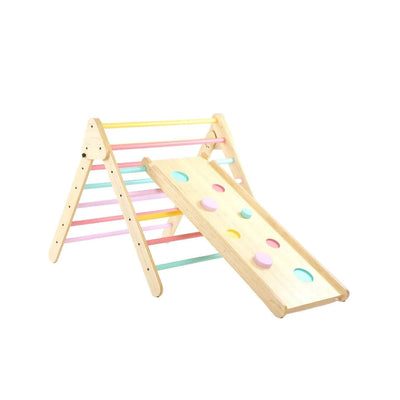
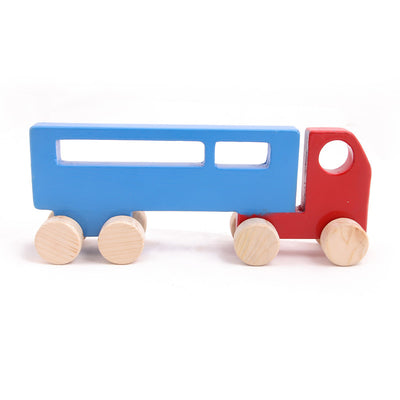
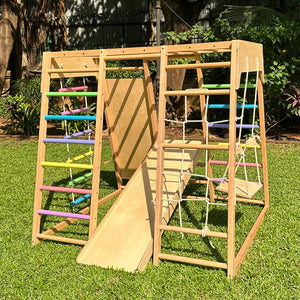
Practical Play Ideas: Set up a simple obstacle course using low cushions or logs to step over and around. Provide a sturdy gross motor pushing wagon for them to transport natural items like leaves or small stones. Introduce large, soft balls for kicking and throwing, enhancing eye-foot and eye-hand coordination. Simple, child-sized climbing structures or a small slide can also be excellent additions.
Preschoolers (3-6 years): Developing Coordination and Agility
Preschoolers are ready for more complex movements that require greater balance, agility, and planning. Montessori educational toys can be integrated into games that promote running, jumping, and precise movements. This age group thrives on purposeful activity that builds confidence and physical competence.
Practical Play Ideas: Create a nature-themed scavenger hunt, requiring running and bending to find specific items like a 'smooth pebble' or 'curly leaf'. Use chalk to draw lines and shapes for them to jump over, hop on one foot, or follow a path. Introduce beanbags or soft rings for throwing at targets, refining aim and motor control. A child-friendly skipping rope or small scooter can also be wonderful for developing rhythm and balance.
Early School-Agers (6+ years): Refining Skills and Team Play
As children enter their early school years, they begin to refine their gross motor skills and are often keen on more structured games and collaborative play. Outdoor gross motor activities for this age group can incorporate challenges and opportunities for social interaction. Authoritative sources confirm that collaborative play improves both physical and social intelligence.
Practical Play Ideas: Design a more elaborate outdoor obstacle course with tunnels, planks to balance on, and targets for throwing. Introduce traditional Indian outdoor games like 'kho-kho' or 'seven stones' (lagori), which are excellent for agility, speed, and teamwork. Encourage collaborative building projects with large, lightweight blocks outdoors, where children work together to lift, stack, and arrange, developing strength and cooperative skills. Even simple nature walks can become active explorations, counting steps, identifying trees, and navigating terrain.
Montessori Principles in Outdoor Gross Motor Activities
Maria Montessori herself advocated for children's deep connection with nature and the importance of movement. When we apply Montessori principles to outdoor gross motor play, we create a 'prepared environment' that is safe, stimulating, and respects the child's natural inclination to move and learn. This means offering freedom of movement, providing child-sized, real-world tools, and allowing ample time for uninterrupted, child-led exploration.
This approach transforms mere physical exercise into purposeful, self-directed learning. By using Montessori-aligned educational toys outdoors, parents in India can combat the 'more screens, less sunshine' dilemma and cultivate a generation of active, confident, and well-rounded children ready to thrive.
- Outdoor gross motor play with educational toys is crucial for children's holistic development, addressing physical, cognitive, and social needs.
- Integrating Montessori principles into outdoor activities promotes purposeful, child-led movement and exploration.
- Age-specific play ideas, from infant tummy time to school-age obstacle courses, ensure progressive skill development.
- Active outdoor engagement helps combat modern challenges like excessive screen time and Vitamin D deficiency in Indian children.
- Montessori educational toys provide the ideal tools for fostering balance, coordination, strength, and agility in natural environments.
- Creating a 'prepared outdoor environment' encourages children to freely move, explore, and learn at their own pace.
What is gross motor development in children?
Gross motor development refers to the growth and refinement of large muscle groups that control the body's movements like walking, running, jumping, and balancing. It is crucial for physical independence, coordination, and overall physical health in children.
How do Montessori educational toys support outdoor play?
Montessori educational toys are designed to be purposeful and child-led, encouraging active engagement and natural movement, which directly supports outdoor play. They promote exploration, problem-solving, and coordination in a prepared outdoor environment.
What are some simple outdoor gross motor activities for toddlers?
For toddlers, simple activities include walking on uneven surfaces, pushing a small trolley or wagon, climbing on low structures, and playing with large balls. These activities build balance, strength, and coordination effectively.
Why is outdoor play more important than ever for Indian children?
Outdoor play is crucial for Indian children today due to increased screen time and academic pressures, which can lead to Vitamin D deficiency and reduced physical activity. It fosters physical health, social skills, and cognitive development vital for holistic growth.
Can grandparents encourage outdoor gross motor play effectively?
Absolutely! Grandparents can play a vital role by taking children to parks, engaging them in traditional Indian games like kho-kho or gilli-danda, and simply supervising unstructured outdoor exploration. Their presence adds emotional security and encourages joyful movement.