Gross Motor Benefits of Playing in Dirt: Active Kids
Playing in dirt significantly enhances a child's physical development by offering numerous gross motor benefits of playing in dirt, crucial for coordination, balance, and strength. This active engagement with natural elements directly supports robust physical growth, a sentiment echoed by prominent figures like Zoho's Sridhar Vembu, who advocates for children to embrace outdoor exploration over excessive screen time. Research indicates that children regularly engaging in unstructured outdoor play demonstrate superior physical capabilities and healthier developmental trajectories compared to their less active peers.
Gross motor play in dirt involves children engaging with natural environments through activities like digging, climbing, throwing, and balancing. This matters immensely because it naturally develops large muscle groups, spatial awareness, and critical problem-solving skills, foundational for overall physical and cognitive growth. Indian parents can effectively facilitate this by providing safe, accessible outdoor spaces and simple tools for exploration, thereby fostering independence, resilience, and a love for nature.
The Sridhar Vembu Call: Why Active Outdoor Play Matters for Indian Children
In a recent, widely discussed statement, Zoho CEO Sridhar Vembu called for India to consider banning social media for young children, urging them instead to "read books and play in dirt." This timely intervention highlights a growing concern among Indian parents about excessive screen time and its impact on child development. News reports, such as "How smartphones are making your child obese" by The Times of India, further underscore the urgent need for a shift towards active outdoor play, addressing issues like childhood obesity and sedentary lifestyles prevalent in modern homes.
Child development experts agree that unstructured outdoor play, particularly in natural settings, is indispensable. It provides a vital antidote to the pressures of academic competition and the allure of digital devices that often consume children's time. For joint families across India, the shared joy of children playing together in a garden or park also strengthens family bonds and community spirit, encouraging social-emotional growth alongside physical development.
Developing Core Strength and Balance Through Natural Play
Engaging with dirt offers unparalleled opportunities for building core strength and enhancing balance, fundamental components of gross motor skill development. Activities like digging with shovels, carrying buckets of mud, or even squatting to examine insects demand significant use of abdominal and back muscles. These actions stabilise the trunk, improving posture and overall body control, which are vital for future physical activities and sports.
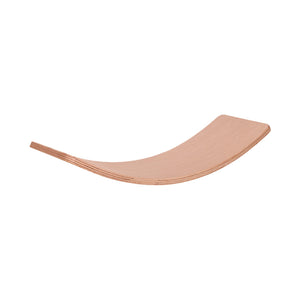
Furthermore, navigating uneven terrain, climbing over small mounds of earth, or balancing on logs strengthens ankles, knees, and hips while refining proprioception – the body's sense of its position in space. Montessori educational toys outdoor environments, though not strictly toys, provide rich sensory input and challenges. For enhancing these specific skills, parents can introduce gross motor skill toys like balancing beams or stepping stones, which complement natural dirt play by offering structured opportunities to practice balance and coordination.
Enhancing Coordination and Agility in the Great Outdoors
Playing in dirt is a natural masterclass in developing hand-eye and foot-eye coordination, alongside agility. When children throw mud, build sandcastles, or simply run through varying textures of soil, they are constantly calibrating their movements based on sensory feedback. The unpredictability of natural environments, unlike a flat playground, forces constant adaptation and quick reflexes, sharpening their agility.
These dynamic interactions improve motor planning and sequencing, allowing children to execute complex movements smoothly and efficiently. This translates directly into better performance in sports, improved handwriting, and enhanced daily functional skills. Incorporating Montessori learning materials that encourage manipulation and purposeful movement, even outdoors, can further refine these crucial aspects of development.
Boosting Endurance and Physical Stamina
Sustained periods of active outdoor play in dirt naturally boost a child's cardiovascular health and physical stamina. Activities such as running, jumping, hauling, and exploring over extended durations increase heart rate and improve lung capacity. This sustained physical effort is crucial for developing endurance, preventing fatigue, and fostering a healthy lifestyle from a young age, combating the rise of childhood obesity.
Child development research consistently shows that children who engage in active outdoor play for at least 60 minutes daily exhibit better cardiovascular fitness and overall health. For Indian children often facing demanding school schedules, dedicated time for active outdoor play is not a luxury but a necessity. It equips them with the physical resilience needed to tackle daily challenges, both academic and personal.
Montessori Educational Toys to Encourage Active Outdoor Exploration
While the purest form of dirt play requires minimal tools, certain Montessori educational toys can enrich the experience and extend learning. Tools like child-sized shovels, rakes, buckets, and magnifying glasses empower children to engage more deeply with their environment, aligning perfectly with Montessori principles of practical life and sensorial exploration. These tools are not just toys; they are instruments for purposeful work, encouraging focus and precision.
For parents seeking to encourage more dedicated outdoor engagement, Montessori educational toys outdoor options often include items that promote construction, measurement, and scientific observation. They transform simple dirt play into structured learning opportunities, nurturing a child's innate curiosity about nature. By providing these resources, we cultivate independent explorers who are actively learning through hands-on discovery, much like the famous Pink Tower helps build fine motor skills indoors, outdoor tools build gross motor skills outside.
- Playing in dirt significantly develops gross motor skills, enhancing coordination, balance, and strength.
- Unstructured outdoor play is crucial for combating issues like childhood obesity and excessive screen time, as highlighted by Sridhar Vembu.
- Activities like digging and navigating uneven terrain build core strength, improve posture, and refine proprioception.
- Dirt play naturally enhances hand-eye/foot-eye coordination and agility through dynamic, adaptable movements.
- Regular active outdoor play boosts cardiovascular health and physical stamina, essential for overall well-being.
- Montessori educational tools, like child-sized garden implements, empower purposeful outdoor exploration and skill development.
Why is playing in dirt particularly beneficial for gross motor skills?
Playing in dirt naturally presents varied textures and uneven surfaces, requiring children to constantly adapt their balance and movement. This engagement strengthens large muscle groups, improves spatial awareness, and enhances coordination in ways flat, structured environments cannot.
How does Montessori philosophy align with encouraging outdoor dirt play?
Montessori philosophy champions hands-on, experiential learning and a deep connection to nature. Dirt play offers authentic opportunities for practical life skills, sensorial exploration, and independent discovery in a natural environment, aligning perfectly with its core tenets of self-directed learning and respect for the child's innate curiosity.
What specific gross motor skills are most developed by playing in dirt?
Playing in dirt significantly develops core strength, balance, coordination, agility, and endurance. Activities like digging, climbing, running on uneven ground, and lifting natural objects specifically target these large muscle groups and movement patterns, crucial for overall physical development.
Are there specific Montessori educational toys that encourage active outdoor play?
Yes, Montessori-aligned outdoor toys include child-sized gardening tools like shovels, rakes, and watering cans, as well as natural materials for construction and sensory bins. These tools empower children to engage purposefully with nature, fostering independence, practical life skills, and a deeper understanding of their environment.
How can Indian parents safely encourage 'play in dirt' in urban settings?
Indian parents in urban settings can encourage safe dirt play by seeking out local parks with natural areas, creating small garden patches at home, or even designated "mud kitchens" on balconies. Ensuring the area is free from sharp objects, checking for cleanliness, and supervising children are key to providing a safe, enriching experience.