Homeschooling Curriculum India: Outdoor Play Guide
Integrating robust outdoor and gross motor play into your homeschooling curriculum in India is a definitive pathway to fostering holistic child development, preparing children not just for exams, but for life itself. This approach, championed by educational experts, ensures that physical activity isn't an afterthought but a cornerstone of learning. The idea that 'the playground could be the classroom children need most' (India Today) resonates profoundly, especially in an age dominated by screens and academic pressure.
What is Integrated Outdoor & Gross Motor Play in Homeschooling? Integrated outdoor and gross motor play in homeschooling involves purposefully incorporating physical activities and nature-based exploration into a child's daily learning schedule. This methodology transcends traditional academics, promoting physical health, sensory awareness, and cognitive development. Indian parents can weave this into their routine by leveraging local environments and designing active learning experiences at home.
Why Outdoor & Gross Motor Play is Essential for Indian Homeschooling
Child development experts agree that gross motor skills are the bedrock upon which all other learning, including fine motor and cognitive abilities, is built. Running, jumping, climbing, and balancing develop strength, coordination, and spatial awareness. Research from institutions like the Harvard Center on the Developing Child consistently highlights that active play improves executive functions — planning, problem-solving, and self-regulation — skills critical for academic success and lifelong learning.
Montessori education, with its deep respect for the child's natural developmental trajectory, inherently values movement and interaction with the environment. Maria Montessori observed that children learn best through active engagement and sensory experiences, often finding profound lessons in nature. For Indian families embracing homeschooling, this means viewing the local park, a community garden, or even a spacious balcony as extensions of the classroom.
In a world increasingly shaped by AI, where rote learning holds diminishing value, the capacity for creative problem-solving and resilience — often forged through unstructured outdoor play — becomes paramount. The Supreme Court's discussions on making sports a fundamental right for children (The Times of India) further underscore society's growing recognition of physical activity's importance, aligning perfectly with a well-rounded homeschooling approach.
Designing Your Montessori Homeschooling India Outdoor Curriculum
Creating a vibrant outdoor curriculum for Montessori homeschooling in India requires intention, not necessarily elaborate resources. Start by scheduling dedicated 'green time' daily. This could mean a morning walk around the neighbourhood, exploring a local botanical garden, or even active play in your building's society park. Encourage your child to observe, collect leaves, identify birds, and engage their senses.
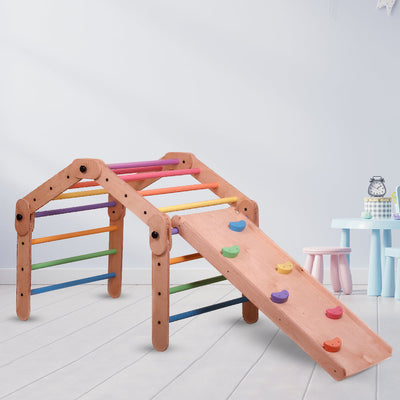
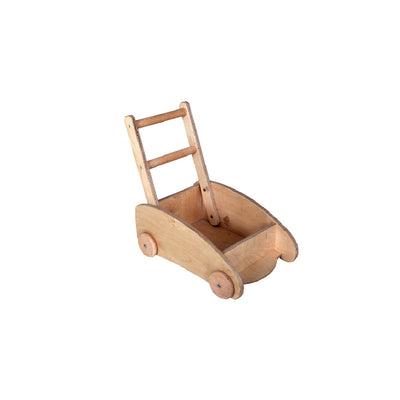
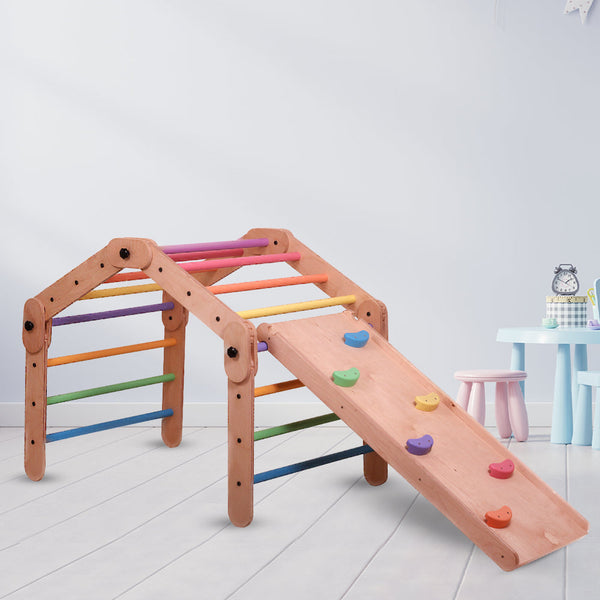
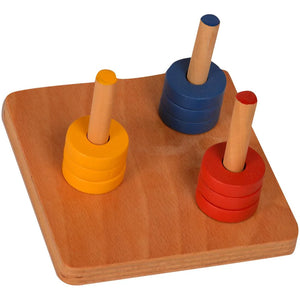
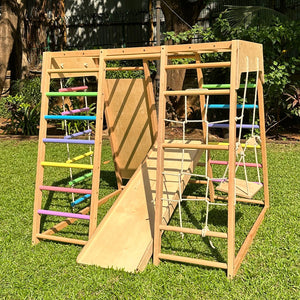
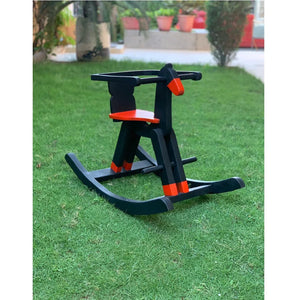
Introduce specific activities that promote gross motor skills homeschooling. For younger children (1-3 years), simple activities like pushing a trolley, rolling a ball, or walking on varied textures (grass, mud, sand) are invaluable. Older children (3-6 years) can benefit from climbing structures, balancing beams, or riding tricycles. Consider exploring SkilloToys' collection of gross motor skill toys that can transform any open space into a dynamic learning environment.
Embracing Gross Motor Skills Homeschooling Indoors for Urban Challenges
Urban living in India often presents challenges with limited outdoor space, especially for joint families in apartments. However, physical education homeschooling India can still flourish indoors. Design an 'indoor obstacle course' using cushions, tunnels, and low furniture for crawling, climbing, and jumping. Play energetic music for dance sessions, practice yoga for kids, or engage in active games like 'follow the leader' that require varied movements.
Even a small balcony can become a sensory garden with potted plants to water and care for, integrating practical life skills with outdoor exposure. A dedicated corner with a safe, sturdy Montessori learning material that encourages climbing or balancing can provide crucial physical outlets when outdoor access is restricted. The key is consistent opportunity for movement.
Physical Education Homeschooling India: More Than Just Exercise
Beyond building muscles and coordination, physical education homeschooling is a powerful tool for developing critical life skills. When a child navigates a muddy patch, figures out how to climb a tricky rock, or collaborates with a sibling to build a sandcastle, they are honing problem-solving, risk assessment, and cooperation. These experiences teach resilience — the ability to try, fail, and try again — far more effectively than any worksheet.
The gentle encouragement of grandparents, often a fixture in Indian joint families, can further enrich this play. Their stories, traditional games, and willingness to join in can turn a simple outdoor session into a culturally resonant learning experience. This informal mentorship often provides an invaluable layer of social-emotional development that complements the physical activity.
The Unseen Classroom: Nurturing Independence Through Outdoor Exploration
One of the profound, yet often overlooked, benefits of integrated outdoor play in homeschooling is the cultivation of genuine independence. In a world that often over-structures children's time and play, allowing them the freedom to explore, get dirty, assess their own risks (within safe boundaries), and navigate natural challenges empowers them deeply. This isn't about letting children run wild; it's about providing a 'prepared environment' — a core Montessori concept — where the child is free to choose, discover, and learn at their own pace, making their own mistakes and triumphs.
When a child chooses to spend an hour observing ants or attempting to balance on a fallen log, they are developing sustained attention and self-directed learning — skills that will serve them far beyond any academic subject. This kind of self-initiated play, often messy and unpredictable, is precisely where executive functions mature, fostering a self-reliant and adaptable learner ready for the complexities of tomorrow's world.
Embracing outdoor and gross motor play within your homeschooling curriculum in India isn't just about meeting physical development milestones; it's about nurturing a whole child. It's about giving them the freedom to discover, the space to move, and the joy of learning through their own energetic exploration. Prioritise this vital element, and watch your child flourish.