Montessori for Autism: Nurturing Sensory Needs
For Indian parents seeking effective ways to support their children with Autism Spectrum Disorder (ASD), understanding how Montessori for autism can nurture sensory development is crucial. This approach offers a structured, child-led environment that helps children with ASD regulate sensory input, fostering independence and calm. Research consistently shows that a predictable setting significantly aids children in processing the world around them.
Autism Spectrum Disorder (ASD) is a developmental condition characterized by challenges in social interaction, communication, and repetitive behaviors. For many children with ASD, sensory sensitivities – either over-responsiveness or under-responsiveness to stimuli – are a core feature. This matters because sensory experiences profoundly impact a child's ability to learn, play, and engage with their environment. Indian parents can empower their children by creating environments that respect and address these unique sensory needs.
The Montessori Approach: A Sensory Sanctuary for Children with ASD
Maria Montessori's philosophy, built on observation and respect for the child, naturally aligns with the needs of children with ASD. Her method emphasizes a 'prepared environment' that is orderly, engaging, and allows for self-directed learning. Child development experts agree that this structured freedom provides a sense of security and control, which is incredibly beneficial for children who often find the world overwhelming.
The Prepared Environment: Creating Calm in an Indian Home
Imagine a Bengaluru home where every toy has its place, and activities are laid out clearly on low shelves. This is the essence of a Montessori prepared environment. For a child with ASD, this order reduces visual clutter and decision fatigue, acting as a sensory haven. Just as initiatives like 'Umang Vatika' at Safdarjung Hospital create safe, structured play spaces for children with disabilities, parents can replicate this calm at home by decluttering and organizing their child's learning area.
A child's personal space should be predictable and inviting. This might mean having a designated 'shanti kshetra' (quiet corner) during family festivals like Diwali, away from the loud firecrackers, or a quiet space for focused play during the hustle and bustle of a joint family gathering. This deliberate design supports autism sensory development by minimizing unexpected stimuli.
Order and Routine: Predictability for Peace
Consistency is key for children with ASD. Montessori's inherent routine, where materials are used and returned to their place, provides a rhythm that children can anticipate and rely on. This predictability fosters a sense of security, reducing anxiety and promoting engagement. A daily routine – from morning chores to playtime with Montessori materials – helps build confidence and independence.
Montessori Toys for Autism: Targeted Sensory Play for ASD
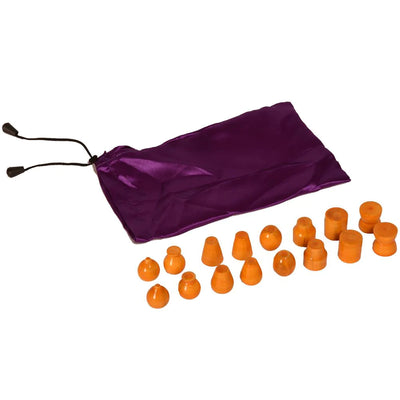
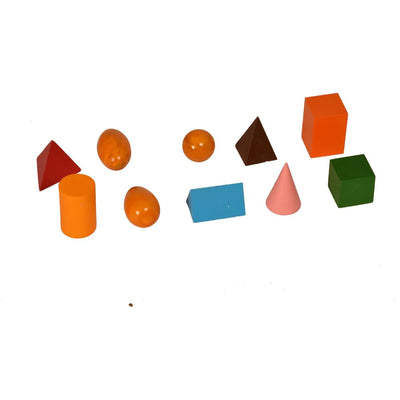
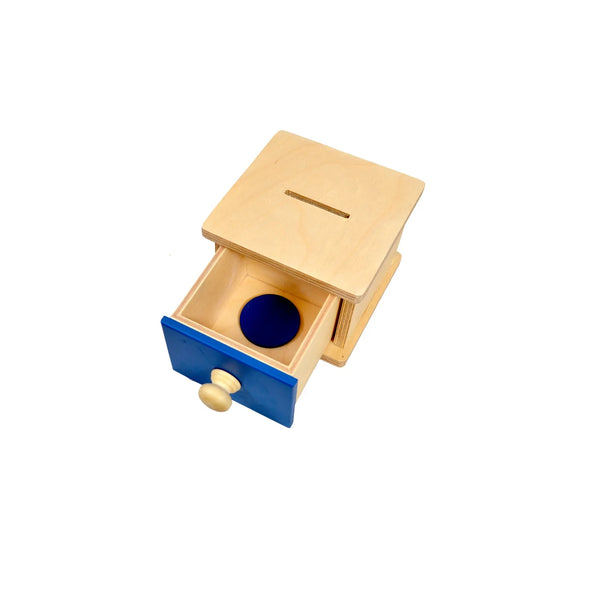
Montessori materials are designed to isolate one concept or sensory quality at a time, making them ideal for supporting specific sensory needs. These Montessori toys for autism offer focused input without overstimulation, allowing children to explore at their own pace.
Visual Stimulation: The Power of Contrast and Pattern
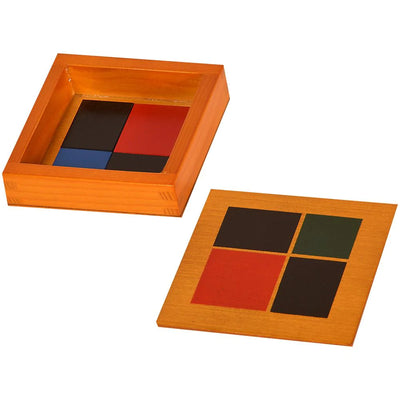
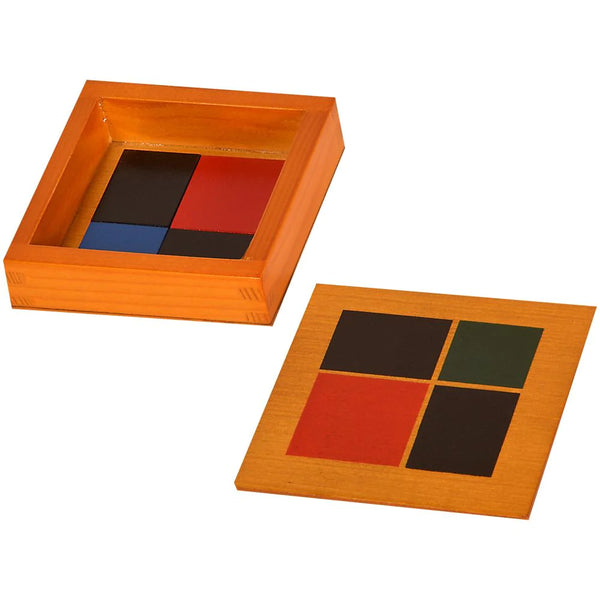
Many Montessori materials, such as the Pink Tower or Brown Stair, offer clear visual distinctions in size or color. These help children with ASD develop visual discrimination skills without overwhelming complexity. Similarly, puzzles with clear outlines or sorting activities using vibrant yet distinct colours can be highly engaging. Explore a range of activity kits that encourage visual sorting and pattern recognition.
Tactile Exploration: Hands-On Learning
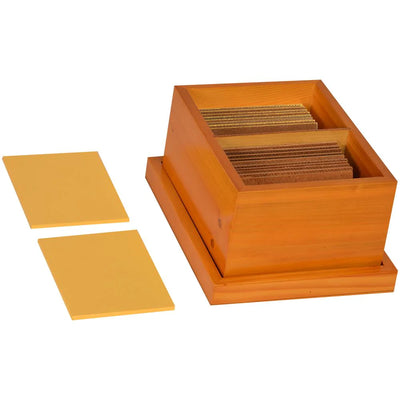
For children who are tactile seekers or avoiders, Montessori offers a spectrum of experiences. Sandpaper letters and numbers provide a unique texture, while water play or kinetic sand can offer calming deep pressure input. Simple activities at home, like sorting various types of pulses (dal) or feeling different fabric swatches, provide rich tactile experiences. This purposeful sensory play for ASD helps children process textures and develop fine motor skills.
Auditory Engagement: From Silence to Subtle Sounds
Montessori bells and sound cylinders are designed to teach auditory discrimination, encouraging children to focus on subtle differences in sound. This can be particularly beneficial for children with auditory sensitivities, helping them to tune into specific sounds rather than being overwhelmed by a cacophony. Creating quiet zones at home and using calming music during focused activities can also support auditory processing.
Proprioceptive and Vestibular Input: Movement and Body Awareness
Many children with ASD benefit from activities that provide proprioceptive (deep pressure) and vestibular (movement) input. Montessori practical life activities like carrying heavy trays, scrubbing surfaces, or pouring water offer opportunities for controlled movement and body awareness. Even simple actions like kneading dough for rotis or helping to carry groceries provide essential sensory feedback that helps children feel grounded and aware of their bodies in space.
Integrating Montessori at Home: Practical Steps for Indian Parents
The beauty of the Montessori approach is its adaptability. You don't need a dedicated classroom to implement its principles. As we observe World Autism Awareness Day in 2026, it's a good time for parents across India to reflect on how daily life can become a learning opportunity for their children with ASD.
Observing Your Child's Unique Sensory Profile
Every child with ASD is unique. One child might be highly sensitive to loud noises, while another craves deep pressure. Observing your child's reactions to different stimuli is the first step in supporting autistic child sensory needs. Does your child prefer soft textures or firm pressure? Do they seek out bright colours or shy away from them? Tailoring the environment and activities to their specific profile is crucial.
Crafting a 'Quiet Corner' (Shanti Kshetra)
In many Indian homes, finding a dedicated quiet space can be challenging, especially in joint families. However, even a small corner with a comfortable cushion, some sensory calming tools like a weighted blanket or fidget toys, and soft lighting can become a sanctuary. This designated spot offers a safe retreat when a child feels overstimulated, promoting self-regulation.
Simple Activities Using Everyday Items
Montessori principles thrive on practical life skills. In an Indian household, opportunities abound. Let your child help sort different kinds of rice or pulses, providing visual discrimination and fine motor practice. Preparing simple snacks like cutting vegetables with a child-safe knife (under supervision) enhances coordination and independence. These real-life activities offer meaningful, multi-sensory engagement that builds competence and confidence.
The Role of Awareness and Support in India
As India embraces greater awareness of ASD, initiatives like 'Varnakoodaram' in Palakkad, which focus on new approaches to early learning for children, highlight the growing recognition of diverse learning needs. SkilloToys, as India's leading Montessori educational toys store, is committed to providing resources and materials that empower parents to support their children's development. Understanding and celebrating the unique sensory world of children with ASD is a journey of patience, observation, and love.