How to Build Physical Resilience in Children: Montessori Outdoor Play
When considering how to build physical resilience in children, fostering foundational physical skills through active outdoor play is paramount. Research indicates that enabling children to 'learn to fall safely kids' is a critical developmental experience, directly addressing the urgent concern that many of India's children are now learning to scroll before they learn to tumble.
Physical resilience in children is the capacity to adapt, recover, and grow stronger from physical challenges and minor setbacks. This matters because it builds both physical strength and confidence, equipping them to navigate the world with greater self-assurance. Indian parents can proactively encourage this by integrating Montessori outdoor play into daily routines, fostering essential gross motor skill development outdoor play.
The Screen Time Challenge: Why Learning to Fall Safely Kids Need Outdoor Play
The rise of digital devices has inadvertently created a generation less accustomed to the physical rigours of childhood. The indiaherald.com article, ‘India's Children Are Learning to Scroll Before They Learn to Fall — What Happens When a Generation Skips Skinned Knees?’, accurately highlights this profound shift, emphasizing a crucial gap in physical development. This trend impacts more than just muscle strength; it diminishes children’s ability to gauge risk, recover from minor tumbles, and develop essential spatial awareness.
Furthermore, this increase in screen time impact on physical development is directly linked to other health concerns. India Today recently reported on ‘More screens, less sunshine: Why children are becoming vitamin D deficient’, a consequence of reduced outdoor exposure. Child development experts agree that consistent outdoor play is not just beneficial but absolutely necessary for a child's holistic growth, providing vital sunlight exposure and opportunities for unrestricted movement that cannot be replicated indoors.
Montessori Outdoor Play Benefits: Nurturing Gross Motor Skill Development Outdoor Play
Maria Montessori's philosophy extends far beyond the classroom, advocating for environments that encourage self-directed activity and practical life skills. Applied outdoors, Montessori principles transform nature into a grand ‘classroom’ where children can truly explore their physical capabilities. Studies indicate that children engaged in regular Montessori outdoor play demonstrate superior coordination, balance, and agility compared to their less active peers.
These natural settings provide endless opportunities for gross motor skill development. Activities like climbing on natural rocks, balancing on uneven surfaces, running freely, and digging in the mud all contribute to strengthening large muscle groups, improving proprioception, and enhancing motor planning. These experiences are fundamental to building a child’s physical confidence and competence, essential components of physical resilience.
Practical Ways to Build Physical Resilience in Children: Children's Physical Development Activities
Incorporating ‘children's physical development activities’ into daily life is simpler than you might think, even amidst the bustling schedules of Indian families. Start by prioritizing unstructured outdoor play — letting children simply be outdoors, without a rigid agenda. This could be a daily trip to the local park, an evening stroll in the neighbourhood garden with grandparents, or even just free play in the building’s common area.
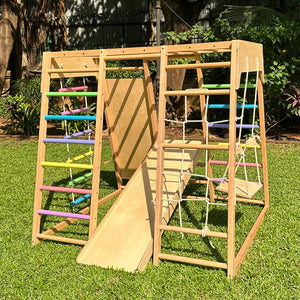
Encourage activities that involve varied movements: running, jumping, hopping, skipping, climbing, and crawling. These are the building blocks of physical resilience. For instance, creating a ‘mini obstacle course’ in your backyard – perhaps using cushions to jump over, ropes to step across, or a small stool to climb onto – can be incredibly effective. Teach children how to tuck and roll when they stumble, transforming a fall from a scare into a ‘learning to fall safely kids’ experience.
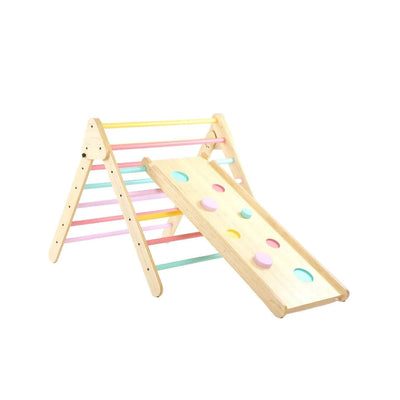
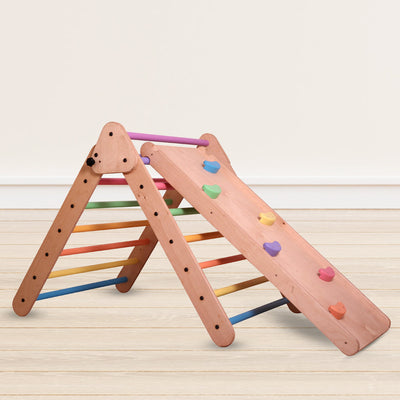
Incorporate Montessori-inspired tools to support these skills. While our Montessori materials are typically for indoor learning, the principles of self-correction and exploration translate beautifully to outdoor play. Think about simple materials like large blocks for stacking and climbing, or gardening tools for digging – these empower children to interact with their environment actively and purposefully, fostering genuine independence and strengthening their physical foundations.
- Physical resilience is crucial for children’s holistic development: It builds confidence and the ability to recover from minor physical challenges.
- Screen time negatively impacts physical development: It reduces opportunities for gross motor skill development, leading to poorer balance and physical strength.
- Montessori outdoor play offers unique benefits: It fosters self-directed exploration, leading to superior coordination, balance, and agility.
- ‘Learning to fall safely’ is a vital skill: It equips children with the ability to recover from tumbles, turning minor falls into learning experiences.
- Outdoor play combats health issues: Regular sunshine exposure helps prevent vitamin D deficiency and promotes overall physical well-being.
- Indian families can integrate simple outdoor activities: Daily park visits, gardening, and improvised obstacle courses build foundational physical skills.
What is physical resilience in children?
Physical resilience in children is the ability to recover quickly from physical challenges, minor injuries, and everyday tumbles, coupled with the confidence to try new physical activities. It encompasses strength, coordination, balance, and adaptability to different environments.
How does screen time impact a child's physical development?
Excessive screen time significantly reduces opportunities for active play, leading to decreased gross motor skill development, poorer balance, and reduced physical strength. It also contributes to issues like vitamin D deficiency and a lack of real-world problem-solving through movement.
What are the core benefits of Montessori outdoor play for physical skills?
Montessori outdoor play encourages self-directed exploration, allowing children to develop coordination, balance, and agility naturally through climbing, running, and jumping. It fosters independence, problem-solving, and a deep connection with nature, all while building strong gross motor skills.
At what age should I start encouraging outdoor physical play?
Outdoor physical play can begin as early as infancy with supervised tummy time on a mat outdoors, progressing to crawling and walking in safe, natural environments for toddlers. Child development experts recommend integrating outdoor play into a child's daily routine from a very young age.
How can I make outdoor play safe yet challenging for my child?
To make outdoor play safe yet challenging, ensure the environment is free from immediate hazards, but allow for supervised risks like climbing low structures or navigating uneven terrain. Focus on fostering confidence and teaching 'learning to fall safely kids' techniques, rather than eliminating all chances of a tumble.