Importance of Outdoor Play for Children India
For Indian parents, academic success and nourishing meals often top the priority list. However, research highlights that the importance of outdoor play for children India is equally vital for holistic development, a sentiment echoed by recent reports in The Times of India. This essential physical and mental engagement is not just 'extra-curricular' but a core pillar of childhood, providing critical benefits that formal education or nutrition alone cannot.
Outdoor play for children involves any unstructured, voluntary activity performed in an outdoor environment, from a neighbourhood park to a home garden. This matters because it directly impacts physical health, cognitive function, and emotional well-being. Indian parents can actively integrate daily outdoor time, ensuring their children develop crucial life skills and a strong connection to their surroundings.
Enhancing Physical Activity for Indian Children: Beyond Sedentary Lifestyles
Child development experts agree that consistent physical activity is non-negotiable for healthy growth, particularly for Indian children facing increasing urbanisation and academic pressures. Outdoor play provides a natural, enjoyable outlet for this, directly combating rising rates of childhood obesity and related health issues. Running, jumping, climbing, and cycling contribute to stronger muscles, bones, and improved cardiovascular health, setting a foundation for lifelong wellness.
Studies indicate that children engaging in regular outdoor play demonstrate better balance, agility, and coordination. This active engagement is especially important in joint family settings where multiple generations might encourage less physically demanding activities, making dedicated outdoor time even more critical. Prioritising outdoor play ensures children get the robust physical development necessary for their growing bodies.
Montessori Outdoor Play Importance: Nurturing Holistic Child Development
Maria Montessori's philosophy deeply values a child's interaction with their environment, making the montessori outdoor play importance undeniable. The natural world serves as a living classroom, offering endless opportunities for sensory exploration and practical life experiences. From digging in the mud to observing insects, children learn through direct engagement, developing curiosity and a scientific mindset.
This approach fosters independence and a sense of wonder. For instance, an 18-24 month old child exploring varied textures like grass and pebbles, or a five-year-old observing plant growth, is applying Montessori principles in a dynamic setting. These experiences build concentration, problem-solving skills, and a deep respect for nature, far beyond what materials like a pink tower or sandpaper letters can teach indoors.
Cognitive & Emotional Benefits of Outdoor Play for Kids
The benefits of outdoor play for kids extend significantly to cognitive and emotional development. Unstructured play in nature stimulates imagination and creativity, as children invent games, build imaginary worlds, and navigate challenges without adult-imposed rules. This process enhances critical thinking, decision-making, and innovative problem-solving abilities crucial for future academic and life success.
Emotionally, spending time outdoors reduces stress and anxiety, fostering a sense of calm and well-being. Exposure to natural light, as highlighted by India Today, can also protect children's eye health and improve sleep patterns. The freedom of open spaces allows children to regulate their emotions, develop self-confidence, and build resilience by overcoming minor physical challenges and navigating social interactions with peers. Engaging with nature, even in a small balcony garden or local park, provides a powerful antidote to modern stressors.
Screen Time Alternatives for Kids: The Great Outdoors
In an age dominated by digital devices, finding effective screen time alternatives for kids is a pressing concern for Indian parents. Outdoor play offers a vibrant, engaging solution that naturally pulls children away from screens. Instead of passive consumption, children become active participants in their environment, engaging all their senses and bodies.
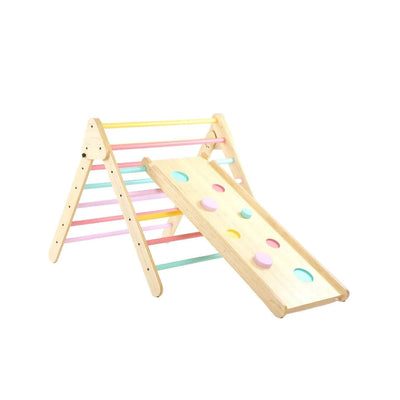
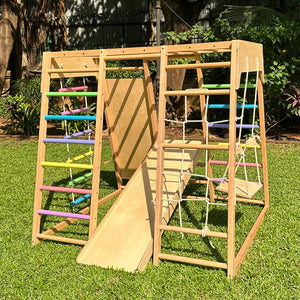
Encouraging activities like cycling, playing hopscotch, or simply exploring a neighbourhood park during festivals or family gatherings can become cherished traditions. These interactions provide rich sensory input and foster genuine social connections, offering a much more enriching experience than any digital game. Investing in engaging outdoor toys, like those found in the Gross Motor Skill collection at SkilloToys, can further motivate children to step outside and play actively.
Cultivating Social Skills and Resilience in Nature
Outdoor environments naturally facilitate the development of crucial social skills. Children learn to negotiate, share, cooperate, and resolve conflicts as they play together in unstructured settings. Whether it's taking turns on a swing, collaborating to build a sandcastle, or navigating group games, these interactions are vital for social intelligence and empathy.
Moreover, outdoor play builds resilience. Falling, getting dirty, and encountering unpredictable elements of nature teach children to adapt, problem-solve, and bounce back from minor setbacks. This experiential learning fosters independence and a can-do attitude, essential qualities for navigating the complexities of life in a diverse society like India. Encouraging adventurous play, perhaps with a focus on activities that develop gross motor skills, is crucial for developing robust, confident individuals.
- The importance of outdoor play for children in India rivals academic and nutritional priorities for holistic development.
- Regular outdoor physical activity is crucial for combating childhood obesity and enhancing cardiovascular, bone, and muscle health.
- Montessori principles are deeply aligned with outdoor play, fostering sensory exploration, independence, and a connection to nature.
- Outdoor play significantly boosts cognitive functions like creativity, problem-solving, and critical thinking.
- Engaging in outdoor activities serves as a powerful and healthy alternative to excessive screen time for children.
- Social skills, emotional regulation, and resilience are naturally developed through unstructured play in outdoor environments.
Why is outdoor play as crucial as study for Indian children?
Outdoor play provides essential physical activity, sensory stimulation, and social development opportunities that academic learning alone cannot offer. It builds crucial life skills like problem-solving, resilience, and creativity, complementing classroom education for a well-rounded individual.
What are the key benefits of outdoor play for kids' health?
Outdoor play significantly boosts physical health by reducing obesity risks, strengthening bones and muscles, and improving cardiovascular fitness. It also supports eye health, reduces stress, and enhances sleep quality, contributing to overall well-being.
How does outdoor play contribute to child development?
Outdoor play is fundamental for cognitive, emotional, and social development. It fosters curiosity, critical thinking, and imagination, while also improving gross motor skills, coordination, and balance. Children learn to negotiate, cooperate, and manage emotions in natural settings.
Can Montessori principles be applied to outdoor play?
Yes, Montessori principles like freedom of movement, exploration, and connection with nature are perfectly aligned with outdoor play. Providing a prepared outdoor environment encourages independent discovery, sensory learning, and practical life skills development in a natural setting.
What are effective screen time alternatives for kids using outdoor play?
Effective screen time alternatives through outdoor play include nature walks, gardening, building forts, exploring parks, or simply unstructured free play in a safe open space. These activities engage children's senses and bodies, offering rich, hands-on learning experiences away from digital screens.