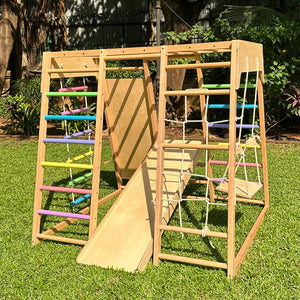
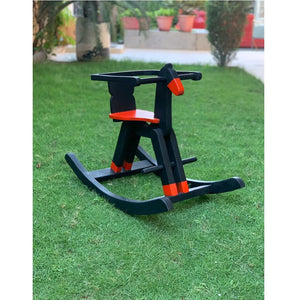
Importance of Outdoor Play for Indian Kids' Holistic Growth
For Indian children today, the importance of outdoor play for children transcends mere recreation; it is as fundamental to their holistic growth as nutritious meals and diligent study. With increasing screen time and the relentless pressure of academics, studies, including recent insights from The Times of India and India Today, highlight a worrying trend: rising myopia and vitamin D deficiency. This makes prioritizing outdoor play not just beneficial, but a critical necessity for every child's physical, mental, and emotional well-being.
At SkilloToys, we champion the Montessori philosophy, recognizing that true development flourishes when children are free to explore, move, and discover. Just as our grandparents encouraged us to run barefoot in the fields, modern Indian parents must embrace the outdoors as an essential classroom.
Outdoor play is any unstructured, self-directed activity engaged in natural or semi-natural environments, from parks to backyards. This matters because it fosters physical health, cognitive development, and emotional resilience in ways indoor activities cannot. Indian parents can integrate short, regular outdoor sessions into their children's daily routine, fostering a love for movement and nature.
Balancing Screens and Sunshine: The Montessori Approach
In the digital age, striking a balance between virtual engagement and real-world exploration is a constant challenge for Indian families. Maria Montessori firmly believed in learning through experience, emphasizing that direct interaction with the environment is paramount for a child's development. This perspective highlights that outdoor play is not a break from learning, but an integral part of it.
Child development experts agree that while screens offer educational content, excessive use contributes to issues like Vitamin D deficiency and digital eye strain, as reported by Healthcare Radius regarding rising myopia in Indian children. Shifting focus to outdoor time naturally addresses these concerns. Integrating a daily 'sunshine break' before or after school can significantly impact a child's health and learning readiness.
Essential Outdoor Play: Nurturing Strong Bodies and Sharp Minds
The benefits of essential outdoor play extend far beyond just physical exercise. When children climb, run, jump, and balance, they are actively developing crucial gross motor skills. These foundational movements are vital for coordination, spatial awareness, and even future academic success, as a well-developed body supports a well-functioning brain.
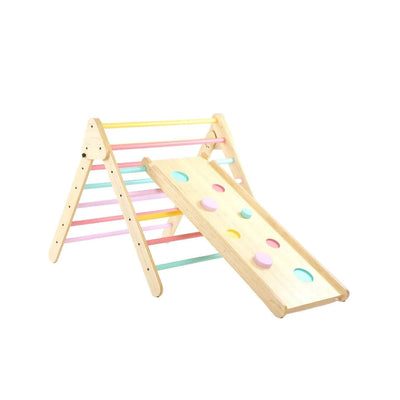
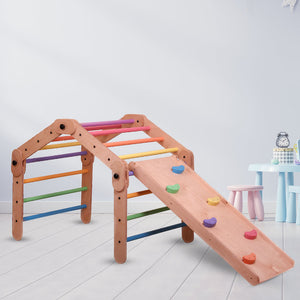
Research shows that children who engage in regular outdoor activities exhibit improved cardiovascular health, stronger immune systems, and better sleep patterns. For parents in Bengaluru seeking to encourage this development, SkilloToys offers a range of gross motor skill toys and equipment designed to make active play both fun and educational, even in urban settings. Moreover, studies indicate that exposure to natural light and outdoor environments can significantly reduce the risk of myopia, a growing concern among Indian children.
Holistic Child Growth: Beyond Academics and Indoors
Outdoor play is a powerful catalyst for holistic child growth, fostering emotional intelligence, social skills, and creativity. Away from structured environments, children learn to negotiate, share, resolve conflicts, and collaborate with peers – skills that are invaluable in joint family settings and future community life. The unstructured nature of outdoor play allows for imaginative scenarios, where a tree stump becomes a mountain and a puddle a vast ocean.
This freedom to create and explore builds resilience and problem-solving abilities. When a child falls and gets up, or figures out how to cross a stream using available stones, they develop confidence and an 'I can do it' attitude. These experiences are fundamental to a balanced personality, reducing stress and anxiety in an increasingly competitive world.
Connecting with Nature: A Bengaluru Child's Right
For children growing up in bustling Indian cities like Bengaluru, maintaining a connection with nature is more vital than ever. Outdoor environments provide unparalleled sensory experiences – the smell of wet earth after monsoon, the feel of rough bark, the sound of birdsong. These sensory inputs are crucial for brain development, especially for toddlers and preschoolers (18-24 months).
Maria Montessori often spoke of the child's 'absorbent mind,' constantly taking in impressions from the environment. Nature offers an endlessly rich and stimulating environment, fostering a sense of wonder and respect for the world. Simple activities like observing insects, planting seeds, or collecting leaves become profound learning experiences. SkilloToys supports this exploration with Montessori learning materials that complement outdoor discoveries, like magnifying glasses or nature classification cards, deepening their understanding.
Prioritizing Play: A Path to Healthier, Happier Kids
As Indian parents, our aspirations for our children often lean heavily towards academic excellence. However, the true measure of success lies in raising well-rounded, resilient, and joyful individuals. Embracing the importance of outdoor play for children is a commitment to this broader vision of childhood. It's about providing opportunities for spontaneous joy, fostering a deep connection with nature, and ensuring they grow into healthy, balanced adults.
Let's make outdoor play as non-negotiable as meals and homework, creating a generation of Indian children who are not only intelligent but also robust, creative, and deeply connected to the world around them. SkilloToys believes in empowering children through purposeful play, both indoors and out.
- The importance of outdoor play for children is as crucial as nutrition and academics for holistic development.
- Outdoor play combats rising health concerns like Vitamin D deficiency and myopia in Indian children.
- Maria Montessori's philosophy emphasizes direct environmental interaction for true learning and growth.
- Engaging in essential outdoor play builds vital gross motor skills, coordination, and physical health.
- Unstructured outdoor time fosters critical social skills, emotional resilience, and creative problem-solving.
- Connecting with nature through outdoor activities provides rich sensory experiences crucial for cognitive development.
How much outdoor play do Indian children need daily?
Child development experts recommend that children aged 3-5 years get at least 60 minutes of unstructured outdoor play daily, while older children should aim for 90 minutes or more. This duration helps in physical activity, Vitamin D synthesis, and mental well-being, crucial amidst urban lifestyles.
What if we live in an apartment with no access to a garden?
Even without a private garden, Indian parents can prioritize outdoor play by utilizing local parks, community grounds, or even large balconies for active movement. Regular trips to nearby nature spots like lakes or botanical gardens, even on weekends, significantly contribute to a child's essential outdoor experiences.
How can I balance outdoor play with academic pressure in India?
Balancing academics and play involves integrating outdoor time as a non-negotiable part of the daily routine, rather than an afterthought. Maria Montessori advocated for education through experience, suggesting that outdoor learning can actually enhance concentration and problem-solving skills, making study time more effective.
Is outdoor play safe in Indian cities like Bengaluru?
Safety is a valid concern for parents in Indian cities. Choosing well-maintained parks, supervising children closely, and teaching them about environmental awareness (like not touching unknown plants) are key. Many communities now offer designated safe play zones or organized outdoor activities designed for urban children.
Does outdoor play really help with academic performance?
Research indicates a strong correlation between regular outdoor play and improved academic outcomes. Children who spend time outdoors develop better focus, problem-solving abilities, creativity, and reduce stress, all of which positively impact their ability to learn and perform in school.