Indoor Gross Motor Activities High AQI India
When high AQI levels necessitate indoor confinement for children across India, ensuring their physical activity remains a top priority for parents. Engaging in a variety of indoor gross motor activities high AQI India is crucial for continuous physical and cognitive development, preventing sedentary habits and promoting holistic well-being despite environmental challenges.
Gross motor play involves using large muscle groups for movement and coordination, encompassing activities like running, jumping, climbing, and balancing. This matters immensely because it builds strength, agility, balance, and proprioception—essential foundations for all future learning and physical health. Indian parents can actively foster these skills indoors, transforming their living spaces into dynamic learning environments.
Protecting Children's Health: Why Indoor Play is Crucial During High AQI
The alarming rise in air pollution across Indian cities, particularly with AQI levels frequently soaring to 'severe plus' in regions like Delhi-NCR, poses a significant threat to children's health. The Times of India reported that CAQM has suspended all outdoor sports during such periods, highlighting serious health risks for children. This makes finding safe, effective alternatives for physical activity an urgent necessity for every Indian family.
Research shows that prolonged exposure to high AQI can lead to respiratory issues, developmental delays, and decreased physical stamina in children. Therefore, proactive indoor gross motor engagement becomes a vital shield, ensuring children continue to build robust bodies and minds without compromising their health. Child development experts agree that consistent physical activity is non-negotiable for healthy growth.
Montessori Principles for Dynamic Indoor Movement
Maria Montessori's philosophy deeply emphasizes the integral connection between movement and learning. She believed that children learn by doing, and purposeful movement is central to developing concentration, coordination, and independence. This principle holds immense value for indoor gross motor activities, transforming limited spaces into rich arenas for exploration.
Creating a 'prepared environment' indoors, even in a bustling Indian joint family home, means making safe spaces accessible for children to move freely. This doesn't require elaborate setups but rather a thoughtful arrangement of existing furniture and the introduction of child-friendly, safe equipment. Such an environment empowers children to follow their innate drive to move, crucial for their physical and mental well-being.
Engaging Physical Activities for Kids Indoors: Age-Wise Guide
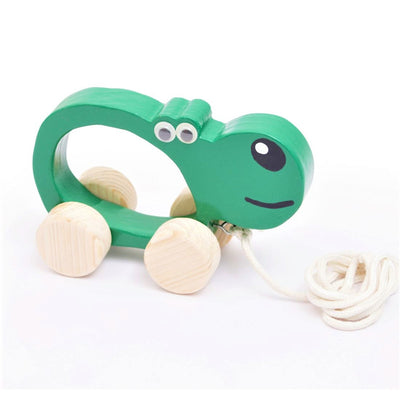
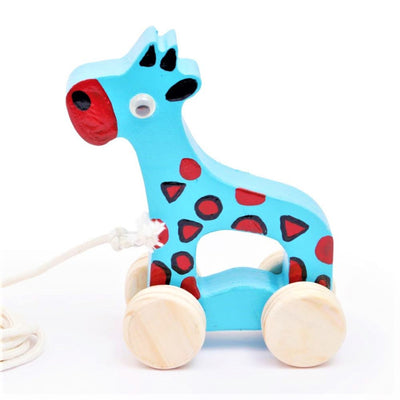
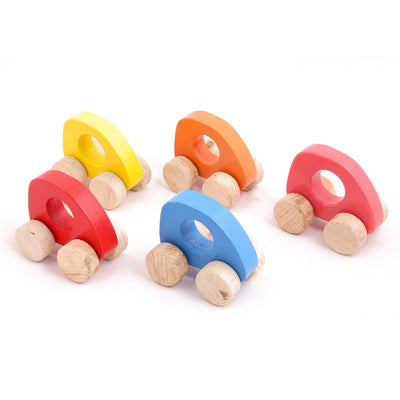
Finding the right indoor gross motor activities that are both fun and developmental is key. SkilloToys offers a wide range of gross motor skill toys designed to encourage active play. Here’s how you can tailor activities for different age groups, focusing on physical activities for kids indoors.
Toddlers (1-3 years): Exploring Movement
Toddlers are natural explorers, eager to master new physical feats. Simple activities like crawling through fabric tunnels made from dupattas or blankets, pushing and pulling light chairs, or building soft block towers to knock down are fantastic. Introduce a low balance beam using painter's tape on the floor, encouraging tiny steps and building confidence. Musical movement, dancing to upbeat Bollywood or folk tunes, is also a great way to engage their whole body.
Preschoolers (3-5 years): Building Skills
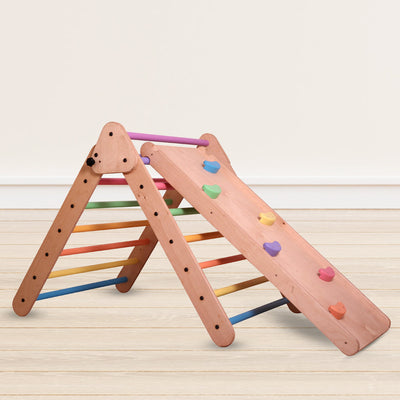
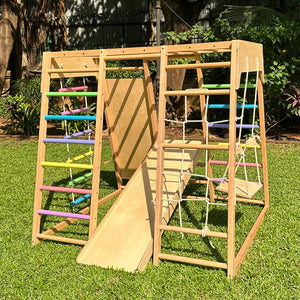
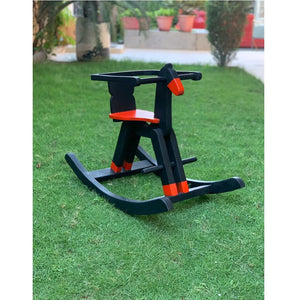
Preschoolers are ready for more structured movement challenges. Set up a simple indoor obstacle course using cushions to climb over, pillows to jump on, and a skipping rope laid flat for them to walk along. Encourage animal walks – bear crawls, crab walks, or frog jumps – which strengthen different muscle groups. For developing crucial balance and coordination, consider a child-sized indoor slide or a rocking boat, available in the broader Montessori collection at SkilloToys.
Early School-Age (5-8 years): Structured Fun
Children in this age group enjoy activities with rules and challenges. Indoor scavenger hunts that require jumping, ducking, and climbing over obstacles keep them engaged. Yoga for kids, with its animal poses and breathing exercises, is excellent for strength, flexibility, and calm. Organize a 'dance party' with energetic music or try active indoor games like 'Simon Says' or 'Follow the Leader' to hone their listening and motor skills. These alternatives to outdoor play bad air quality are vital for sustained physical health.
Creating a Safe & Stimulating Indoor Play Environment
Transforming a living space into a safe zone for children's health AQI solutions requires a bit of foresight. Clear any fragile items, sharp objects, or loose rugs that could cause trips. Lay down mats or carpets for cushioning during falls, especially in areas where jumping or climbing is encouraged. A designated corner, even a small one, can become a child's 'activity zone.'
Encourage independence by setting up materials they can access and put away themselves, fostering a sense of responsibility and self-direction, hallmarks of Montessori education. The focus should be on creating an inviting space where movement is celebrated, not restricted. This thoughtful approach helps children remain physically active and mentally engaged despite environmental limitations.
Balancing Screen Time with Active Indoor Play: An Indian Parent's Dilemma
In contemporary Indian households, balancing children's screen time with active play is an ongoing challenge, especially when outdoor options are limited. A recent Hindustan Times article discussed recommended screen times for various age groups, highlighting concerns about children playing video games all day. While screens can offer temporary engagement, they cannot replace the developmental benefits of physical movement.
Studies indicate that excessive screen time negatively impacts children's attention span, sleep quality, and physical health. Parents should consciously limit screen exposure and actively facilitate engaging indoor gross motor activities. Setting a routine that allocates dedicated time for active play, involving grandparents or older siblings in games, and participating as a family can make a significant difference, nurturing both physical health and strong family bonds.
By embracing these thoughtful and creative indoor gross motor activities, Indian parents can effectively mitigate the impact of high AQI on their children's physical development. Prioritizing consistent movement, even within the confines of home, ensures children grow into strong, agile, and well-rounded individuals, ready to face the world with resilience and joy.
- High AQI significantly impacts children's physical activity levels, necessitating safe indoor alternatives.
- Engaging in indoor gross motor activities is crucial for continuous physical and cognitive development in children.
- Maria Montessori's pedagogy emphasizes movement as fundamental to learning and overall child development.
- Creating a 'prepared environment' indoors, with safe and accessible spaces, encourages children's independent physical exploration.
- Age-appropriate indoor activities, from crawling for toddlers to obstacle courses for school-age children, ensure comprehensive physical development.
- Balancing screen time with active indoor play is critical for preventing sedentary habits and promoting holistic health among Indian children.
What specific indoor gross motor activities are best for toddlers when AQI is high?
For toddlers, activities like crawling through fabric tunnels, soft block stacking and knocking down, or dancing to music are excellent. These engage large muscle groups and require minimal space while promoting balance and coordination.
How can I make indoor play safe and engaging for my child?
Ensure a clear, clutter-free space with soft surfaces or mats for landings. Use child-safe, non-toxic materials and encourage open-ended play with items like cushions, blankets, and designated gross motor toys from SkilloToys to spark creativity.
What are the long-term benefits of regular gross motor activities for children?
Regular gross motor activities build strong bones and muscles, improve coordination, balance, and spatial awareness. They also contribute significantly to better cognitive function, emotional regulation, and social skill development, laying a strong foundation for overall well-being.
How does Montessori philosophy support indoor gross motor development?
Montessori emphasizes a 'prepared environment' that encourages free movement and purposeful activity. It suggests providing child-sized furniture and specific materials that naturally invite children to climb, balance, and explore their physical capabilities independently and safely indoors.
Is screen time ever acceptable for physical activity when outdoor play is impossible?
While active screen time, like dance-along videos, can offer some movement, it should be limited and balanced with non-screen activities. Child development experts recommend minimizing screen time, especially for young children, to encourage more varied and imaginative physical play.