Montessori Nature-Based Learning India: Holistic Child Development
Montessori nature-based learning in India offers a profound pathway to nurturing curious, resilient, and well-rounded children, a vision gaining critical importance today. This approach champions outdoor exploration and hands-on engagement with nature as foundational to holistic development, moving beyond rote learning and confined spaces. As an Indian man in Norway recently highlighted for The Economic Times, true early education embraces muddy hands, wild curiosity, and nature's boundless classroom.
Montessori nature-based learning is an educational philosophy that prioritizes direct interaction with the natural world to foster a child's intrinsic curiosity and developmental growth. This matters because it cultivates independence, concentration, and a deep respect for the environment, skills crucial for a child's future. Indian parents can integrate this by creating opportunities for outdoor play and exploration in their daily routines.
Reclaiming Childhood: The Montessori Vision for Outdoor Learning in India
Maria Montessori, a pioneer in early childhood education, firmly believed that children thrive when given freedom to explore and learn from their environment. For Indian children, often navigating busy urban landscapes or academic pressures from a young age, this vision of an outdoor classroom is more vital than ever. It encourages a return to the roots of childhood – active discovery, sensory engagement, and a profound connection with the natural world around them.
Child development experts agree that a childhood steeped in nature builds a stronger foundation for lifelong learning. It’s a powerful antidote to the growing concerns around screen time and sedentary lifestyles impacting Indian children, as recent reports in India Today and The Times of India have highlighted. Instead of screens, imagine children engrossed in the vibrant biodiversity of an Indian garden or a local park.
Holistic Child Development India Through Nature's Classroom
Engaging with nature is not just about fun; it's a cornerstone for holistic child development India. Outdoor environments naturally stimulate all senses – the scent of wet earth after a monsoon shower, the texture of tree bark, the vibrant colours of a gulmohar tree, and the sound of birdsong. This rich sensory input is critical for cognitive development, language acquisition, and problem-solving skills, preparing children for complex challenges ahead.
Furthermore, nature play significantly boosts physical health and emotional well-being. Regular exposure to sunlight naturally increases Vitamin D levels, a growing concern for many Indian children spending more time indoors. The open-ended nature of outdoor play reduces stress, encourages creativity, and provides opportunities for children aged 18-24 months and older to develop emotional regulation through imaginative play and collaboration.
Early Childhood Education Outdoor India: Beyond the Four Walls
For early childhood education outdoor India, the possibilities extend far beyond a traditional playground. Montessori principles advocate for thoughtfully prepared environments, whether it’s a small balcony garden, a community park, or even a safe courtyard within a joint family home. These spaces become living classrooms where children can freely move, observe, and interact, fostering independence and confidence.
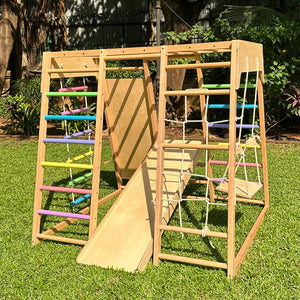
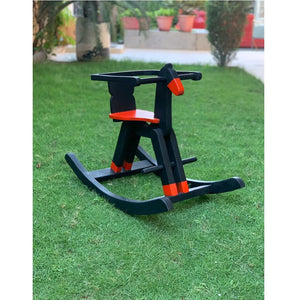
Studies indicate that children who engage in regular outdoor play demonstrate improved attention spans and better concentration, essential skills for future academic success. Activities like climbing, balancing, and running are invaluable for developing gross motor skills. SkilloToys offers a range of gross motor skill development toys that can complement these outdoor adventures, enhancing coordination and physical strength.
Practical Montessori Outdoor Classroom Ideas for Indian Homes
Integrating Montessori outdoor classroom ideas into an Indian context is both achievable and rewarding. Consider creating a 'nature basket' where children collect leaves, flowers, stones, or seeds during walks in the neighbourhood or even from a terrace garden. Encourage water play in a tub during hot Bengaluru afternoons, or involve children in simple gardening tasks like planting coriander or curry leaves with their grandparents.
Simple observation activities, like watching ants march or birds build nests, foster patience and scientific curiosity. Even traditional Indian games played outdoors, like 'pakadam pakdai' (tag) or 'gilli-danda', inherently support Montessori's emphasis on free movement and problem-solving. These experiences offer tangible, real-world learning that no screen can replicate. Explore our Montessori method learning materials to see how they can extend these natural explorations.
The Tangible Benefits of Nature Play Early Childhood for Indian Children
The benefits of nature play early childhood are well-documented and profoundly impact a child's development. Research consistently shows that spending time in nature boosts cognitive function, enhances creativity, and improves social skills. For instance, open-ended outdoor play encourages children to negotiate, share, and collaborate, vital social competencies for navigating diverse communities in India.
Furthermore, nature play has a significant positive impact on physical health. Regular outdoor activity helps combat the rising rates of childhood obesity and related health issues, providing opportunities for robust exercise that strengthens muscles, bones, and the cardiovascular system. It also instils a sense of wonder and respect for the environment, laying the groundwork for future environmental stewardship – a crucial lesson for the next generation.
- Montessori nature-based learning in India is crucial for holistic child development, moving beyond conventional indoor education.
- Direct engagement with nature addresses contemporary Indian concerns like increased screen time and declining physical activity.
- Maria Montessori's philosophy advocates for outdoor environments as essential learning spaces, fostering independence and sensory exploration.
- Outdoor play significantly boosts physical health, enhances cognitive skills, and promotes emotional well-being in children.
- Integrating nature activities like gardening or collecting natural objects provides practical, culturally relevant learning opportunities for Indian families.
- Children engaging in regular nature play exhibit improved attention, creativity, and vital gross motor skill development.
Embracing Montessori's vision for nature-based learning is a powerful step towards nurturing truly holistic, curious, and resilient children in India. By stepping outside, allowing for muddy hands, and encouraging wild curiosity, we equip our children with invaluable skills for a vibrant future. Let's make every outdoor moment a learning opportunity, right here in our incredible country.
Why is nature play crucial for holistic development in Indian children?
Nature play is crucial because it provides unparalleled sensory stimulation, fosters physical activity, and encourages problem-solving skills, which are often limited in indoor or screen-based environments. For Indian children, it offers a vital balance against increasing academic pressures and urban living, nurturing their innate curiosity and resilience.
How does Montessori integrate nature into early childhood learning?
Montessori integrates nature by providing children with direct, hands-on experiences in natural settings, encouraging observation, exploration, and care for the environment. This approach views the outdoors as an extension of the classroom, where children can engage with elements like gardening, water play, and observing flora and fauna, fostering a deep connection to the natural world.
What are simple Montessori outdoor activities for toddlers in an Indian home setting?
Simple outdoor activities for toddlers include observing insects in a garden, watering plants with a small pitcher, collecting leaves and pebbles, or engaging in sand and water play in a designated area. These activities, often supervised by grandparents, foster sensory exploration, develop gross motor skills, and connect children to their immediate environment.
Can outdoor play help combat screen addiction and childhood obesity in India?
Yes, outdoor play significantly helps combat screen addiction and childhood obesity by providing engaging, active alternatives to sedentary digital activities. Research shows that children who spend more time outdoors are more physically active, experience less screen dependency, and develop healthier habits crucial for lifelong well-being, addressing concerns highlighted by India Today and The Times of India.
What role do gross motor skills play in nature-based learning?
Gross motor skills are foundational in nature-based learning, as outdoor environments naturally encourage running, jumping, climbing, balancing, and throwing. These movements strengthen large muscle groups, improve coordination, and enhance spatial awareness, all vital for overall physical development and a child's confidence in navigating their world.