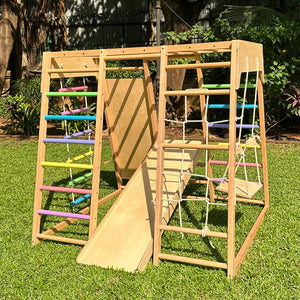
Montessori Nature Play India: Muddy Hands, Wild Hearts
Montessori nature play in India is essential for cultivating resilient, curious, and well-rounded children, offering a crucial balance to academic demands and screen time. It provides invaluable opportunities for physical, cognitive, and emotional development through direct engagement with the natural world, a concept championed by the recent discussions around early education.
This approach nurtures a child's inherent drive to explore, discover, and learn by doing, aligning perfectly with Montessori principles. Indian parents, striving for holistic growth, can harness the power of nature to foster independence and a lifelong love for learning in their little ones.
Montessori Nature Play India: Nurturing Wild Curiosity
Montessori nature play is a child-led, experience-based approach that connects children with the natural world through sensory exploration and unstructured outdoor activities. This matters immensely because direct interaction with nature is vital for holistic development, improving physical health, cognitive skills, and emotional well-being. Indian parents can facilitate this by providing safe, accessible outdoor environments and encouraging hands-on, 'messy' engagement with natural elements.
Research consistently shows that children who spend more time outdoors exhibit better problem-solving skills and creativity. For Indian families, where access to green spaces can sometimes be limited, even a balcony garden or a trip to a local park can become a rich environment for gross motor skill development and scientific inquiry.
Muddy Hands Play Benefits: A Treasure Trove of Development
Embracing 'muddy hands' play might seem daunting for some Indian parents, but its developmental benefits are profound and well-documented. Child development experts agree that allowing children to dig in the soil, play with water, and get messy fosters sensory integration, fine motor skills, and a strong immune system. This kind of tactile exploration is crucial for building neural pathways.
These experiences provide children with rich sensory input, far more diverse and stimulating than any indoor activity. From the cool feel of damp earth to the smell of fresh leaves after rain, every interaction builds their understanding of the world around them. Moreover, outdoor play inherently builds resilience and confidence as children navigate natural obstacles.
Wild Curiosity & Children's Nature Connection
A child's innate curiosity is best sparked when given the freedom to explore without rigid instruction. Montessori philosophy emphasizes following the child, and nature provides the ultimate classroom for this. When children are allowed to choose their activities—whether it's observing ants, collecting pebbles, or making mud pies—they develop a deeper connection to nature and a natural inclination towards scientific inquiry.
This unstructured play, particularly important in an educational system often focused on rote learning, allows children to ask their own questions and seek their own answers. It's about letting them wonder, 'Why is this leaf shaped like this?' or 'How does this stream flow?', fostering independent thought and observation skills.
Outdoor Sensory Play India: Engaging All the Senses
Our busy urban lives often limit children's access to varied sensory experiences. Outdoor sensory play in India addresses this directly, offering a rich tapestry of sights, sounds, smells, and textures that stimulate development. Think of the vibrant colours of a marigold, the rustling sound of a peepal tree, or the earthy smell of wet soil after a monsoon shower.
Engaging multiple senses simultaneously through nature play strengthens cognitive functions, improves coordination, and enhances language development as children describe their experiences. Studies indicate that children who engage in regular outdoor sensory play have better spatial awareness and a more nuanced understanding of cause and effect.
Nature Exploration Activities for Kids: Simple Joys
Encouraging nature exploration doesn't require elaborate plans. Simple activities, easily incorporated into the daily routines of Indian families, can make a huge difference. Consider a nature walk around your neighbourhood to identify different trees, or collecting leaves and flowers to create a "nature art" collage at home. Even helping grandparents water plants in the garden is a valuable interaction.
Setting up a small "discovery bin" with magnifying glasses, feathers, stones, and seed pods allows children to bring their outdoor finds indoors for continued exploration. These activities foster patience, observation skills, and respect for the environment, core tenets of a holistic upbringing.
Unstructured Outdoor Play Montessori: Freedom to Discover
Maria Montessori firmly believed in the child's innate capacity for self-education, and unstructured outdoor play aligns perfectly with this principle. Instead of directing play, Indian parents can provide a rich environment and observe, stepping back to allow children to lead their own learning. This freedom to explore without specific rules or outcomes builds autonomy and decision-making skills.
Whether it's climbing a small rock, balancing on a fallen log, or simply running freely in a field, these activities are not just about burning energy; they are about developing body awareness, coordination, and problem-solving. This self-directed learning extends to indoor activities as well, where Montessori learning materials provide a similar environment for focused, independent discovery.
Balancing Academics and Nature: An Indian Imperative
In a society that places significant emphasis on academic achievement, it's crucial for Indian parents to remember the words of the 'Muddy hands, exploring nature...' news story: early education benefits immensely from nature connection. Research shows that outdoor play improves academic performance by enhancing concentration, reducing stress, and fostering creativity. Children with better physical development often have better cognitive outcomes.
Making time for outdoor play is not a luxury but a necessity for combating issues like vitamin D deficiency, prevalent in India due to increased screen time and less sunshine, as highlighted by India Today. Just as study time and meal time are important, so is the invaluable experience of open-ended play in nature, fostering both physical and mental well-being.
- Montessori nature play fundamentally enhances sensory, gross motor, and cognitive development in Indian children.
- Allowing 'muddy hands' play strengthens children's immune systems and builds critical fine motor skills through tactile exploration.
- Unstructured outdoor play is essential for fostering a child's innate curiosity and independent problem-solving abilities.
- Outdoor sensory experiences are vital for comprehensive neural development and improved concentration, counteracting screen effects.
- Integrating simple nature exploration activities into daily routines promotes a deep, lasting connection to the environment.
- Prioritizing nature play is crucial for holistic development, balancing academic pressures with essential physical and mental health benefits, including combating Vitamin D deficiency.
What are the core benefits of Montessori nature play for Indian children?
Montessori nature play offers profound benefits, including enhanced sensory development, improved gross motor skills, problem-solving abilities, and a deep connection to the environment. It supports holistic growth by encouraging self-directed exploration and fostering a lifelong love for learning, crucial for balancing academic pressures in India.
How can I encourage my child to engage in 'muddy hands' play safely in India?
Encouraging 'muddy hands' play safely involves creating a designated, child-friendly outdoor space and supervising playtime. Ensure the area is free from hazards, use natural, non-toxic elements like soil and water, and always have a designated cleanup area with soap and water readily available afterwards. Simple tools like small shovels and buckets can also enhance engagement.
What is the difference between structured and unstructured nature play?
Structured nature play involves pre-planned activities with specific goals, like a guided nature walk with a checklist. Unstructured nature play, in contrast, is child-led and spontaneous, allowing children to freely explore, imagine, and interact with nature on their own terms, fostering creativity and independent thinking. Both have value, but unstructured play is key for fostering true curiosity.
How does outdoor sensory play benefit a child's development?
Outdoor sensory play profoundly benefits a child's cognitive, physical, and emotional development by engaging all five senses. Exposure to varied textures, smells, sounds, sights, and even tastes (of safe, natural elements) strengthens neural pathways, improves fine and gross motor skills, and helps children regulate their emotions and focus, directly counteracting the overstimulation of screens.
Can Montessori nature play help children with concentration and attention spans?
Yes, Montessori nature play significantly enhances concentration and attention spans. The rich, multi-sensory environment of nature provides authentic stimuli that naturally engage children without overstimulation, encouraging sustained focus on self-chosen tasks. This self-directed engagement in the natural world builds internal discipline and the ability to concentrate for longer periods.