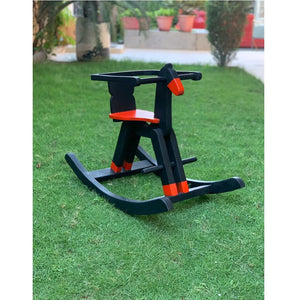
Montessori Outdoor Gross Motor Toys: What Defines Them?
When we talk about Montessori educational toys for outdoor gross motor play, we are referring to meticulously designed tools that empower children to develop physical strength, coordination, balance, and independence through self-directed movement in natural settings. These toys embody Dr. Maria Montessori's philosophy by being child-centric, purposeful, and conducive to holistic development, moving beyond mere entertainment.
Amidst growing concerns, highlighted by figures like Zoho's Sridhar Vembu, about screen time for young children, authentic outdoor play is more vital than ever. Paediatricians, too, advocate for children playing in mud and engaging with their environment, recognising the immense benefits to immunity and sensory development. For Indian parents striving to balance academic pressures with healthy childhoods, choosing the right outdoor toys becomes a deliberate investment in their child's well-being.
What are Montessori Educational Toys for Outdoor Gross Motor Play? Montessori educational toys for outdoor gross motor play are intentionally crafted items that facilitate large muscle movement, coordination, and balance in a stimulating, natural environment. This matters because robust gross motor skills are foundational for cognitive development and independence. Indian parents can empower their children by selecting toys that encourage purposeful, child-led physical exploration.
The Core Principles Defining Montessori Outdoor Play
Child development experts agree that genuine Montessori outdoor play adheres to foundational principles that guide toy selection and environment setup. Research shows that toys which align with these principles foster deeper engagement and more effective learning than generic play equipment. These principles ensure that every outdoor interaction contributes meaningfully to a child's growth, rather than just filling time.
Freedom of Movement Within Limits
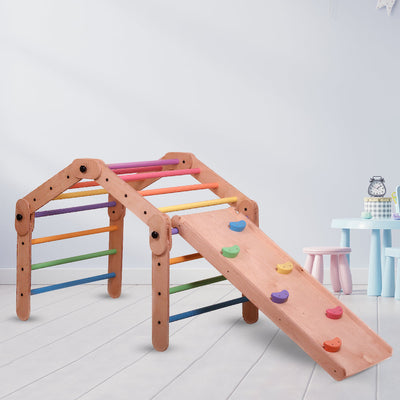
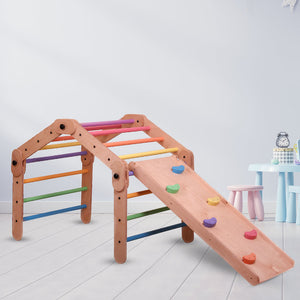
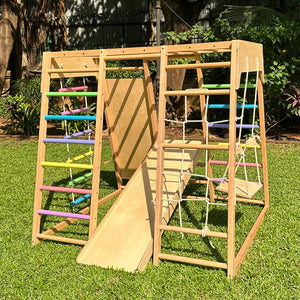
A true Montessori outdoor toy provides children with the freedom to move, explore, and challenge their bodies, all within a safe and prepared environment. For instance, a climbing frame designed with varying levels encourages children to assess risks and build confidence at their own pace. This principle mirrors the respect for a child's innate drive for physical activity, essential for developing strength and spatial awareness in growing children across Indian homes.
Purposeful Activity and Engagement
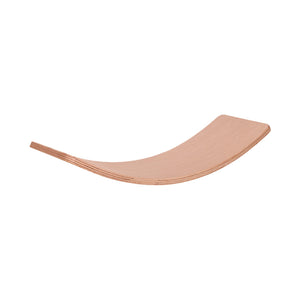
Montessori outdoor materials are not just for random play; they invite purposeful activity that has a clear developmental aim. A balance beam, for example, directly enhances equilibrium and proprioception. Studies indicate that toys promoting a single, clear purpose help children concentrate and master skills more effectively, preparing them for more complex physical tasks like climbing trees or playing traditional Indian games like kho-kho.
Connection to Nature and Reality
An authentic Montessori outdoor experience deeply connects children to the natural world. Toys made from wood, stone, or those that encourage interaction with elements like soil and water, align perfectly with this. This fosters an appreciation for the environment, a crucial lesson for children, especially those growing up in bustling Indian cities where green spaces are precious. Such engagement supports sensory development and a calm demeanour.
Child-Led Exploration and Independence
Montessori outdoor gross motor toys are designed to be used independently by the child, promoting self-reliance and decision-making. There are no flashing lights or complex instructions; the material itself invites engagement and reveals its purpose. This approach empowers children to initiate their own play and challenges, building problem-solving skills vital for their journey through school and life, whether they are in a joint family setup or a nuclear one.
Characteristics of Authentic Montessori Gross Motor Development Toys
Choosing the right outdoor gross motor development toys involves looking for specific characteristics that distinguish them from conventional options. These features ensure that the toy genuinely supports a child's physical and cognitive development in a way that aligns with Montessori philosophy. SkilloToys.com offers a curated range of items that embody these traits, making selection easier for discerning parents.
Self-Correcting and Error Control
A key Montessori characteristic is that the toy itself provides feedback, allowing the child to discover and correct their own mistakes. For example, a stacking arch will only balance if placed correctly, teaching spatial reasoning and patience without adult intervention. This empowers children to learn from experience, building resilience and problem-solving skills essential for navigating the world, from playgrounds to school tasks.
Natural, High-Quality Materials
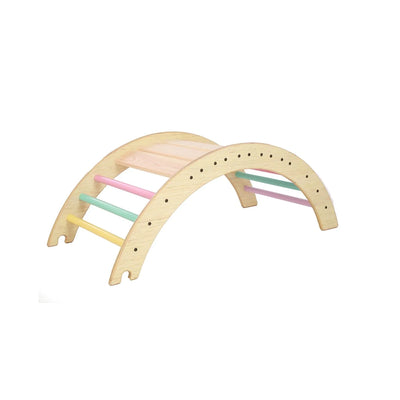
Authentic Montessori toys for outdoor play are predominantly made from natural materials like wood, metal, or natural fibres. These materials offer varied sensory experiences, are durable, and connect children to the natural world. This focus contrasts sharply with plastic, mass-produced items, offering a more enriching and sustainable play experience. Think sturdy wooden rockers or balance boards that can withstand energetic play in a backyard or a community park.
Single Purpose and Simplicity
Montessori materials, including those for outdoor gross motor development, typically have a single, clear purpose. A climbing ladder is for climbing, a balancing board for balancing. This simplicity prevents overstimulation and allows children to focus on mastering one skill at a time. Such focused engagement is particularly beneficial in today's overstimulated world, offering a calm yet challenging play experience that enhances concentration.
Scaled for the Child and Realistic
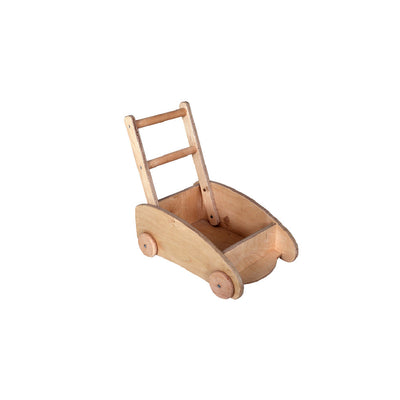
Every Montessori outdoor toy is scaled precisely to the child's size and developmental stage, ensuring accessibility and safety. Furthermore, they are realistic, reflecting actual objects or movements children encounter in the world. This approach grounds their play in reality, fostering practical life skills and a sense of capability. From small wheelbarrows for gardening to child-sized brooms, these items make children feel competent and included in real-world activities.
Why Genuine Montessori Outdoor Toys Matter for Indian Children
In a rapidly changing India, where urbanisation often limits traditional outdoor play, authentic Montessori method learning materials for outdoor gross motor development offer a crucial advantage. Child development experts globally highlight the importance of physical activity for overall well-being, and this is especially true for children facing increasing academic pressures and reduced play spaces.
These toys significantly contribute to physical health, promoting strong bones, healthy hearts, and improved coordination – essential for children who might otherwise spend hours indoors. Research shows that children engaged in regular gross motor play exhibit better concentration and academic readiness. Moreover, outdoor play, especially with natural elements like mud, as paediatricians advise, boosts immunity and sensory integration, a welcome benefit in our diverse Indian climate.
By encouraging child-led exploration and problem-solving, Montessori outdoor toys build resilience and confidence. Children learn to assess risks, overcome physical challenges, and develop a 'can-do' attitude – invaluable life skills that extend beyond the playground. This approach provides a powerful antidote to passive screen consumption, aligning with the sentiments expressed by figures like Sridhar Vembu on limiting social media for children, advocating for engagement with books and playing in dirt instead.
For Indian families, whether in a sprawling ancestral home or a compact apartment, these versatile toys can be integrated. A small balcony can become a gross motor hub with a balance board, or a local park visit can be enriched with a purposeful climbing triangle. They encourage family bonding through shared outdoor activities, echoing the communal spirit often found during festivals and family gatherings, making play a holistic, educational, and joyful experience.
- Montessori outdoor gross motor toys foster physical strength, coordination, and independence through child-led movement.
- Authentic Montessori outdoor play adheres to principles like freedom of movement, purposeful activity, and connection to nature.
- These toys are typically self-correcting, made from natural materials, have a single purpose, and are scaled to the child.
- Gross motor skill development is crucial for cognitive growth, problem-solving, and building resilience in children.
- Engaging with genuine Montessori outdoor materials offers a healthy alternative to excessive screen time, promoting overall well-being.
- Regular outdoor play, especially with natural elements, significantly boosts a child's immunity and sensory development.
What is the primary goal of Montessori outdoor gross motor play?
The primary goal is to foster holistic child development through purposeful movement, allowing children to build strength, coordination, and independence in a natural, child-centred environment. It encourages exploration and self-discovery rather than directed instruction.
How do Montessori outdoor toys differ from regular outdoor play equipment?
Montessori outdoor toys differ by adhering to specific principles: they are often made from natural materials, are child-sized, encourage self-correction, and typically have a single, clear purpose. They are designed to facilitate independent skill development rather than just provide entertainment.
Are all wooden outdoor toys considered Montessori?
No, not all wooden outdoor toys are inherently Montessori. While natural materials are a key aspect, a toy must also align with other Montessori principles such as promoting purposeful activity, encouraging independence, being realistic, and allowing for child-led exploration to be truly Montessori.
At what age should I introduce Montessori outdoor gross motor toys?
Montessori outdoor gross motor toys can be introduced from early toddlerhood, typically around 12-18 months, depending on the child's developmental stage. Look for items that support crawling, standing, walking, and climbing, scaled appropriately for their size and ability.
How can I integrate Montessori outdoor play into a busy Indian family lifestyle?
Integrating Montessori outdoor play involves prioritizing short, consistent periods of outdoor activity, even if it's just in a balcony or local park. Encourage simple activities like gardening, sweeping, or playing with natural elements like mud, leveraging the principles of practical life and connecting with nature.