Mud Play: Pediatrician Advice for Healthier Kids
Recently, The Times of India highlighted a crucial message: leading pediatricians across India are actively advocating for children to engage in messy outdoor activities like mud play. This isn't just about fun; the expert mud play pediatrician advice firmly states that such interactions are vital for building robust immunity and holistic development, directly addressing common parental hygiene fears.
As Indian parents, we often worry about germs and keeping our children 'clean.' However, understanding the science behind why pediatricians want our kids playing in the mud can transform our approach to outdoor adventures.
What is the Hygiene Hypothesis and Why It Matters?
The Hygiene Hypothesis posits that early childhood exposure to a diverse range of microorganisms, including those found in soil and nature, is essential for the proper development of a child's immune system. This matters because insufficient exposure can lead to an overactive immune system, increasing the risk of allergies and autoimmune conditions. Indian parents can proactively support their child's immune health by embracing supervised outdoor messy play.
Pediatrician-Backed Reasons to Embrace Mud Play: Beyond Just Fun
Child development experts and pediatricians universally agree: the benefits of playing in mud extend far beyond simple entertainment. This primal form of play is a cornerstone for physical, cognitive, and emotional growth. Research shows that children who regularly engage with natural environments, including soil, exhibit stronger immune responses.
Playing in mud stimulates all senses – touch, sight, smell, and even sound as they squish and slosh. This rich sensory input is critical for brain development, especially in children aged 18-24 months. Mud acts as a natural medium for imaginative play, where a simple puddle transforms into an ocean or a handful of dirt becomes a culinary masterpiece in a pretend mud kitchen.
The Science Behind the Splatter: Understanding the Hygiene Hypothesis
In our modern, often over-sanitized world, many Indian households prioritize impeccable cleanliness. While hygiene is important, a growing body of evidence, encapsulated by the Hygiene Hypothesis, suggests that too much sterility can actually hinder a child's immune system development. Studies indicate that early exposure to a variety of microbes helps 'educate' the immune system, teaching it to differentiate between harmful pathogens and harmless substances.
This understanding is particularly relevant today, given the increasing concerns about children spending 'More screens, less sunshine' – a trend highlighted by India Today. A balanced approach means allowing children to explore the natural world, fostering immunity while still practicing sensible hygiene. This also resonates with calls from leaders like Zoho's Sridhar Vembu for 'India should ban social media for young children,' pushing for more physical and less virtual engagement.
Moving Beyond Screens: Gross Motor Development Outdoors
Mud play is a fantastic workout! Squishing, digging, carrying, and splashing engage major muscle groups, developing crucial gross motor skills. Think about the effort it takes for a toddler to stomp through a muddy puddle or for an older child to transport buckets of wet soil. These actions build strength, coordination, balance, and spatial awareness – foundations for all future physical activities.
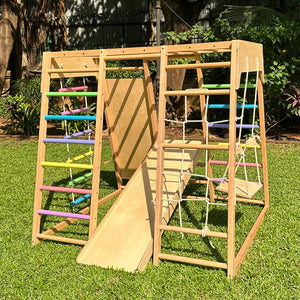
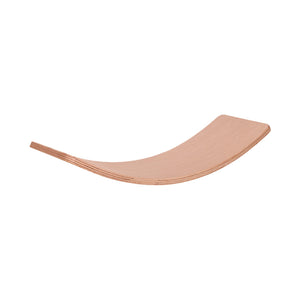
Montessori education emphasizes movement as integral to learning. Outdoors, children have the freedom to move their bodies in expansive ways not always possible indoors. This includes running, jumping, climbing, and engaging with Montessori gross motor toys like climbing frames or balance boards, which complement the natural movement offered by messy outdoor play.
Practical Montessori Outdoor Play for Indian Homes
Integrating outdoor messy play into your child's routine doesn't require a large garden or complex setup. Maria Montessori herself championed connecting children with nature, even within urban settings. Here’s how Indian families can embrace it:
- The Humble Mud Kitchen: A simple setup with old utensils, pots, and pans, along with some dirt and water, can provide hours of imaginative play. Children love 'cooking' and 'serving' mud pies, developing practical life skills and fostering creativity.
- Gardening Adventures: Involve your child in gardening, even if it's just a small potted plant on a balcony. Digging, planting, and watering expose them to soil and the joy of nurturing life. This connects them to the cycle of nature and provides gentle microbial exposure.
- Sensory Bins with Nature's Treasures: Fill a tub with soil, leaves, twigs, stones, and a little water. Children can explore textures, sort, and create, fostering concentration and sensory development. This is especially good for younger children or those with limited outdoor space.
- Puddle Jumping Post-Monsoon: After a refreshing monsoon shower, let your children experience the joy of puddle jumping! With appropriate footwear, this simple act is a fantastic sensory and gross motor experience that connects them directly to nature's rhythm.
Dirt Play Safety Tips for Worry-Free Adventures
While pediatricians encourage dirt play, managing hygiene is still key. Here are essential dirt play safety tips for Indian parents:
- Supervise and Scout: Always supervise children during outdoor play. Before they dive in, quickly check the play area for sharp objects, glass, or harmful chemicals.
- Handwashing is Key: After the mud adventure, teach and encourage thorough handwashing with soap and water. This is the simplest and most effective way to manage germ exposure responsibly.
- Appropriate Attire: Dress children in old clothes that can get truly muddy. An old kurta or salwar can be perfect! Keep a change of clothes ready, especially if visiting grandparents or heading to a family gathering.
- Hydration and Sun Protection: Ensure children stay hydrated, especially during warmer months. Use sunscreen and wide-brimmed hats to protect them from the sun, especially if they are playing outdoors for extended periods.
Nurturing Nature's Classroom with SkilloToys
At SkilloToys.com, we believe in empowering Indian parents to create enriching environments for their children. Our curated collection of Montessori educational toys supports all aspects of child development, including outdoor exploration. From sturdy gardening sets that inspire budding botanists to natural wood blocks perfect for building outdoor forts, our toys complement the natural learning experiences that mud and nature provide.
By embracing the pediatrician's advice to let kids get messy, we open up a world of sensory richness, physical activity, and robust immunity. So, the next time your child eyes a puddle or a patch of inviting mud, remember the science, take a deep breath, and let them get delightfully dirty!
- Pediatricians strongly advocate for mud play to enhance children's immune system development.
- Engaging with natural dirt exposes children to diverse microbes, crucial for preventing allergies and autoimmune conditions, as per the Hygiene Hypothesis.
- Mud play significantly boosts gross motor skills, coordination, and sensory development in young children.
- Montessori principles encourage hands-on outdoor exploration, fostering creativity and a connection with nature.
- Simple outdoor activities like mud kitchens and gardening can be easily incorporated into Indian homes.
- Practicing proper handwashing after play is key to safe and worry-free messy outdoor adventures.
Why do pediatricians encourage children to play in the mud?
Pediatricians encourage mud play because it exposes children to diverse microbes, strengthening their immune systems and supporting the 'Hygiene Hypothesis.' This natural interaction fosters crucial sensory and gross motor skill development essential for overall growth.
What are the key benefits of playing in mud for my child?
The key benefits of playing in mud include enhanced immunity, improved gross motor skills like balancing and coordination, sensory development through varied textures, and boosted creativity. It also encourages problem-solving and reduces screen time, promoting physical activity.
How can I ensure my child's safety during dirt play?
To ensure safety during dirt play, always supervise children, ensure the play area is free of sharp objects or harmful chemicals, and check for animal waste. Teach proper handwashing techniques immediately after play and ensure any cuts or scrapes are cleaned and covered.
What is the Hygiene Hypothesis and how does it relate to outdoor play?
The Hygiene Hypothesis suggests that reduced exposure to diverse microorganisms in early childhood can increase susceptibility to allergies and autoimmune diseases. Outdoor play, especially in natural environments like mud, provides the microbial diversity needed to properly 'train' a child's developing immune system.
What kind of Montessori outdoor toys are best for messy play?
Montessori outdoor toys that encourage messy play include sensory bins with natural elements, gardening tools for toddlers, and materials for creating mud kitchens. These foster practical life skills, sensory exploration, and connection with nature, aligning perfectly with Montessori principles of hands-on learning.