Myopia in Indian Children: Montessori Outdoor Play Solutions
The alarming rise of myopia in Indian children is a pressing health crisis, with studies indicating a significant increase in nearsightedness across the country. Research shows that engaging in ample outdoor play is a powerful, natural defense against this growing concern, directly improving eye health and overall well-being. Indian parents can actively combat this trend by prioritizing less screen time and embracing Montessori-inspired outdoor adventures for their little ones.
Myopia is a vision condition where distant objects appear blurry due to the eye focusing light incorrectly. This matters because untreated myopia can lead to more serious eye conditions later in life and significantly impact a child's learning and quality of life. Indian parents can proactively address this by fostering a balanced lifestyle that includes plenty of time spent in natural light and engaging in dynamic outdoor activities.
The Myopia Crisis in India: A Clear and Present Danger
Child development experts agree that India is facing an unprecedented surge in childhood myopia, a trend fueled by modern lifestyles. A significant factor is the increased screen time for educational purposes and entertainment, coupled with a drastic reduction in outdoor play. As highlighted by 'Healthcare Radius,' this shift is impacting our children's vision at an alarming rate, transforming what was once a minor concern into a nationwide health challenge.
Many Indian homes, particularly in urban areas, often lack ample outdoor space, leading children to spend more time indoors with digital devices. This sedentary indoor lifestyle also contributes to Vitamin D deficiency, as noted by 'India Today,' further compounding health issues. Grandparents, who traditionally encouraged outdoor games like kho-kho or gilli-danda, often find children glued to tablets today.
Screen Time and Myopia in Kids: Breaking the Digital Cycle
Studies indicate a direct correlation between increased screen time and the development or progression of myopia. When children spend prolonged periods focusing on close-up digital screens, their eyes are constantly engaged in near-work, which can strain the visual system and contribute to the elongation of the eyeball. This constant near-focus often replaces the crucial distance viewing that outdoor play provides.
The '20-20-20 rule' (look 20 feet away for 20 seconds every 20 minutes) is a useful guideline, but it cannot replace the comprehensive benefits of genuine outdoor engagement. Zoho's Sridhar Vembu backing stricter social media bans for young children, as reported by 'Moneycontrol.com,' underscores the growing concern about digital device over-reliance. Parents must consciously limit digital exposure to protect their child's developing eyes.
Outdoor Play Eye Health: The Montessori Way to Better Vision
Maria Montessori's philosophy emphasizes learning through direct experience and interaction with the environment, and this extends beautifully to outdoor play. Outdoor play is not just about physical exercise; it's a multi-sensory experience vital for comprehensive visual development. Children naturally engage in varying depths of field, tracking moving objects, and observing details in nature – all critical for eye health.
Spending time outdoors, especially under natural light, stimulates the release of dopamine in the retina, which is believed to slow down eye growth and prevent the development of myopia. This natural light exposure is a cornerstone of preventing childhood myopia. The simple act of looking at a distant bird, a swaying tree, or the horizon allows the eye muscles to relax and strengthens their ability to adjust focus.
Preventing Childhood Myopia with Gross Motor Play and Montessori Toys
Gross motor play is foundational for physical development and, surprisingly, for eye health. Activities like running, jumping, climbing, and balancing require dynamic visual tracking, depth perception, and spatial awareness. As children navigate uneven terrains or throw and catch balls, their eyes are constantly working, adjusting focus, and coordinating with body movements.
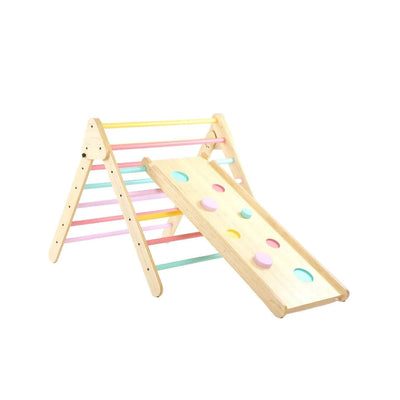
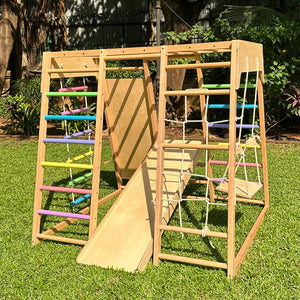
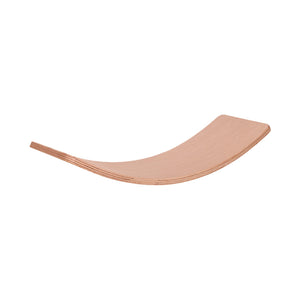
Montessori education values movement and practical life skills, making outdoor gross motor activities a natural fit. Our collection of gross motor toys encourages children to climb, balance, and move their bodies freely, inadvertently training their eyes to focus at various distances. These activities strengthen eye muscles and improve visual acuity, crucial for healthy development.
Encouraging free exploration in a safe, 'prepared environment' outdoors, a key Montessori tenet, allows children to engage their senses fully. Whether it’s observing a tiny ant on a leaf or chasing a butterfly, these natural interactions enhance Montessori toys vision development far beyond any indoor activity. The 'Times of India' rightly emphasizes that outdoor playtime is as crucial as study or meal time, a sentiment echoing Montessori's holistic approach.
Integrating Outdoor Play into Busy Indian Lifestyles
Given the academic pressures and structured routines in Indian households, integrating outdoor play might seem challenging. However, even short bursts of focused outdoor time can make a significant difference. Consider dedicating a fixed 'sunshine hour' daily, perhaps in the morning or late afternoon, when children can play freely in a park, garden, or even a safe balcony space.
Family outings to nature parks, local playgrounds, or even simple walks after dinner can become cherished routines that prioritize eye health. Encourage activities that involve looking into the distance, like identifying shapes in clouds or playing 'I Spy' with natural elements. These small, consistent efforts collectively build a strong defense against myopia.
- The alarming rise of myopia in Indian children is a serious public health concern.
- Outdoor play, especially under natural light for at least two hours daily, significantly reduces the risk of childhood myopia.
- Excessive screen time is a primary contributor to visual strain and the development of nearsightedness in young children.
- Montessori principles, emphasizing freedom of movement and interaction with a prepared environment, strongly support outdoor play for eye health.
- Gross motor activities like climbing, running, and balancing are crucial for developing dynamic visual tracking and depth perception.
- Prioritizing regular, dedicated outdoor time is an essential, proactive step for Indian parents to protect their children's vision.
What is myopia in children?
Myopia, or nearsightedness, is a common vision condition where distant objects appear blurry, while close objects are seen clearly. It occurs when the eyeball is too long or the cornea is too steeply curved, causing light to focus in front of the retina instead of directly on it.
How much outdoor play is recommended for preventing myopia?
Child development experts recommend that children spend at least two hours outdoors daily to significantly reduce the risk of myopia. This exposure to natural light helps regulate eye growth and development, offering a crucial protective effect against nearsightedness.
Does screen time really affect children's eyesight?
Yes, excessive screen time is a significant contributor to the rise of myopia and other eye strain issues in children. Prolonged near-work activity without breaks can lead to eye fatigue, dry eyes, and impact the natural development of the visual system, increasing myopia risk.
What are some Montessori outdoor activities for eye health?
Montessori outdoor activities for eye health include observing nature, identifying birds or leaves from a distance, tracking moving objects like butterflies, and engaging in gross motor play such as running, climbing, and balancing. These activities naturally encourage distance viewing and visual tracking.
How can I encourage my child to play outdoors more?
Encourage outdoor play by creating a 'prepared environment' in your garden or a nearby park, just as Maria Montessori advocated. Provide engaging gross motor toys, join them in activities, establish daily outdoor routines, and limit screen time to make outdoor adventures more appealing and essential.