Myopia in Indian Children: Outdoor Play Protects Eye Health
Outdoor play is a powerful, evidence-based strategy proven to significantly reduce the risk and progression of myopia in Indian children, offering a crucial protective shield for their developing eyes. Research shows that consistent time spent outdoors exposes children to natural light and distant viewing, essential factors for healthy eye development. Indian parents can actively combat this alarming trend by integrating more unstructured outdoor exploration into their child's daily routine.
The recent surge in childhood myopia across India is a grave concern for parents, often highlighted in headlines from India Today to The Times of India. With experts like Sridhar Vembu advocating for less screen time and more "playing in the dirt," and reports from Healthcare Radius questioning "What’s driving the alarming rise of myopia in Indian children?", the urgency is clear. But what if the solution is as simple and joyous as letting children play freely under the open sky? At SkilloToys, we champion the Montessori approach, which inherently promotes outdoor engagement as a vital component of a child's holistic development, including their vision.
What is Myopia?
Myopia, commonly known as nearsightedness, is a vision condition where close objects appear clear, but distant objects are blurred. This matters because untreated childhood myopia can lead to more serious eye conditions later in life, impacting learning and daily activities. Indian parents can combat this by understanding its causes and implementing preventive measures like increased outdoor exposure.
Natural Light: The Potent Prescription for Preventing Childhood Myopia
The science is clear: consistent outdoor play offers immense benefits for outdoor play eye health, particularly in preventing childhood myopia. Research indicates that broad-spectrum outdoor light stimulates the retina to release dopamine, a neurotransmitter that inhibits the excessive elongation of the eyeball – the primary cause of myopia. Studies have shown that even 2 hours of outdoor time daily can significantly reduce myopia risk, sometimes by up to 30%.
This isn't just about brightness; it's about the specific spectrum of light found outdoors, which indoor lighting, no matter how bright, cannot replicate. In India's vibrant climate, integrating outdoor play is often simpler, whether it's playing hopscotch in the colony park, exploring the garden with grandparents, or even enjoying traditional games like kho-kho or gully cricket.
Beyond Screens: The Crucial Role of Distant Viewing in Children's Eye Development
Modern life, particularly increased screen time, keeps children's eyes constantly focused on near objects. This sustained near-work puts immense strain on the eyes, contributing to axial elongation and the rise of screen time myopia kids are experiencing. Outdoor play, by contrast, naturally encourages dynamic focusing, which is vital for healthy children's eye development.
Children gaze at distant trees, follow birds in flight, and track moving objects, constantly shifting their focus between various distances. This varied visual stimulation is essential for strengthening eye muscles and preventing the static, near-focused strain caused by devices. Research suggests that a lack of distant viewing, alongside insufficient outdoor light, is a major contributing factor to the global myopia epidemic. With school pressure and digital learning on the rise, breaking this cycle with traditional outdoor games and unstructured play is more important than ever for our Indian children.
Montessori Outdoor Activities: Nurturing Holistic Eye Health
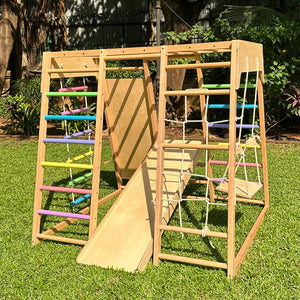
Maria Montessori's philosophy deeply values the child's connection with nature and freedom of movement. Montessori outdoor activities are not merely about being outside; they involve purposeful engagement that naturally supports eye health. From observing insects and plants to climbing structures and balancing on uneven paths, these activities promote hand-eye coordination, depth perception, and proprioception – all crucial for visual processing.
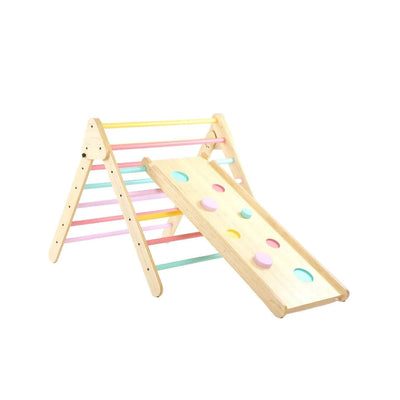
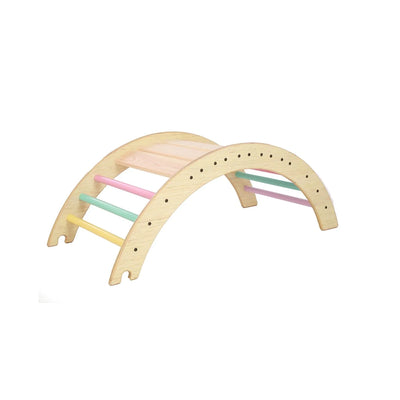
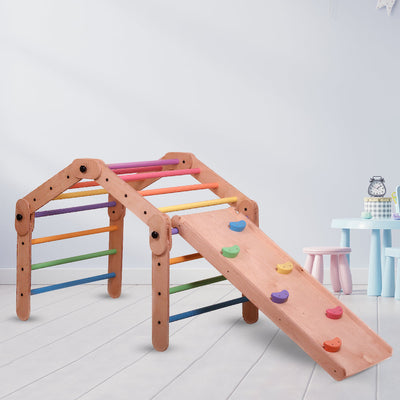
Engaging in gross motor activities like running, jumping, and balancing demands constant visual input and spatial awareness, further stimulating healthy eye-brain connections. SkilloToys offers a range of materials that extend this outdoor learning ethos indoors or to limited spaces, ensuring holistic physical and visual development. Many Indian homes, especially joint families, have access to terraces or courtyards that can be transformed into rich Montessori outdoor learning environments. Even a trip to the local market becomes a visual adventure, sharpening a child's observational skills!
Empowering Indian Parents: Practical Steps for Healthy Eyesight
Protecting children from the rise of myopia in Indian children is a community effort, and parents are at the forefront. Start by scheduling at least 60-90 minutes of daily outdoor play. Encourage unstructured play – let them explore, dig, climb, and simply 'be' in nature. Limit recreational screen time, ensuring any academic screen use is done with proper ergonomic setups and regular breaks.
Advocate for more outdoor breaks at school and consider enrolling them in activities that encourage outdoor time. Remember, even a simple walk in the park or playing on a balcony can make a difference. Prioritizing outdoor time isn't just about physical fitness; it's a vital investment in your child's long-term children's eye development. Grandparents often hold the key, sharing traditional games and stories outdoors, naturally fostering eye health and cultural connections. Explore SkilloToys' main collection to find materials that encourage hands-on exploration, preparing children to observe and engage with their environment fully, both indoors and out.
- Outdoor play is scientifically proven to reduce the risk and progression of myopia in Indian children.
- Natural light exposure stimulates dopamine release in the retina, which inhibits eyeball elongation, a primary cause of myopia.
- Dynamic focusing on distant objects during outdoor activities is crucial for healthy eye development and contrasts with constant near-focus from screens.
- Research suggests that a minimum of 60-90 minutes of daily outdoor time can significantly protect children's eyesight.
- Montessori principles encourage freedom of movement and engagement with nature, directly supporting holistic visual development.
- Reducing recreational screen time and increasing unstructured outdoor play are key preventive measures against childhood myopia.
How much outdoor time is recommended to prevent myopia?
Research indicates that children should aim for at least 60 to 90 minutes of outdoor play daily to significantly reduce the risk and progression of myopia. Consistent exposure to natural light and distant viewing is key for healthy eye development.
Can screen time directly cause myopia in children?
While screen time itself doesn't directly cause myopia, excessive near-work and lack of outdoor time associated with it are major contributing factors to its development and progression. It places constant strain on the eyes, hindering natural visual development.
What role does natural light play in preventing myopia?
Natural outdoor light, especially its broad spectrum, stimulates the retina to release dopamine, which is crucial for regulating eyeball growth. This process helps prevent the axial elongation of the eye, a primary cause of nearsightedness.
Are Montessori outdoor activities effective for eye health?
Yes, Montessori outdoor activities are highly effective as they encourage free movement, exploration, and observation of the natural world. This promotes dynamic focusing, depth perception, and hand-eye coordination, all vital for robust eye development.
What are simple ways Indian parents can increase outdoor time for kids?
Indian parents can encourage playing in local parks, visiting a grandparent's home with a garden, exploring terraces or courtyards, or even simple balcony activities. Prioritizing unstructured outdoor play over screens is a crucial step.