Myopia Prevention: Outdoor Play for Children in India
Engaging in regular outdoor play is a powerful and scientifically validated strategy for myopia prevention outdoor play children India, significantly reducing the risk of developing nearsightedness. Research shows that consistent exposure to natural light and varied viewing distances, characteristic of outdoor environments, promotes healthy eye development and counteracts the strain caused by excessive close-up work. For Indian parents concerned about their child's eyesight health, integrating daily outdoor activities offers a crucial protective measure against this growing epidemic, offering a simple yet profound intervention.
What is Myopia and Why is it Rising in Indian Children?
Myopia, commonly known as nearsightedness, is a refractive error where distant objects appear blurry due to the eye growing too long from front to back. This matters because untreated or progressing myopia can lead to more serious eye conditions later in life. Indian parents are increasingly facing this challenge as children spend more time indoors, engrossed in digital screens.
A recent Google News story highlighted the 'alarming rise of myopia in Indian children,' underscoring a critical public health concern. Factors contributing to this surge include increased academic pressure requiring prolonged close-up reading, and perhaps most significantly, the ubiquitous presence of digital devices. Children playing video games all day or spending hours on tablets are at a heightened risk, making gross motor skill development through outdoor play more vital than ever.
The Science Behind Outdoor Play and Myopia Prevention
Child development experts agree that outdoor play is not just about physical activity; it's a critical component of healthy visual development. Studies indicate that children who spend less than 1-2 hours outdoors daily have a significantly higher risk of myopia progression compared to their active peers. This protective effect is rooted in several scientific mechanisms.
Natural Light: The Key Ingredient for Children's Eyesight Health
The intensity of natural light outdoors is far greater than even the brightest indoor lighting, and this difference is crucial for children's eyesight health India. Exposure to bright natural light stimulates the retina to release dopamine, a neurotransmitter that signals the eye to slow its growth, thus preventing it from elongating too much. This biological response is a cornerstone of how outdoor environments help reduce myopia risk kids.
Even on an overcast day, the light levels outdoors are typically ten to twenty times higher than indoors. Consistent daily doses of this natural light, even without direct sunlight exposure, are incredibly effective. This mechanism helps regulate eye growth, providing a natural defense against the onset and progression of nearsightedness.
Distance Viewing and Eye Strain Reduction
Outdoor environments naturally encourage children to look at varied distances – from focusing on a butterfly just metres away to spotting a bird high in a tree, or observing grandparents working in a distant field. This constant shifting of gaze across a wide visual field helps relax the eye muscles and reduces the accommodative stress often associated with prolonged close-up tasks like reading books or looking at screens.
In contrast, indoor activities and screen time myopia kids promote sustained close-up viewing, which can lead to eye strain and contribute to the eye's tendency to elongate. By providing a natural antidote to this, outdoor play ensures the visual system develops flexibly and robustly, significantly contributing to the benefits of outdoor play eyes.
Practical Ways to Incorporate Outdoor Play in Indian Homes
Integrating daily outdoor play into a child's routine in India, especially amidst busy schedules and urban living, requires intentional effort. However, even small changes can make a big difference. Aim for at least 60-120 minutes of outdoor time daily, split into shorter sessions if needed.
Encourage traditional Indian outdoor games like kho-kho, kabaddi, or hide-and-seek in parks or society playgrounds. If you live in an apartment, utilize balconies for creative play with plants or water, or find a community garden. Many joint families have access to courtyards or terraces, perfect for active play with siblings or cousins. Even a simple walk to the local market with grandparents can offer valuable outdoor exposure.
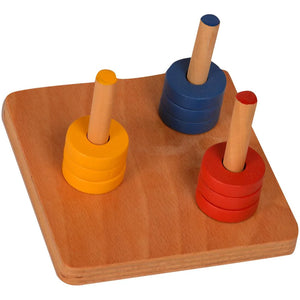
SkilloToys supports this holistic development with a range of Montessori learning materials that encourage exploration and engagement, complementing the benefits of outdoor activity. Look for opportunities during festivals or family gatherings to ensure children are engaged in open-air activities, fostering both physical and visual health.
Beyond Eyesight: Holistic Benefits of Outdoor Movement
While myopia prevention is a compelling reason to prioritize outdoor play, the benefits extend far beyond eye health. Energetic outdoor activities are fundamental for overall physical development, strengthening muscles, improving coordination, and enhancing cardiovascular health. Maria Montessori herself championed the child's connection with nature, recognizing its profound impact on holistic growth.
Furthermore, outdoor play boosts cognitive development by fostering problem-solving skills, creativity, and independent exploration. It also supports emotional well-being by reducing stress and improving mood, while offering opportunities for social interaction and building resilience. By encouraging children to embrace the outdoors, parents are investing in a healthier, happier, and more visually sound future for their kids.
- Regular outdoor play is a scientifically proven strategy for myopia prevention in children.
- Natural light exposure stimulates dopamine release in the retina, slowing eye elongation.
- Varied distance viewing during outdoor play reduces eye strain from close-up activities.
- Children should aim for at least two hours of outdoor play daily to protect their eyesight.
- Excessive screen time is a major contributor to rising myopia rates in Indian children.
- Outdoor activity supports not only eye health but also holistic physical, cognitive, and emotional development.
How much outdoor time is needed daily for myopia prevention?
Research suggests that children should aim for at least two hours of outdoor play daily to significantly reduce the risk of myopia development and progression. Consistent exposure to natural light is key, even on cloudy days, to support healthy eye growth.
Can screen time completely undo the benefits of outdoor play?
While outdoor play offers strong protective benefits, excessive screen time can counteract these advantages. Balancing outdoor activity with mindful screen use, adhering to recommended daily limits, is crucial for comprehensive children's eyesight health in India.
Does wearing sunglasses outdoors reduce the eye-protective benefits against myopia?
Wearing sunglasses is important for protecting eyes from harmful UV rays, but it does not diminish the myopia-preventing benefits of outdoor light. The key factor is the intensity and spectrum of natural light, which is still beneficial even with UV protection.
What specific outdoor activities are best for preventing myopia?
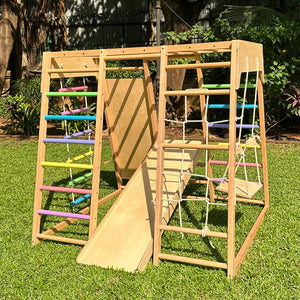
Any activity that involves looking at varied distances and encourages active movement is beneficial. This includes playing in parks, cycling, climbing, playing traditional Indian games like kho-kho or kabaddi, or simply exploring nature in a garden or courtyard.
Is it ever too late to start outdoor play for myopia prevention?
It is never too late to start. While early intervention in childhood offers the greatest impact, increasing outdoor play at any age can help slow the progression of existing myopia and support overall eye health, alongside regular eye check-ups.