Outdoor Free Play Urban India: Maximizing City Kids' Adventures
Maximizing outdoor free play urban India benefits for city children involves intentional parental guidance to seek out and create enriching, unstructured play opportunities within existing urban landscapes, fostering holistic development despite city constraints. This approach empowers young learners to connect with nature, develop crucial physical skills, and build resilience in their unique city environment.
Many Indian parents, especially those in joint families, understand the invaluable role of free play, yet struggle to find adequate space and time amidst bustling city life and school pressures. This guide, inspired by Mumbai's resourceful urban families, offers practical Montessori-aligned strategies to transform everyday urban settings into vibrant playgrounds.
What is Outdoor Free Play in Urban India?
Outdoor free play in urban India refers to children engaging in spontaneous, unstructured physical activity within city environments, such as parks, community grounds, or even safe building compounds. This matters immensely for developing crucial gross motor skills and independence. Indian parents can facilitate this by identifying safe, accessible spaces and encouraging exploration.
Montessori Principles for Urban Outdoor Play
Maria Montessori's philosophy profoundly emphasizes a child's natural drive for self-directed activity and exploration, which is perfectly adaptable to Montessori urban play. She believed that children learn best by doing, moving, and interacting with their environment. In a city context, this means providing children with the freedom to observe, touch, and engage with the world around them, even if it's just a small patch of green.
Indian families can foster this independence by allowing children to choose their activities in a safe outdoor space, whether it's climbing a small slide, collecting pebbles, or simply running freely. This cultivates decision-making skills and strengthens their connection to the real world. Research consistently demonstrates that children who engage in regular outdoor play exhibit improved cardiovascular health, better coordination, and reduced risk of obesity.
At SkilloToys, our Montessori method learning materials complement this outdoor exploration by nurturing concentration and fine motor skills indoors, creating a balanced developmental approach. The lessons learned through free exploration outdoors can be mirrored and deepened with purpose-built Montessori materials.
Maximizing Play Benefits for City Kids: A Practical Guide
Maximizing play benefits city children gain from outdoor experiences requires intentional planning and a shift in perspective. Start by identifying safe and accessible locations beyond just a playground; consider local botanical gardens, temple compounds with open spaces, or even well-maintained rooftop gardens in apartment complexes. Bengaluru, with its many parks, offers numerous opportunities, as does the resilient spirit of outdoor play Mumbai exhibits.
Encourage children to engage with the natural elements available, no matter how small. A pile of sand, a puddle after the monsoon, or fallen leaves can become props for hours of imaginative play. Allowing them to get a little messy fosters sensory development and resilience, teaching them to interact directly with their environment rather than just observe it.
One of the best city kids outdoor activities is simply observing. Ask open-ended questions: "What do you hear?" "What textures can you feel?" This cultivates a deep appreciation for their surroundings and sharpens their senses. Studies highlight a significant correlation between increased screen time and lower vitamin D levels among children in India, underscoring the critical need for outdoor exposure for health and well-being.
Identifying Urban Green Spaces for Kids
Finding suitable urban green spaces for kids in dense Indian cities can seem challenging, but many communities offer hidden gems. Look for local parks managed by the municipality, society playgrounds, or even larger public spaces like Cubbon Park in Bengaluru or Marine Drive in Mumbai during less crowded times. Grandparents, with their vast local knowledge, can often point out long-standing community spaces perfect for children.
Prioritize spaces that offer varied terrains—grass, paved paths, a few trees for shade—to stimulate diverse physical activities. Even a wide footpath or a relatively quiet street in a residential area can become a space for cycling or gully cricket under supervision, mimicking the unstructured fun of earlier generations.
Regularly visit these spaces, making them a consistent part of your family's routine. This familiarity allows children to feel comfortable and confident in exploring, transforming these urban pockets into their personal outdoor classrooms for adventure and discovery.
Nurturing Gross Motor Skills in the Urban Jungle
The urban environment, despite its limitations, provides ample opportunities for developing critical gross motor skills. From toddlers (18-24 months) learning to walk confidently on uneven pavements to older children navigating stairs and climbing park equipment, every movement is a learning experience. Encourage activities like running in open fields, jumping over small obstacles, or balancing on low walls.
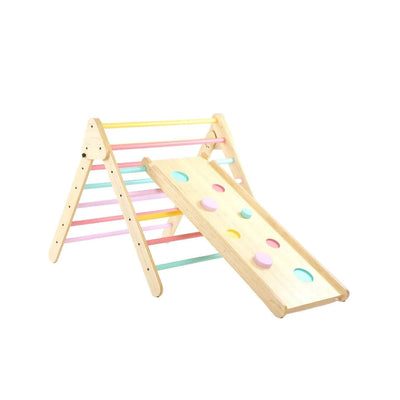
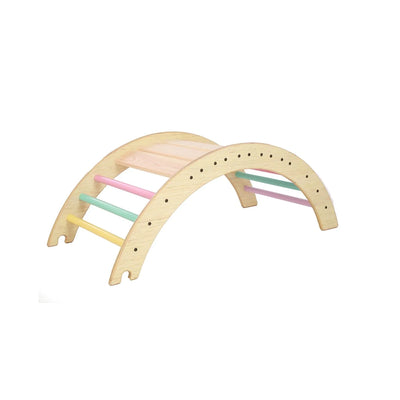
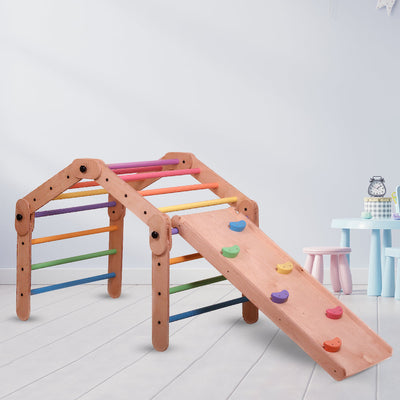
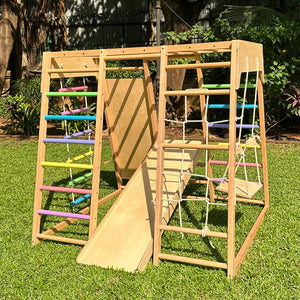
These large muscle movements are fundamental for coordination, strength, and spatial awareness. SkilloToys offers a range of gross motor skill development toys that can complement outdoor play, providing structured challenges that build upon the free exploration gained outdoors. Think of climbing triangles for indoor agility when outdoor space is limited, or balance beams for developing proprioception.
Child development experts agree that consistent engagement in diverse physical activities directly correlates with improved academic performance and emotional regulation. By prioritizing gross motor development through outdoor free play, Indian parents are investing in their child's holistic growth, preparing them for both physical and intellectual challenges.
Addressing Modern Challenges: Screens, Sunshine, and Safety
The current news context highlights significant concerns for Indian children: rising Vitamin D deficiency, childhood obesity linked to smartphones, and the need for heatwave safety. Outdoor free play is a powerful antidote to many of these modern challenges. More sunshine means better Vitamin D synthesis, crucial for bone health and immunity.
Regular physical activity in the fresh air directly combats the sedentary lifestyle often fostered by excessive screen time, helping children maintain a healthy weight and develop strong bodies. While safety during heatwaves is paramount, choosing early morning or late evening slots for outdoor play, staying hydrated, and seeking shade allows children to reap the benefits safely.
By making outdoor free play a non-negotiable part of their daily routine, parents actively counter these prevalent issues. It's not just about exercise; it's about fostering a love for movement, nature, and independent exploration that builds resilient, healthy, and happy children equipped to thrive in India's vibrant urban landscapes.
- Maximizing outdoor free play benefits urban Indian children requires intentional parental efforts to find and create unstructured play opportunities.
- Montessori principles of freedom and exploration are highly adaptable to city environments, fostering independence and sensory development.
- Identifying safe urban green spaces, from parks to building compounds, is crucial for consistent outdoor engagement.
- Unstructured activities like running, climbing, and exploring natural elements greatly enhance gross motor skills and creativity.
- Outdoor play directly combats issues like Vitamin D deficiency and childhood obesity prevalent among Indian children.
- Indian parents can use local examples, like Mumbai's adaptable approach, to inspire their own urban play strategies.
How do Montessori principles apply to urban outdoor play?
Montessori principles emphasize freedom of movement, exploration, and learning through self-directed activity. In urban outdoor play, this translates to allowing children to independently navigate parks, observe nature, and interact with their surroundings at their own pace, fostering inner discipline and curiosity.
What are the key benefits of outdoor free play for city children?
Outdoor free play significantly boosts physical health, cognitive development, and emotional well-being for city children. It enhances gross motor skills, promotes problem-solving, builds resilience, and offers vital exposure to natural light for Vitamin D synthesis, crucial in screen-dominated environments.
How can parents find safe urban green spaces for kids in Indian cities?
Parents can identify safe urban green spaces by researching local municipal parks, community gardens, or even well-maintained building compounds and society parks. Prioritize spaces with adequate supervision, minimal traffic, and diverse natural elements for richer exploratory play.
What kind of activities maximize play benefits in urban outdoor settings?
To maximize benefits, encourage open-ended activities like climbing, running, jumping, and exploring natural textures. Allow children to direct their own play, whether it's collecting leaves, making mud pies, or simply observing insects, rather than imposing structured games. This nurtures creativity and problem-solving.
How does outdoor play combat issues like screen time and Vitamin D deficiency in Indian children?
Regular outdoor play is a direct antidote to excessive screen time, promoting physical activity over sedentary habits. Crucially, direct sunlight exposure during outdoor play facilitates the body's natural Vitamin D production, helping to mitigate the widespread deficiency observed among Indian children today.