Outdoor Play Air Quality India: Parents' AQI Safety Guide
Ensuring safe outdoor play air quality India requires proactive parental measures, including diligently monitoring AQI levels, choosing optimal activity times, and exploring protected green spaces. Child development experts agree that while outdoor play in India faces hurdles due to environmental factors, its profound benefits are crucial, necessitating informed strategies for children's holistic well-being.
The recent Google News article, 'AQI stealing childhood? Delhi suffocates under smog as outdoor play turns dangerous,' resonates with parents across the nation. This critical concern highlights the need for a comprehensive guide to navigate outdoor activities safely. While we cherish nature-loving play, understanding environmental factors like air quality is paramount for our children's health.
What is AQI and Why Does it Matter for Children?
Air Quality Index (AQI) is a numerical scale used to report daily air quality, indicating how clean or polluted the air is and its potential health effects. This matters because high AQI levels can significantly impact children's respiratory health, cognitive development, and overall well-being, making informed decisions critical for Indian parents to protect their little ones.
Understanding India's Air Quality Challenges and Their Impact on Children
India's vibrant cities, from the bustling lanes of Bengaluru to the smog-laden skies of Delhi, frequently grapple with fluctuating air quality. This concern, often highlighted by headlines like "Delhi suffocates under smog," poses a direct threat to children's health and their fundamental right to play outdoors. Child development research consistently shows that exposure to high levels of air pollution can lead to respiratory issues, allergies, and even long-term developmental challenges in children, particularly those under five years old whose lungs are still developing.
Maria Montessori, a pioneer in child education, passionately advocated for children's connection with nature, emphasizing that direct interaction with the outdoors is fundamental for sensory development, exploration, and gross motor skill enhancement. The Times of India article, "5 reasons why outdoor play time is as important for children as study or meal time," reinforces this, stating that outdoor play builds immunity, improves focus, and fosters creativity. Despite these undeniable benefits, the reality of air pollution, exacerbated by factors like early heatwaves triggering dehydration concerns, forces parents to reconsider traditional outdoor playtime.
Studies indicate that children living in highly polluted areas are at a significantly higher risk of developing asthma and other chronic respiratory conditions. Protecting their playtime, therefore, becomes a delicate balance between encouraging physical activity and safeguarding their health. This challenge requires a proactive, informed approach from every parent, particularly those in joint families where grandparents also play a vital role in children's daily routines.
Practical Steps for Safe Outdoor Play Amidst High AQI
Monitor AQI Levels Diligently for Kids' Play Safety
The first and most crucial step for parents is to make AQI monitoring a daily habit, much like checking the weather. Utilise reliable apps and websites like the SAFAR India portal or local weather apps that provide real-time air quality data for your city. Understanding the AQI colour codes—Green (Good), Yellow (Moderate), Orange (Unhealthy for Sensitive Groups), Red (Unhealthy), Purple (Very Unhealthy), and Maroon (Hazardous)—empowers you to make informed decisions about your child's outdoor exposure. For instance, an AQI between 0-50 is ideal, while anything above 100 warrants caution.
Choose Optimal Play Times to Minimise Smog Exposure
Air pollution levels fluctuate throughout the day. Generally, early mornings (before 7 AM) and late evenings (after 7 PM) tend to have lower pollution levels compared to midday, which also aligns with avoiding the peak heat, especially during early heatwaves that trigger dehydration among children. Avoid sending children out during peak traffic hours or immediately after firecracker-heavy festivals when particulate matter in the air is exceptionally high. Adjusting play schedules to these safer windows ensures children still get their dose of fresh air and movement without undue risk.
Seek Green and Less Polluted Zones for Air Pollution Outdoor Play India
Not all outdoor spaces are created equal when it comes to air quality. Research shows that areas with abundant greenery, like well-maintained parks, botanical gardens, and spacious residential society grounds, often have slightly better air quality due to trees acting as natural air filters. When planning outdoor excursions, prioritise these green pockets over busy roadsides or industrial areas. Even a short walk in a relatively greener zone can be beneficial for both physical and mental well-being, provided AQI levels are within acceptable limits.
Prioritise Hydration and Post-Play Care
Beyond air quality, general well-being during outdoor activities is critical. Ensure children are well-hydrated, especially if they are actively engaged in play. India Today highlights how early heatwaves can lead to dehydration and fatigue, making water breaks essential. After any outdoor play, encourage children to wash their hands and face thoroughly, and change into fresh clothes to remove any lingering pollutants. This simple routine can significantly reduce exposure to allergens and irritants carried by the air.
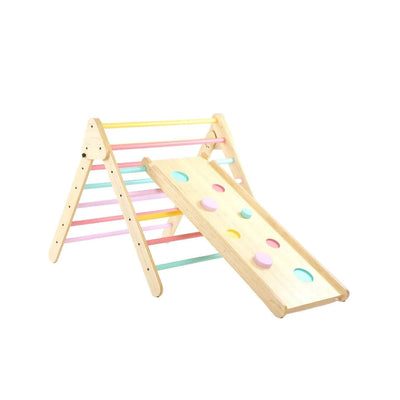
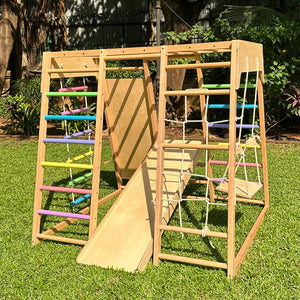
For children who love to climb and explore, having access to engaging gross motor skill toys that encourage active play, whether in a safe outdoor space or a well-ventilated indoor environment, is invaluable. Items like balance beams, tunnels, and climbing arches help build strength, coordination, and agility, mirroring the benefits of natural outdoor obstacles.
Adapting to Poor Air Quality: Indoor Gross Motor Activities
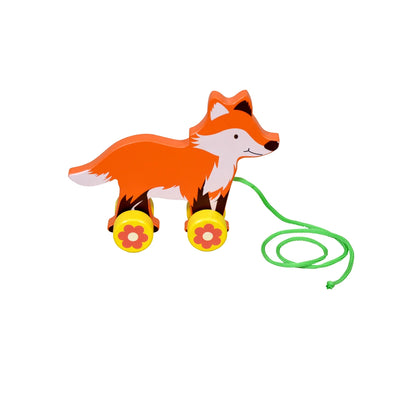
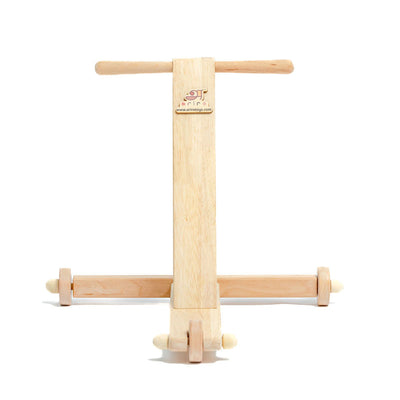
There will be days when the AQI is simply too high, making outdoor play unsafe. This doesn't mean physical activity has to stop. SkilloToys.com offers a range of indoor gross motor toys designed to keep children moving and engaged within the comfort and safety of their homes. These can include soft play structures, stepping stones, and even indoor slides, which are perfect for expending energy and developing crucial physical skills.
Parents can also create engaging obstacle courses using household items – pillows for jumping, chairs for crawling under, and tape for hopscotch grids on the floor. Traditional Indian games like 'langdi taang' (hopscotch) or 'kho-kho' can be adapted for spacious indoor areas, fostering both physical and social development. For quieter moments that still engage developing minds and hands, Montessori method learning materials like the Pink Tower for visual discrimination or Sandpaper Letters for tactile learning offer enriching indoor activities, complementing physical play.
Child development experts agree that a balanced approach, incorporating both outdoor and indoor activities, is key to nurturing a well-rounded child, especially when environmental factors present challenges. Even on days with high AQI, engaging in active indoor play ensures children continue to build strength, coordination, and resilience.
- Monitoring daily AQI levels is crucial for making informed decisions about children's outdoor playtime in India.
- Optimal outdoor playtimes are typically early mornings and late evenings, avoiding peak pollution and heat.
- Prioritising green spaces like parks and gardens can offer comparatively better air quality for children's activities.
- Hydration and post-play cleansing routines are essential for safeguarding children's health after outdoor exposure.
- When AQI is high, engaging indoor gross motor activities are vital for maintaining physical development and energy levels.
- Maria Montessori's emphasis on nature remains foundational, urging parents to adapt strategies for children's well-being amidst environmental challenges.
What is a safe AQI level for children to play outdoors?
An AQI between 0-50 (Green) is considered good and generally safe for all outdoor activities. An AQI between 51-100 (Yellow/Moderate) requires monitoring, especially for sensitive children, and extended strenuous activity should be limited. Above 100, outdoor play is generally not recommended, especially for prolonged periods or high-intensity activities.
How can I protect my child from air pollution during outdoor play?
To protect your child, monitor AQI daily and choose playtimes with lower pollution. Opt for green spaces away from heavy traffic, ensure they stay hydrated, and practice good hygiene like washing hands and face after coming indoors. Consider masks specifically designed for children if AQI is moderately high and outdoor time is unavoidable.
Are there specific times of day when air quality is better in India?
Yes, air quality in most Indian cities tends to be better in the early morning hours (before 7 AM) and late evenings (after 7 PM). Pollution often builds up during the day due to traffic and industrial activity, and can be trapped by cooler air overnight, but clears slightly with morning winds or before evening rush hours begin.
What are good indoor gross motor activities for children when AQI is high?
Excellent indoor gross motor activities include creating obstacle courses with pillows and furniture, playing traditional games like hopscotch with tape, dancing, or using indoor climbing structures and balance beams. SkilloToys offers a range of dedicated gross motor toys that are perfect for keeping children active and engaged indoors, promoting coordination and strength.
How does air pollution impact a child's long-term health?
Long-term exposure to air pollution can severely impact a child's respiratory system, increasing the risk of asthma, bronchitis, and reduced lung function. It has also been linked to cognitive development issues, including reduced attention spans and lower academic performance, underscoring the critical need for protective measures from infancy.
Should children wear masks for outdoor play in moderate AQI?
For moderate AQI (101-150), sensitive children or those with respiratory conditions should consider wearing N95 or N99 masks specifically designed for children. For general healthy children, it depends on individual sensitivity and duration of exposure. When AQI is 'Unhealthy' or higher (above 150), masks are strongly recommended if any outdoor exposure is unavoidable, though indoor play is always the safer choice.