Outdoor Play Climate Change India: Smart Montessori Adaptations
Ensuring children benefit from enriching outdoor experiences, even as weather patterns become more unpredictable, is a challenge many Indian parents face. Adapting outdoor play for kids in a changing climate in India requires smart, mindful strategies that prioritize safety while fostering physical and cognitive development. This guide will help you weave Montessori principles into everyday outdoor activities, ensuring your child continues to thrive.
What is Climate-Smart Outdoor Play?
Climate-smart outdoor play is the intentional adaptation of children's outdoor activities to safely accommodate fluctuating environmental conditions, such as extreme heat, heavy rainfall, or poor air quality. This approach matters because it safeguards children's health while ensuring their crucial physical and emotional development. Indian parents can implement this by adjusting play times, choosing appropriate locations, and modifying activities to suit the day's weather.
Understanding the Challenge: India's Shifting Playgrounds
From Bengaluru's sudden downpours to Chennai's intensifying summers, India's climate is changing. Reports like 'Hopscotch to heat watch: How climate change is impacting summer play - Mongabay India' highlight the direct threat to children's traditional outdoor playtime. Extended heatwaves, erratic monsoons, and increased air pollution mean that the playgrounds our generation knew are evolving, making safe outdoor play a complex consideration for parents and educators.
This reality brings new urgency to the importance of physical activity. As India Today noted, "In the age of AI, the playground could be the classroom children need most." The physical, social, and emotional learning that happens outdoors cannot be replicated by screens. Child development experts agree that gross motor skill development is foundational, impacting everything from brain development to emotional regulation. Finding ways to maintain this crucial element is paramount.
Montessori's Wisdom: Observation and Adaptation
Maria Montessori's philosophy deeply values a child's connection with nature and their capacity for self-directed learning within a "prepared environment." This wisdom becomes incredibly powerful when we consider adapting outdoor play to climate change. It's not about cancelling outdoor experiences, but thoughtfully redesigning them.
The Prepared Environment, Redefined
The Montessori "prepared environment" isn't just indoors; it extends to our outdoor spaces. For a 4-year-old boy in a Delhi apartment complex, this might mean a balcony garden with a small Montessori plant propagation set, offering sensory exploration even when parks are too hot. Research shows that access to green spaces improves cognitive function and reduces stress in children. We must, therefore, be creative in bringing nature to our children, even when the broader environment presents challenges.
Fostering Resilience Through Experience
Rather than shielding children entirely from changing weather, the Montessori approach encourages guided interaction. A child who learns to observe the sky, feel the change in wind, or identify shade on a sunny day develops a deeper connection to their environment. This observational skill builds resilience and adaptability – crucial life lessons for navigating a changing world. It's about empowering children to understand and react to their surroundings, not just passively experience them.
Practical Montessori Adaptations for Outdoor Play Climate Change India
So, how do we put this into practice? Here are concrete ways to adapt Montessori outdoor activities for Indian children, ensuring safe and enriching experiences.
Timing is Everything: The Golden Hours
During warmer months, the sun's intensity dictates our schedule. Child health organizations like the Indian Academy of Pediatrics recommend avoiding direct sun exposure between 10 AM and 4 PM. Shift outdoor play to the early mornings, when the air is crisp, or late evenings, as the sun sets. This allows for vigorous gross motor play like running, cycling, or playing with a Montessori balance board without the risk of heatstroke.
Imagine young Rohan and his dadi in a joint family in Bengaluru, heading to the community park at 6:30 AM for an hour of energetic play before the heat builds. This shift in routine prioritizes his health and still allows for vital physical development.
Creating Cool Havens: Shade & Water Play
When the sun is strong, seek or create shade. Utilize natural shade from large trees in parks or set up a temporary canopy in your backyard or apartment terrace. Water play is another fantastic way to keep children cool and engaged. Simple activities like pouring water between buckets, washing toys, or exploring a shallow water table can provide hours of sensory stimulation and fun. These activities align perfectly with Montessori's practical life exercises, teaching concentration and coordination while beating the heat.
Engaging All Senses: Nature's Resilient Classroom
Even when conditions limit active running, nature still offers a rich learning environment. Focus on sensory exploration: collecting leaves and twigs (safely, after a rain shower), examining insects, or listening to bird calls. This cultivates an appreciation for the natural world and sharpens observational skills. For a 3-year-old like Anya in Mumbai, a slow walk around her building's perimeter after a brief rain, noticing the scent of wet earth and the tiny snails, can be as enriching as a full sprint.
When Indoors Becomes the New Outdoors
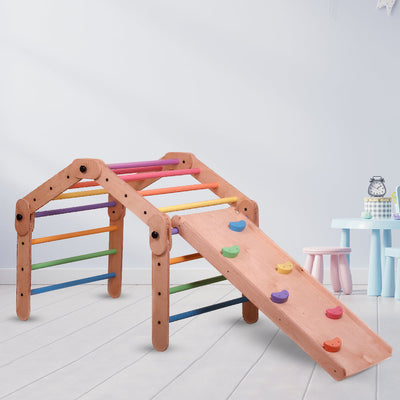
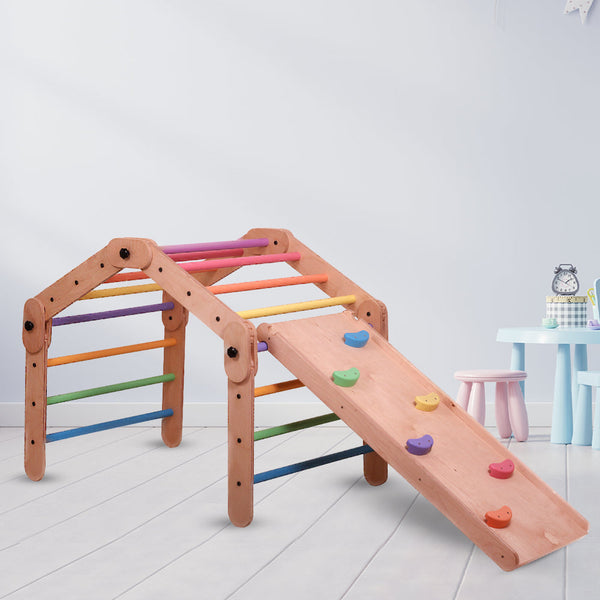
Sometimes, outdoor conditions – whether extreme heat, heavy monsoon rains, or poor air quality – simply make outdoor play unsafe. This doesn't mean gross motor development stops. Transform indoor spaces into "gross motor zones." Set up obstacle courses with cushions, encourage climbing on child-safe furniture, or use indoor gross motor skill toys like stepping stones or small tunnels. Dancing to music, doing animal walks, or simply engaging in vigorous imaginative play can provide essential physical outlets.
Nurturing Health and Awareness in a Changing World
As parents, our role extends beyond simply providing activities; it's about modeling adaptability and resilience. By consciously adjusting our routines and creative with resources, we teach children how to connect with and respect their environment. This approach aligns perfectly with Montessori's holistic view of the child – nurturing not just physical strength but also their capacity for problem-solving and environmental stewardship.
The changing climate presents a unique opportunity to instill in our children a deeper understanding of nature and the importance of adapting. By making informed choices about outdoor play climate change India, we empower them to be observant, resilient, and active participants in their world, ready to face its complexities with confidence and joy.