Outdoor Play Eye Health: Protecting Indian Kids from Myopia
Daily outdoor play eye health for children is fundamentally protected by exposure to natural light and engaging in distant viewing, both critical factors in reducing the progression of screen-time myopia. Research from leading ophthalmic institutions in India and globally consistently shows that even 60 minutes of outdoor time daily can significantly lower the risk of developing nearsightedness, a condition rapidly increasing among Indian children.
As reports from India Today and The Times of India highlight the alarming rise of myopia and the damaging effects of screen time on vision, Indian parents are seeking effective solutions. Embracing outdoor play is not just about physical fitness; it's a powerful, science-backed strategy to safeguard your child's precious eyesight against modern challenges.
What is Screen-Time Myopia and Why Does it Matter to Indian Parents?
Myopia, commonly known as nearsightedness, is an eye condition where distant objects appear blurry while near objects are clear, often caused by the eyeball growing too long. This matters profoundly because its prevalence is skyrocketing among Indian children, directly impacting their academic performance and daily life. Indian parents can proactively support their child's visual health by prioritizing regular outdoor activities.
The term 'screen-time myopia children India' reflects a growing epidemic, with experts weighing in on its impact on children's vision, as reported by Business Standard. Extended periods spent focusing on close-up screens like smartphones and tablets put significant strain on a child's developing eyes. This constant near-focus, combined with a lack of natural light exposure, creates an environment ripe for the development and progression of myopia.
The Science Behind Outdoor Play and Healthy Vision
Research shows that the vibrant, natural light outdoors is a key player in preventing myopia kids. Unlike artificial indoor lighting, natural sunlight triggers the release of dopamine in the retina. Child development experts agree that this neurotransmitter helps regulate the growth of the eyeball, preventing it from elongating excessively—a primary cause of myopia.
Moreover, playing outdoors naturally encourages children to look at objects at varying distances. From spotting a bird in the sky to chasing a ball across a field, their eyes constantly adjust focus, exercising the ciliary muscles responsible for vision. This contrasts sharply with the static, near-focus required by screens, which contributes to eye strain and myopia progression. Maria Montessori's philosophy, emphasizing observation and interaction with the natural world, aligns perfectly with these scientific findings for optimal visual development.
Combating Screen-Time Myopia in Indian Children with Outdoor Activities
The battle against screen-time myopia is best fought with a dose of fresh air and open spaces. Studies indicate that even an hour of daily outdoor activity can significantly reduce the risk of myopia, acting as a natural shield for children's eyes. This is particularly crucial for Indian children, who often face intense academic pressure and increased reliance on digital learning tools.
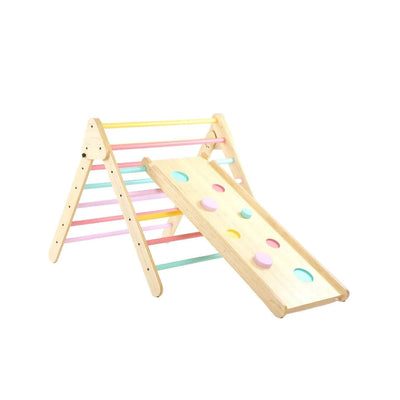
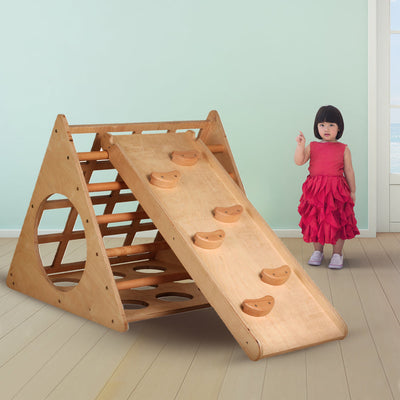
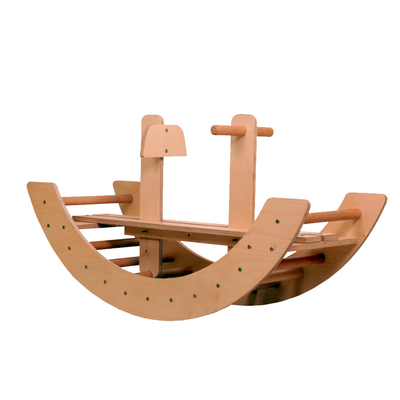
Encouraging activities like playing in the park, cycling through the neighbourhood, or even just helping in a home garden provides the essential mix of natural light and distant viewing. For younger children, exploring gross motor activities with a rolling barrel or large blocks in an outdoor setting can be both stimulating for physical development and beneficial for eye health. Explore our range of gross motor skill toys that encourage active, outdoor play.
Beyond Vision: Outdoor Play and Child Obesity Prevention
While protecting vision is paramount, the benefits of outdoor play vision extend far beyond the eyes. The Times of India recently highlighted how smartphones are making Indian children obese, underscoring another critical health crisis linked to sedentary lifestyles and screen time. Outdoor play is a powerful antidote to this trend.
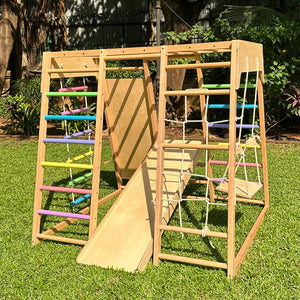
Engaging in vigorous physical activities like running, jumping, climbing, and playing team sports not only strengthens muscles and bones but also burns calories and improves cardiovascular health. This holistic approach to health ensures that children develop robustly, both physically and visually. Providing a variety of engaging Montessori educational toys that encourage movement can inspire children to explore and play actively outdoors.
Practical Tips for Integrating Outdoor Play into Indian Routines
Balancing academic demands and cultural expectations with outdoor time can be a challenge for Indian families. However, incorporating even short bursts of outdoor activity can make a significant difference. Consider evening strolls with grandparents, encouraging street games with friends, or making weekend trips to local parks a family tradition.
Even small spaces like balconies or apartment complex play areas can be utilized for activities. During festivals, instead of just indoor celebrations, encourage children to participate in outdoor games or decorations. Make outdoor time a non-negotiable part of the daily schedule, just like mealtimes or homework. Remember, consistency is key for both eye health and overall well-being.
- Daily outdoor play is crucial for protecting children's eye health and combating screen-time myopia.
- Natural light exposure stimulates dopamine release in the retina, regulating eye growth and reducing myopia risk.
- Looking at distant objects during outdoor play reduces eye strain and promotes healthy visual development.
- At least 60 minutes of outdoor time daily is recommended by experts to prevent myopia progression.
- Outdoor play provides a holistic solution, simultaneously addressing concerns like child obesity and promoting overall physical activity.
- Prioritizing outdoor time helps mitigate the negative impacts of increased screen usage in Indian children.
How does outdoor play protect children's eyes?
Outdoor play protects children's eyes primarily through exposure to natural light and by encouraging distant viewing. Natural light stimulates dopamine release in the retina, which helps regulate eye growth, while looking at objects far away reduces eye strain from close-up screen time.
How much outdoor time is recommended to prevent myopia in kids?
Child development experts and ophthalmologists in India recommend at least 60 minutes of daily outdoor time to effectively help prevent myopia progression in children. This duration provides sufficient natural light exposure and opportunities for varied visual focus.
Can outdoor play reverse screen-time myopia?
While outdoor play cannot reverse existing myopia, it is highly effective in slowing its progression and reducing the risk of its onset, especially screen-time myopia. Consistent outdoor exposure helps manage the factors that contribute to worsening nearsightedness.
What kind of outdoor activities are best for eye health?
Any outdoor activity that encourages children to look at varying distances and interact with their surroundings is beneficial for eye health. Running, playing sports, exploring nature, cycling, or simply playing in a park are all excellent choices for protecting vision.
What are the long-term risks of untreated myopia in children?
Untreated or worsening myopia in children can lead to higher risks of serious eye conditions later in life, including retinal detachment, glaucoma, and cataracts. Early intervention and preventative measures like outdoor play are crucial for long-term ocular health.