Outdoor Play for Toddler Milestones India: Beat Screen Delays
Outdoor play for toddler milestones India significantly counters screen time delays by providing essential sensory input, fostering physical coordination, and stimulating cognitive development, enabling children to achieve vital developmental milestones for their growth. Research shows that toddlers engaged in regular outdoor activities demonstrate superior gross motor skills and cognitive abilities compared to those with high screen exposure, as highlighted by concerns from The Indian Express regarding Indian toddlers missing milestones due to excessive screen time.
What is the impact of screen time on child development? Excessive screen time for toddlers disrupts natural learning processes, leading to delays in language, social-emotional, and gross motor skills. This matters because early childhood is a critical window for foundational development. Indian parents can actively reduce screen exposure by prioritizing interactive, real-world experiences like outdoor play.
Combatting Screen Time Delays: Why Outdoor Play is the Solution
The growing concern over the impact of screen time on child development in India is undeniable, with reports from Hindustan Times urging parents to know recommended screen times for every age group. For toddlers, even limited exposure can displace crucial opportunities for exploration and interaction. Outdoor play directly addresses this challenge by immersing children in a multi-sensory environment.
Child development experts agree that unstructured outdoor time is paramount for cognitive flexibility and problem-solving. A study published in the journal "Pediatrics" found that children with more green time exposure exhibited better attention spans and lower impulsivity, directly countering some negative effects of prolonged screen engagement. This natural engagement helps reduce screen time toddlers India are exposed to, redirecting their energy towards constructive learning and growth.
Gross Motor Activities for Toddlers: Building Foundational Strength
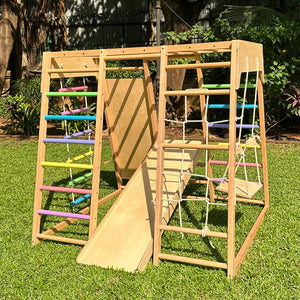
Engaging in gross motor activities for toddlers outdoors is fundamental for developing coordination, balance, and spatial awareness. Simple acts like running on grass, climbing a small hill, or navigating uneven terrain challenge a child’s muscles and vestibular system in ways indoor environments cannot replicate. These movements are critical for future academic success, as a strong physical foundation supports focus and learning.
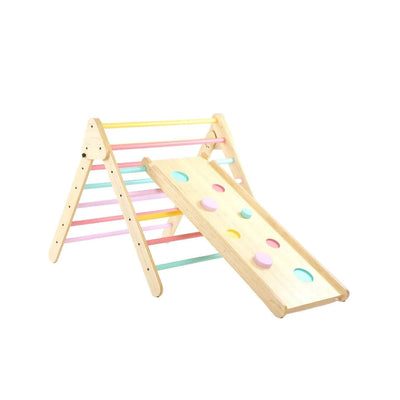
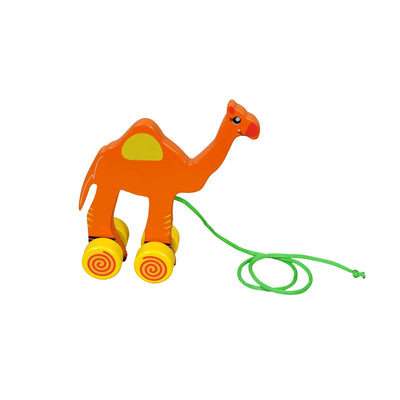
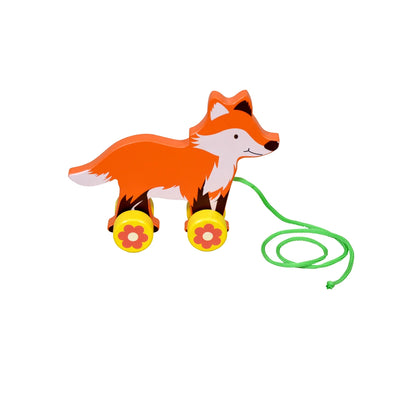
For instance, activities like pushing a toy cart, kicking a ball, or swinging not only strengthen core muscles but also enhance proprioception – the body’s sense of its position in space. SkilloToys offers a range of gross motor skill toys designed to complement these natural movements, encouraging children to explore their physical capabilities. Grandparents, often a strong presence in Indian homes, can become wonderful play companions, engaging toddlers in these simple yet profound activities.
Montessori Outdoor Play Benefits for Holistic Growth
The philosophy of Maria Montessori strongly emphasizes the profound connection between children and nature, advocating for extensive outdoor learning. The Montessori outdoor play benefits extend far beyond physical development, fostering independence, concentration, and a deep respect for the natural world. Children learn to observe, question, and interact with their environment, echoing the principles found in Montessori educational materials.
Through hands-on exploration of sand, water, leaves, and stones, toddlers develop fine motor skills and sensory discrimination, which are precursors to more complex tasks like writing or using practical life tools. This unstructured play also encourages imaginative thinking and social interaction, crucial for emotional intelligence and collaborative skills. A child discovering an ant trail or planting a small seed is engaged in a powerful, self-directed learning experience.
Overcoming Developmental Delays: Practical Solutions for Indian Families
Addressing developmental delays screen time solutions involves more than just limiting devices; it requires intentional encouragement of alternative, enriching activities. For Indian families, incorporating outdoor play can be seamless, even with urban living or joint family structures. Utilizing balconies for sensory bins, visiting local parks daily, or organizing playdates in common community spaces are effective strategies, as highlighted by The Times of India's emphasis on outdoor play's importance.
Child development experts recommend aiming for at least 60 minutes of unstructured outdoor play daily for toddlers, broken into smaller sessions if needed. This consistent exposure helps children aged 18-24 months refine their walking, climbing, and communication skills. During festivals or family gatherings, encouraging outdoor games rather than screen time can become a cherished tradition, reinforcing healthy habits and strong family bonds across India, as suggested by resources like The Better India.
- Outdoor play directly counters screen time's negative impact on toddler development, improving physical and cognitive skills.
- Child development experts recommend at least 60 minutes of daily unstructured outdoor play for toddlers.
- Engaging in gross motor activities outdoors builds foundational strength, coordination, and spatial awareness.
- Maria Montessori’s philosophy emphasizes nature's role in fostering independence, concentration, and sensory development.
- Consistent outdoor exposure helps toddlers aged 18-24 months reach critical milestones in walking, climbing, and communication.
- Prioritizing real-world interaction over digital screens is crucial for holistic child development in India.
How much outdoor play do toddlers in India truly need to counter screen time?
Child development guidelines recommend toddlers receive at least 60 minutes of unstructured outdoor play daily. This consistent engagement provides critical sensory input and physical activity that directly counters the sedentary nature of screen time, promoting holistic development.
What are the immediate signs that screen time is affecting my toddler's development?
Immediate signs include delayed language acquisition, reduced attention span, difficulty with gross motor skills like balancing or climbing, and challenges in social interaction. Experts note that excessive screen exposure can lead to reduced opportunities for essential real-world learning.
How can Indian parents living in apartments encourage outdoor play?
Even in apartments, parents can encourage outdoor play by utilizing balconies for sensory activities, frequent visits to nearby parks, or creating a designated "movement corner." Leveraging community open spaces and organizing playdates with other children are also effective strategies.
What specific Montessori principles align with outdoor play for toddlers?
Montessori principles like "prepared environment," "freedom of movement," and "connection to nature" are perfectly aligned with outdoor play. Nature itself becomes the prepared environment, offering children freedom to explore and learn through direct sensory experiences, fostering independence.
Can outdoor play truly reverse developmental delays caused by screen time?
Consistent and varied outdoor play can significantly mitigate and often reverse developmental delays caused by excessive screen time. It reactivates neural pathways for motor skills, language, and social learning, providing the rich experiences necessary for brain development to catch up and thrive.
Embracing outdoor play is not just an activity; it is a foundational pillar for healthy child development in an increasingly digital world. For Indian parents, making this shift is a powerful step towards ensuring toddlers not only overcome screen time-related delays but also flourish, reaching their full potential. Let us encourage our little ones to step out, explore, and grow, one joyful outdoor adventure at a time.