Outdoor Play Opportunities for Indian Kids: A Guide
Indian children today face significantly fewer outdoor play opportunities for Indian kids compared to previous generations, a trend that critically impacts their physical and cognitive development. This decline is largely driven by increased academic pressures, urbanisation leading to limited safe spaces, and the pervasive allure of digital devices. Parents can effectively counteract this by consciously integrating nature into daily routines, creating engaging home environments, and prioritising community outdoor excursions.
Outdoor play opportunities for Indian kids refer to any activity conducted outside that allows children to explore, interact with nature, and engage in physical movement. This matters immensely because it fosters holistic development, strengthening gross motor skills, enhancing sensory perception, and building resilience. Indian parents can facilitate this by seeking out parks, engaging in balcony gardening, and choosing toys that encourage active, outdoor engagement.
Understanding the Decline: Reasons for Less Outdoor Play in India
Research indicates a notable reduction in outdoor play for Indian children, a concerning trend highlighted by recent news articles. Several interconnected factors contribute to these reasons for less outdoor play in India, creating a challenging landscape for parents eager to foster their child's physical development. One primary driver is the intense academic pressure prevalent in the Indian education system.
From a young age, children are often enrolled in tuitions and extracurricular classes focused solely on academics, leaving little time for unstructured outdoor play. Coupled with this, urbanisation has led to diminishing green spaces and increased traffic, raising genuine safety concerns for parents. The fear of accidents or strangers often compels parents to keep children indoors, restricting their natural impulse to explore.
The pervasive presence of digital devices also plays a significant role, diverting children's attention away from the outdoors. Children spend hours on screens, contributing to rising issues like myopia, as reported by Healthcare Radius. While indoor games offer some fitness benefits, as The Times of India notes regarding Delhi air pollution, they cannot fully replicate the unique developmental advantages of natural outdoor environments.
Benefits of Outdoor Play for Indian Children
Despite the challenges, the benefits of outdoor play for Indian children are profound and essential for their holistic growth. Studies indicate that regular outdoor activity significantly boosts physical health, reducing the risk of obesity and improving cardiovascular fitness. This active engagement is crucial for developing strong gross motor skills, which are fundamental for coordination, balance, and agility.
Beyond physical health, outdoor play enhances cognitive development and sensory processing. Children who play outdoors regularly exhibit better problem-solving skills, increased creativity, and improved attention spans. They engage multiple senses – touching different textures, hearing natural sounds, seeing vibrant colours – which is a core tenet of Montessori education, where learning through direct experience is paramount.
Furthermore, outdoor environments foster crucial social and emotional skills. Whether playing with friends in the neighbourhood park or exploring nature with siblings and cousins in a joint family setup, children learn negotiation, cooperation, and conflict resolution. This free play also provides a vital outlet for stress, promoting emotional well-being and a deeper connection to their natural surroundings, reinforcing the idea that outdoor play is as important as study time.
Creating More Outdoor Play Opportunities: Practical Steps for Indian Parents
Empowering children to play outdoors is a conscious effort, and there are many effective ways for how to encourage outdoor play India-wide. Parents can become proactive advocates for their child's access to nature and physical activity, transforming everyday environments into exciting play zones.
Reclaiming Neighborhood Spaces
Even in bustling Indian cities, opportunities exist. Take your child to local parks, community gardens, or even the society's open grounds. Supervised play in these shared spaces not only offers fresh air and movement but also helps children build a sense of community. Encourage interactions with other children, fostering social skills alongside physical activity. Simple games like catch-catch, hide-and-seek, or even just running freely can make a huge difference.
Montessori Outdoor Activities at Home
Maria Montessori firmly believed in the child's connection to nature. For parents with limited access to large outdoor spaces, consider incorporating Montessori outdoor activities India-style right at home. A small balcony can become a vibrant learning space with a mini herb garden where children can plant seeds, water plants, and observe growth. Sensory bins filled with sand, pebbles, leaves, or water offer tactile exploration. Even simple nature walks around the block, collecting interesting leaves or stones, become rich learning experiences when approached with a curious, Montessori mindset.
Integrating Play with Daily Routines
The key to consistent outdoor play is integrating it naturally into the daily schedule. Instead of viewing it as an extra task, consider it an essential part of the day. A quick 30-minute play session after school before starting homework, or a family walk before dinner, can make a significant impact. Weekends can be dedicated to trips to a nearby lake, a botanical garden in Bengaluru, or even a local market, transforming mundane errands into sensory-rich outdoor explorations.
Choosing the Right Educational Outdoor Toys
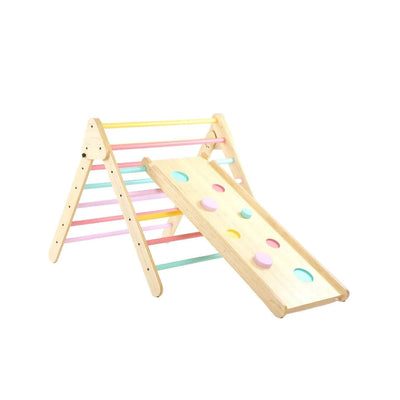
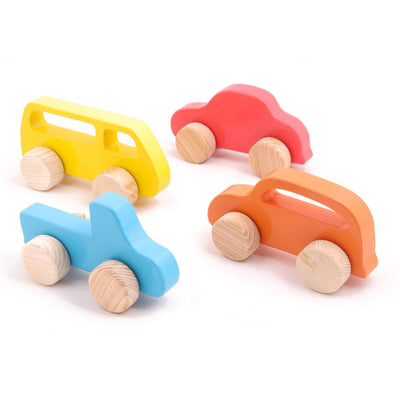
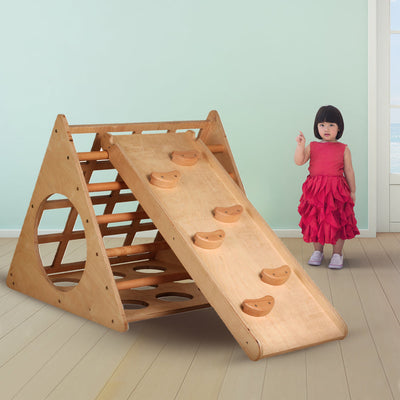
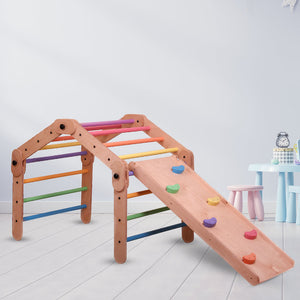
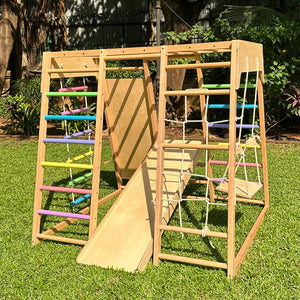
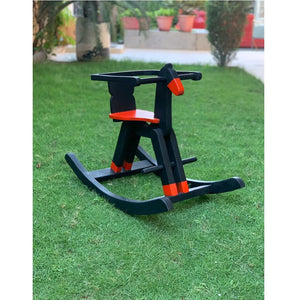
The right tools can significantly enhance the outdoor play experience. Look for educational outdoor toys India parents can rely on to promote physical development and imaginative play. Items that encourage climbing, balancing, throwing, and catching are excellent for gross motor skill development. Consider skipping ropes, hula hoops, child-sized gardening tools, or even a simple ball, which offers endless possibilities for active fun. SkilloToys offers a range of high-quality, durable toys designed to withstand outdoor adventures while stimulating learning and growth.
- Indian children experience fewer outdoor play opportunities due to urbanisation, academic pressure, and digital distractions.
- Outdoor play is crucial for developing gross motor skills, cognitive function, and social-emotional intelligence in children.
- Parents can create outdoor opportunities by utilising local parks, community spaces, and even small home balconies.
- Montessori principles support outdoor learning through direct engagement with nature, like gardening and nature walks.
- Intentional scheduling of outdoor play within daily routines is vital for balancing academics and physical activity.
- Choosing educational outdoor toys that promote active exploration significantly enhances a child's developmental journey.
What are the main reasons Indian kids play less outdoors?
Indian children play less outdoors due to increased academic pressure, safety concerns in urban areas, rising digital screen time, and limited access to safe play spaces. These factors collectively reduce opportunities for free, unstructured outdoor exploration.
How can parents in apartments create outdoor play opportunities?
Parents in apartments can utilise balconies for small-scale gardening, create sensory bins with natural elements, or take regular walks to nearby parks. Even short, supervised trips to communal gardens or open areas within society can be highly beneficial.
What role do grandparents play in encouraging outdoor play?
Grandparents, often central to Indian joint families, can encourage outdoor play by sharing traditional games, accompanying children to parks, and recounting their own childhood outdoor experiences. Their involvement adds a valuable layer of supervision and cultural continuity to outdoor activities.
Are there specific outdoor activities suitable for all age groups?
Yes, activities like nature walks, collecting natural treasures, and simple ball games are suitable for a wide range of ages, from toddlers to older children. Adapting the complexity and supervision level ensures engagement and safety for every age group.
How can I balance academics with outdoor play for my child?
Balancing academics with outdoor play requires intentional scheduling and setting clear boundaries for screen time. Integrating short bursts of outdoor activity between study sessions, or dedicating specific after-school hours to play, can create a harmonious routine that prioritises holistic development.