Outdoor Play Safety India: Parent's Guide to Safe Spaces
Ensuring robust outdoor play safety India is paramount for every parent. Recent tragic incidents, like Karnataka's arch collapse, highlight this crucial need. This guide empowers parents to create safe, joyful outdoor experiences.
Outdoor play safety in India involves secure environments, age-appropriate equipment, and vigilant supervision protocols. This ensures children develop gross motor skills without undue risk. Indian parents must assess playgrounds, maintain home play areas, and educate children on safety.
Prioritising Safe Playgrounds India: A Critical Review
Child development experts agree that access to safe outdoor spaces is vital for holistic growth. When evaluating safe playgrounds India, parents must proactively assess safety. Recent events underscore the critical need for vigilance, as infrastructure can fail without proper maintenance.
Research indicates that falls are the leading cause of playground injuries, accounting for over 70% of accidents. This necessitates appropriate fall-absorbing surfaces like sand or rubber mulch beneath all play equipment. Hard surfaces like concrete or asphalt are simply unacceptable in designated play zones.
Many Indian community parks and apartment complexes often lack consistent safety audits. Parents, alongside grandparents, must visually inspect for hazards like sharp edges, rust, or loose bolts. Advocate for regular maintenance and demand accountability from local authorities or associations.
Inspecting Playground Equipment Safety Before Play
Before allowing children to play, a thorough check of playground equipment safety is paramount. Examine swings for secure attachments and absence of entanglement hazards. Always ensure slides have smooth surfaces and clear landings, checking their temperature under the sun.
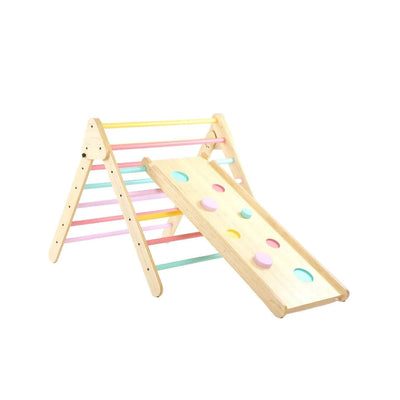
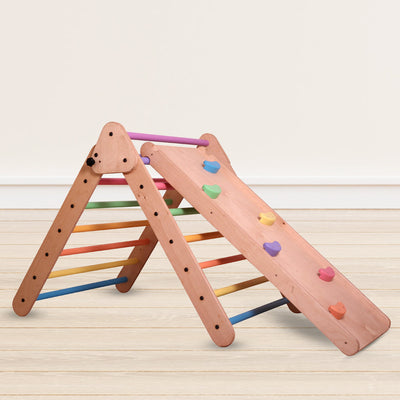
Ensure all climbing structures are stable, with no broken rungs or splinters. For younger children (18-36 months), confirm equipment is age-appropriate. SkilloToys.com offers Montessori learning materials and toys that prioritise safety and durability, preparing children for outdoor challenges.
Creating Safe Outdoor Spaces for Kids at Home & Beyond
Beyond public playgrounds, children play significantly in home gardens, terraces, or community common areas. Ensuring safe outdoor spaces for kids in these familiar environments is equally important. This demands continuous adult supervision to prevent unforeseen accidents.
For home gardens, ensure fences or gates are secure to prevent wandering onto streets. Remove toxic plants, sharp tools, or chemicals from play zones. For terrace play, railings must be robust and high enough to prevent falls.
Even in apartment common areas, adults must be present, actively monitoring for hazards or conflicts. Grandparents play a vital role in supervision, identifying risks and ensuring children adhere to safe play boundaries. Encourage vigilance about heat exposure and hydration, especially during peak afternoon hours.
Preventing Outdoor Play Injuries: Practical Tips for Parents
Effective preventing outdoor play injuries begins with preparation and awareness. Dress children in comfortable, breathable clothing appropriate for the weather, considering India's early heatwaves. Closed-toe shoes with good grip are essential to prevent slips and falls.
Hydration is critical; always carry water, encouraging frequent sips to combat dehydration and fatigue. Apply sunscreen with adequate SPF and consider wide-brimmed hats for sun protection. AQI warnings, like those in Delhi-NCR, necessitate checking air quality before outdoor sessions.
Teach children basic safety rules: waiting for swings to stop, looking before running, and respecting personal space. For toddlers, constant close supervision is necessary. As children grow (3-6 years), encourage them to identify dangers, fostering self-preservation. SkilloToys' gross motor skill collection builds strength and coordination, foundational for safe outdoor adventures.
Understanding Risk vs. Hazard: Empowering Children Through Guided Exploration
Maria Montessori’s philosophy emphasizes a 'prepared environment' allowing freedom within limits. This extends to outdoor play, differentiating healthy risks from hazards. A 'risk' involves climbing a challenging structure, where a child learns balance, even if a minor stumble occurs.
A 'hazard,' conversely, is an unacceptable danger like a rusty nail or loose swing chain. Such hazards offer no developmental benefit and carry a high probability of serious injury. Studies show supervised outdoor play with moderate risk-taking significantly enhances children's problem-solving skills, resilience, and spatial awareness.
Empower children by teaching them to assess situations, listen to their bodies, and communicate when unsafe. This fosters independent decision-making and builds confidence. Providing opportunities to safely navigate physical challenges is crucial for developing essential gross motor skills and a robust sense of self-efficacy.
Age-Appropriate Outdoor Equipment & Supervision
Selecting appropriate outdoor equipment and supervision intensity is paramount for different age groups. For infants and toddlers (12-36 months), soft ground covers and low-height structures are essential, requiring closer, hands-on supervision.
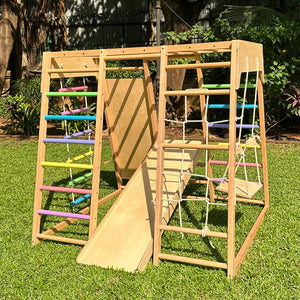
Preschoolers (3-6 years) benefit from climbing frames, slides, and swings challenging strength and coordination, always with an adult nearby. Older children (6+ years) can engage in more complex activities, but still require periodic check-ins and safety discussions. Matching equipment to a child's developmental stage is a cornerstone of Montessori education.
- Outdoor play safety in India requires proactive parental vigilance over environments and equipment, responding to current tragic events.
- Falls account for over 70% of playground injuries, necessitating safe, impact-absorbing surfaces like sand or rubber mulch beneath all play structures.
- Regular inspection of public, home, and community play areas for hazards like rust, sharp edges, and loose components is critically important.
- Hydration, sun protection, and appropriate clothing are essential measures to prevent heat-related issues, especially during India's early heatwave seasons.
- Differentiating between healthy risks (learning opportunities) and dangerous hazards (injury threats) empowers children's development.
- Active adult supervision, even in familiar spaces like home gardens or apartment common areas, remains the most effective strategy for preventing outdoor play injuries.
What is the most common cause of outdoor play injuries in India?
Research indicates that falls are overwhelmingly the most common cause of outdoor play injuries, accounting for over 70% of all accidents. These often result from inadequate fall-absorbing surfaces or improper use of equipment, highlighting the need for vigilant oversight.
How can I ensure a public playground is safe for my child?
Parents should visually inspect for hazards like sharp edges, rust, loose bolts, and ensure equipment is age-appropriate. Always check for adequate, fall-absorbing surfaces such as sand or rubber mulch beneath all play structures, and observe for general cleanliness and proper maintenance.
What role do grandparents play in ensuring outdoor play safety?
Grandparents are often vital caregivers, providing invaluable supervision and identifying potential risks, especially within joint family settings. Their experience helps ensure children adhere to safe play boundaries and are adequately protected from elements like the sun, particularly during family outings or school breaks.
How does SkilloToys promote safe physical development for outdoor play?
SkilloToys provides Montessori-aligned materials that build foundational gross motor skills, balance, and coordination indoors. This development prepares children physically and confidently for outdoor challenges, ensuring they have the competence and confidence to navigate various play environments safely and joyfully.
Should children be allowed to take risks during outdoor play?
Yes, supervised risk-taking is crucial for development, fostering resilience and problem-solving skills. The key is to differentiate between healthy, calculated risks (e.g., climbing a new structure) and unacceptable hazards (e.g., broken equipment that offers no learning opportunity).