Outdoor Play Urban India: Designing Montessori City Spaces
Creating effective outdoor play urban India spaces using Montessori principles involves designing a 'prepared environment' that fosters independence, exploration, and gross motor development within city constraints. This approach ensures children can engage freely with their surroundings, developing crucial physical and cognitive skills despite the challenges of dense urban living.
As Indian parents, we're keenly aware of the growing shift towards indoor activities. With headlines from India Today highlighting 'More screens, less sunshine' leading to vitamin D deficiency and The Times of India warning 'How smartphones are making your child obese,' the urgency to get children moving outdoors is palpable. This guide offers practical ways to weave Montessori principles into urban environments, ensuring your child experiences the profound benefits of nature and movement, even in bustling Bengaluru or Mumbai.
What is Montessori Urban Play Design?
Montessori urban play design focuses on creating child-centric, accessible outdoor environments within cities that encourage self-directed activity and sensory exploration. This matters because it directly counters rising screen time and promotes holistic physical and mental well-being. Indian parents can adapt existing spaces or seek out environments that prioritize natural elements and freedom of movement.
The Essence of a Prepared Montessori Outdoor Environment in Indian Cities
Maria Montessori's philosophy champions the 'prepared environment,' a space meticulously designed to support a child's natural development and independence. For outdoor play in bustling Indian cities, this means creating safe, accessible, and stimulating areas that invite exploration and learning.
Child development experts agree that a well-prepared outdoor environment offers rich sensory experiences crucial for cognitive growth. This includes varied textures underfoot, the sounds of nature (even amidst city bustle), and opportunities to interact with elements like water and plants. Research indicates that children spending more time outdoors exhibit reduced stress levels and improved concentration.
Transforming Small Spaces: Creating Play Havens for Urban Indian Children
Indian urban homes, whether apartments or houses within a joint family setup, often come with compact outdoor spaces like balconies, terraces, or small courtyards. These areas can be ingeniously transformed into rich Montessori play zones. Start by decluttering and ensuring safety, then introduce elements that encourage natural exploration.
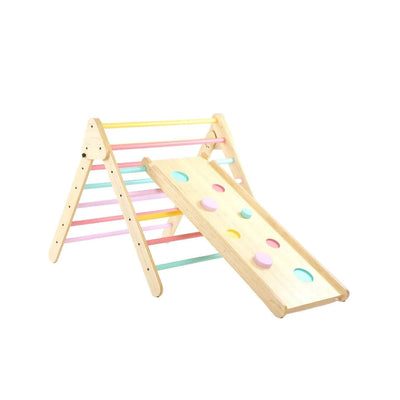
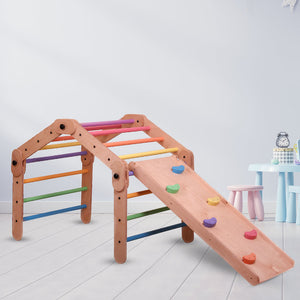
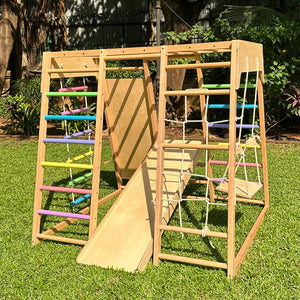
Consider adding potted plants for child-led gardening, a small sand or water table for sensory play, and simple DIY gross motor structures like low balance beams or stepping stones. Loose parts play—using natural materials like pebbles, leaves, and twigs—allows for open-ended creativity. SkilloToys offers excellent gross motor skill development materials that are perfect for enhancing climbing, balancing, and coordination in these compact settings.
Beyond the Backyard: Embracing Public & Community Spaces for Mumbai Kids Outdoor Activities and More
Not every home has extensive outdoor space, and that's where urban public areas become vital. The Architect Magazine article highlights how enhancing outdoor free play benefits kids in Mumbai, and this principle extends across all Indian cities. Local parks, community gardens, and even designated areas within housing societies offer invaluable opportunities for children to connect with their environment.
Organize trips to city parks like Bengaluru's Cubbon Park or Mumbai's Sanjay Gandhi National Park, which offer more expansive natural settings. Even a walk through a local market can be a sensory feast, providing opportunities for observation and interaction. These outings support large muscle development and expose children to the diverse tapestry of Indian urban life.
Addressing Free Play Urban Challenges with Montessori Solutions
Urban living presents unique challenges for outdoor play: pollution, traffic, safety concerns, and limited green spaces. A Montessori approach helps parents navigate these by emphasizing quality over quantity and intentional design. It's about creating pockets of freedom within controlled, safe parameters.
For example, choosing off-peak hours for park visits can reduce exposure to pollution and crowds. Establishing clear boundaries and rules within a community play area helps ensure safety while allowing independence. Studies show that a lack of physical activity contributes significantly to childhood obesity, a growing concern highlighted by media in India, making these intentional play opportunities even more critical.
Nurturing Gross Motor Skills and Connection to Nature in the Concrete Jungle
Gross motor skills are foundational for all subsequent physical and cognitive development. In an urban environment, providing diverse opportunities for running, jumping, climbing, and balancing is essential. Montessori outdoor spaces, however small, are designed to naturally encourage these movements.
Integrating natural materials and allowing children to interact with elements like sand, water, and plants fosters a deeper connection to nature, even amidst city sounds. This sensory engagement is vital for overall well-being. SkilloToys is dedicated to providing Montessori Method Learning Materials Toys that support this holistic development, bridging indoor learning with outdoor exploration.
Designing urban play spaces with Montessori principles empowers children to become active, independent explorers of their world. It’s an investment in their physical health, cognitive development, and a lifelong love for learning through direct experience. Let's create these essential outdoor havens for our children, ensuring they thrive in the heart of India's vibrant cities.
- Creating Montessori outdoor play urban India spaces fosters independence and gross motor development.
- The 'prepared environment' concept applies to outdoor settings, prioritizing safety, accessibility, and natural elements.
- Small urban spaces like balconies and terraces can become rich play zones with intentional design and loose parts.
- Leveraging public parks and community areas is crucial for expansive outdoor experiences in cities like Mumbai.
- Montessori principles offer solutions to urban challenges like pollution and limited space through quality, supervised play.
- Outdoor free play directly counters screen time, vitamin D deficiency, and childhood obesity.
How can I create a Montessori outdoor environment in a small urban Indian home?
You can transform balconies or terraces into play zones with potted plants, sensory bins, and child-sized gardening tools. Emphasize natural materials and loose parts, ensuring the space is safe and accessible for independent exploration, even within a joint family setup.
What are the benefits of Montessori outdoor free play for children in Indian cities?
Montessori outdoor free play significantly boosts gross motor skills, problem-solving abilities, and sensory development. It also counters rising screen time, reduces the risk of vitamin D deficiency, and fosters a deep connection with nature, which is crucial for holistic growth in urban settings.
How do Montessori principles address common free play urban challenges like pollution or safety?
Montessori principles address urban challenges by advocating for supervised, purposeful exploration in designated safe zones, even if small. This involves choosing less-polluted times for outdoor play and creating 'prepared environments' with secure boundaries, allowing focused engagement despite city constraints.
Are there specific activities for urban Indian children to develop gross motor skills outdoors?
Yes, activities like climbing on small structures, balancing on curbs, running in open parks, and navigating natural obstacles are excellent. Incorporating games like hide-and-seek or simple races in community spaces helps develop strength, coordination, and agility.
What role do natural elements play in a Montessori outdoor environment for city kids?
Natural elements like plants, soil, water, and stones are fundamental in a Montessori outdoor environment, even in cities. They provide rich sensory experiences, encourage observation, and foster a sense of wonder and respect for the natural world, combating the disconnect often experienced in urban settings.