Outdoor Play & Vitamin D for Kids: Boost Sunshine Safely
Outdoor play provides essential sunlight exposure, allowing children's skin to naturally synthesize Vitamin D, a crucial nutrient often deficient in Indian children due to increased indoor time and screen use. Research shows that incorporating outdoor play vitamin d for kids is crucial for combating rising deficiency rates, a trend exacerbated by modern lifestyles and highlighted in recent news stories like 'More screens, less sunshine: Why children are becoming vitamin D deficient.'
This critical health concern for Indian parents directly links to the benefits of active outdoor engagement. SkilloToys, India's leading Montessori educational toys store in Bengaluru, champions purposeful play that nurtures holistic child development, making outdoor exploration a cornerstone of a healthy childhood.
What is Vitamin D and Why Do Indian Children Need It?
Vitamin D is a fat-soluble vitamin essential for bone health, immune function, and overall growth. This matters because a significant percentage of Indian children face vitamin d deficiency in children india, leading to risks like rickets and weakened immunity. Indian parents can combat this by ensuring regular, safe exposure to natural sunlight.
Studies indicate that up to 70-90% of the Indian population across all age groups may be Vitamin D deficient, a alarming statistic for our children's future. This widespread deficiency can compromise bone density, increase susceptibility to infections, and impact mood and cognitive development. Ensuring adequate Vitamin D is not just about bones; it’s about fostering robust health from childhood.
The Science of Safe Sunlight Exposure for Kids
Sunlight exposure is the body's primary and most efficient way to produce Vitamin D. When skin is exposed to ultraviolet B (UVB) rays from the sun, it triggers the synthesis of Vitamin D. This natural process is far more effective than dietary intake alone, especially for children who are growing rapidly.
Child development experts agree that controlled sunlight exposure for kids is paramount. For most Indian skin types, 10-15 minutes of direct sun exposure, on arms and legs, between 10 AM and 3 PM, three to four times a week, is generally sufficient. It is crucial to avoid prolonged exposure during peak harsh hours (typically 12 PM - 2 PM) to prevent sunburn, and always ensure adequate hydration.
Montessori Outdoor Activities: Nurturing Development Beyond the Classroom
Maria Montessori firmly believed in connecting children with nature, recognizing the profound impact of the outdoors on sensory and physical development. Montessori outdoor activities seamlessly integrate learning with natural exploration, providing invaluable opportunities for children to move freely, observe, and engage with their environment. These experiences are fundamental for holistic growth.
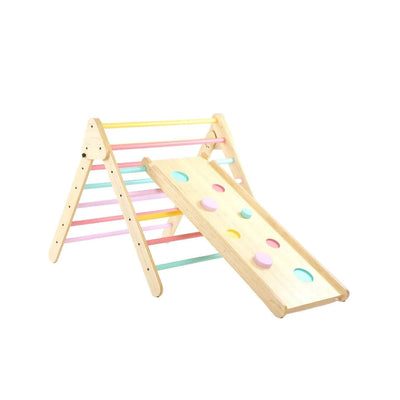
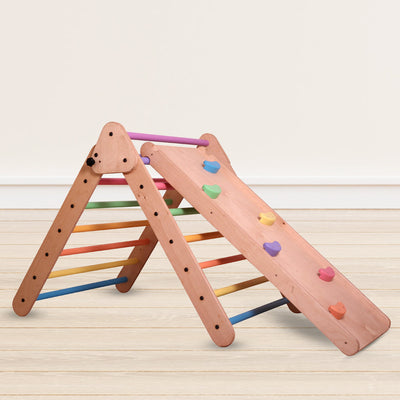
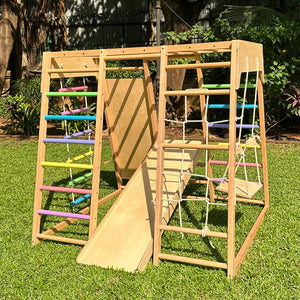
Consider simple activities like gardening, where children can dig, plant seeds, and water plants, fostering a sense of responsibility and connection to the earth. Nature walks encourage observation of flora and fauna, enhancing language and classification skills. Climbing structures, balance beams, and even running freely are vital gross motor skill activities that develop coordination, strength, and spatial awareness, all while soaking up beneficial sunshine.
Even in urban Indian settings, a balcony garden, a community park, or even a walk around the neighbourhood can become a rich Montessori learning environment. Providing simple tools like magnifying glasses, buckets, and shovels transforms an ordinary outdoor space into an adventure zone, aligning perfectly with Montessori principles of prepared environments and hands-on learning. SkilloToys offers a range of Montessori learning materials that complement outdoor exploration beautifully.
Combating Screen Time Effects on Health with Outdoor Play
The rise of digital devices has led to a significant increase in indoor time for Indian children, directly impacting their health. Prominent figures like Zoho's Sridhar Vembu and OpenAI's Sam Altman have publicly advocated for reducing children's screen time, urging parents to encourage outdoor play and reading instead. This sentiment resonates deeply with the current news narrative around 'More screens, less sunshine.'
Increased screen time not only reduces opportunities for Vitamin D synthesis but also contributes to sedentary lifestyles, poor posture, and potential eyesight issues. The screen time effects on health are well-documented, showing links to obesity, sleep disturbances, and even behavioural challenges. Shifting focus to active outdoor engagement is a powerful antidote to these modern-day health threats.
Encouraging children to play outdoors with educational outdoor toys provides a structured, engaging alternative to screens. From building blocks that can be used in a garden to nature exploration kits, these tools support both physical and cognitive development. This approach helps children develop crucial gross motor skills while also experiencing the joy and wonder of the natural world.
Practical Tips for Maximising Outdoor Play in India
Integrating more outdoor play into the busy lives of Indian families, especially with school pressure and urban living, requires intentional planning. Start by creating a daily routine that includes a dedicated outdoor slot, even if it's just 20-30 minutes. Consider using balconies or terraces as mini-play zones with potted plants for gardening, or designated areas for drawing with chalk.
Involve the entire family, including grandparents, in outdoor activities. A family walk to the local park, a game of hide-and-seek in the society garden, or even helping with chores like sweeping the courtyard can become opportunities for movement and sun exposure. Festivals also offer unique chances for outdoor celebrations and community play, reinforcing cultural connections while staying active.
For parents in Bengaluru and other bustling cities, exploring local parks, lakesides, or even designated children's play areas can offer safe and stimulating environments. Prioritize quality over quantity; even short, consistent bursts of outdoor time make a significant difference. Remember, the goal is to make outdoor play a natural, joyful part of daily life, fostering a lifelong love for nature and physical activity.
- Outdoor play is the primary, natural source of Vitamin D for Indian children.
- Vitamin D deficiency is widespread in India, impacting bone health and immunity.
- Safe sunlight exposure (10-15 min, 10 AM-3 PM) promotes essential Vitamin D synthesis.
- Montessori philosophy champions outdoor activities for holistic child development.
- Reducing screen time through outdoor play combats negative health effects and encourages physical activity.
- Integrating nature exploration, even in urban settings, is crucial for children's well-being.
How much sunlight exposure is ideal for children to get Vitamin D?
For most Indian children, 10-15 minutes of direct sunlight exposure on arms and legs, between 10 AM and 3 PM, three times a week, is generally sufficient for Vitamin D synthesis. However, always consider skin type, location, and consult a pediatrician for personalized advice.
Can children get enough Vitamin D without direct sun exposure?
While some foods like fortified milk and fatty fish contain Vitamin D, sunlight remains the most effective natural source. Dietary intake alone is often insufficient, especially for children in India where deficiency is widespread, making safe outdoor play essential.
What are the long-term effects of Vitamin D deficiency in children?
Long-term Vitamin D deficiency in children can lead to serious health issues, including rickets, weakened bones, impaired immune function, and increased risk of chronic diseases. Ensuring adequate Vitamin D through sunlight and diet is crucial for healthy development.
Are there specific Montessori activities that promote outdoor Vitamin D intake?
Montessori outdoor activities like gardening, nature walks, water play, and exploring natural elements inherently encourage sunlight exposure. These activities also foster gross motor skills, sensory development, and a love for the environment, all while naturally boosting Vitamin D.
How can Indian parents balance outdoor play with school pressure and safety concerns?
Indian parents can integrate short bursts of outdoor play during breaks, create nature-inspired spaces in balconies or small gardens, and prioritize family outings to parks on weekends. Emphasizing the health benefits to grandparents can also garner support, while choosing safe, supervised environments is key.