Reduce Screen Time: Outdoor Play for Indian Parents
To effectively reduce screen time outdoor play India, parents can implement structured outdoor routines, create engaging home-based outdoor activities, and leverage community spaces, significantly boosting children's physical and mental well-being. This proactive approach is crucial for addressing pressing health concerns like myopia, vitamin D deficiency, and childhood obesity, widely reported across India today.
Winning the Screen Time Battle is a strategic approach where parents actively replace passive screen consumption with engaging, developmental outdoor experiences. This matters because excessive screen time contributes to health issues like myopia and Vitamin D deficiency, as reported by India Today. Indian parents can implement simple, consistent outdoor routines to foster holistic child development.
The Urgency: Why Indian Children Need More Outdoor Play Now
The alarm bells are ringing across India. News headlines, like "More screens, less sunshine: Why children are becoming vitamin D deficient" from India Today, and "What’s driving the alarming rise of myopia in Indian children?" in Healthcare Radius, highlight a growing crisis. Children are spending unprecedented hours indoors, tethered to digital devices, leading to a detrimental impact on their health.
Studies indicate a strong correlation between increased screen time and a rise in childhood obesity, impaired social skills, and anxiety. Research shows that insufficient outdoor exposure contributes directly to these challenges. This makes finding effective how to get kids off screens India an urgent priority for every parent.
Practical Strategies for Integrating Outdoor Play into Indian Family Life
Moving children from screens to sunshine requires intentionality and creative planning, especially within the unique dynamics of Indian households. The good news is that even small, consistent efforts can yield significant results in providing screen time alternatives for kids.
The Montessori Approach to Outdoor Freedom
Maria Montessori firmly believed in the child's natural inclination to explore and learn from their environment. Applying the Montessori approach means preparing an outdoor space that invites discovery, allowing children freedom of movement and observation. This child-led exploration fosters independence and a deep connection to nature.
Encourage children to collect leaves, observe insects, or simply sit quietly and listen to the birds. This aligns with the Montessori principle of practical life skills and sensory exploration. Discover more about our Montessori Method Learning Materials that support holistic development.
Daily Dose of Sunshine: Structuring Outdoor Routines
Consistency is key to making outdoor play a habit. Just as you schedule meal times and study sessions, designate specific times for outdoor activities. Even 30-60 minutes daily can significantly boost a child's physical and mental well-being, providing essential Vitamin D and reducing eye strain.
Consider a morning walk to the local park or an evening play session before dinner. In joint families, grandparents can often take children for these outings, sharing stories and fostering a sense of community. "5 reasons why outdoor play time is as important for children as study or meal time" (The Times of India) reinforces this necessity.
Transforming Your Indian Home & Balcony into an Adventure Zone
Lack of a large backyard is no barrier to fostering outdoor play in India. Many Indian homes feature balconies, terraces, or even spacious living areas that can be transformed. Set up a mini-garden with potted plants, create an obstacle course with pillows and blankets, or use a simple water play setup on the balcony.
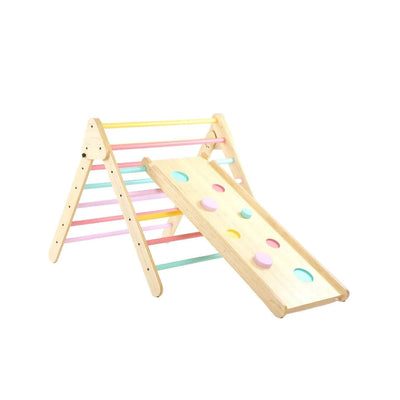
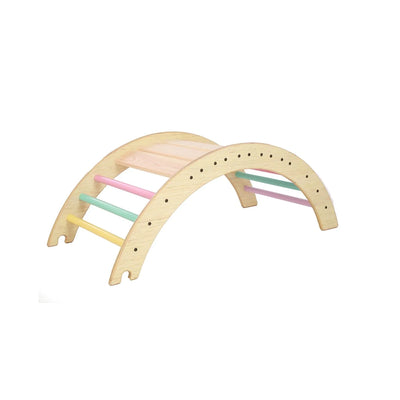
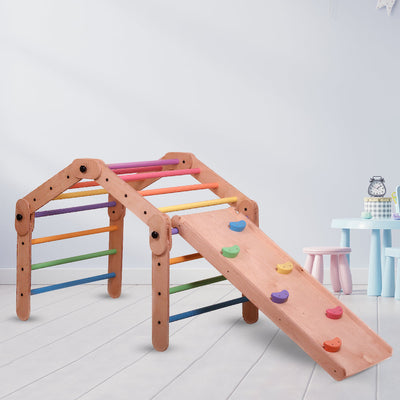
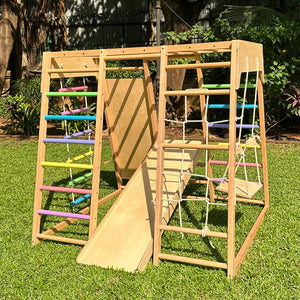
Simple tools like a skipping rope, a ball, or even a sturdy step stool can encourage crucial gross motor skill development. These activities provide engaging outdoor activities to reduce screen time, even within limited urban spaces. Encourage jumping, climbing, balancing, and crawling activities.
Leveraging Local Resources: Parks, Playgrounds & Festivals
Indian cities, including Bengaluru, boast numerous parks and playgrounds like Cubbon Park or Lal Bagh that are perfect for outdoor excursions. Make regular visits a family tradition. Engage in traditional Indian games like kho-kho, hopscotch (stapoo), or gilli-danda, which require active movement and social interaction.
Furthermore, local festivals often involve outdoor gatherings and games, providing excellent opportunities for children to engage in communal play. These experiences offer rich cultural context and promote physical activity simultaneously.
Creative Outdoor Activities to Reduce Screen Time
Beyond structured play, introduce creative outdoor activities that captivate children's imaginations. Nature scavenger hunts, mud kitchens, simple gardening, or even drawing with chalk on outdoor surfaces can provide hours of engaging fun. These activities inherently reduce screen time by offering compelling, hands-on alternatives.
Research consistently shows that nature play enhances creativity, problem-solving skills, and resilience in children. Encouraging them to build dens, explore puddles, or identify different trees provides invaluable sensory input and learning experiences.
Addressing Screen Addiction with Positive Reinforcement
Shifting away from screens can be challenging, but a positive, encouraging approach yields better results than punitive measures. Celebrate small victories, like a child choosing to play outside over watching TV, and highlight the immediate benefits of outdoor play for screen addiction, such as better sleep or more energy.
Involve your children in planning outdoor activities, giving them a sense of ownership. Set clear, consistent boundaries around screen use and ensure you model balanced digital habits yourselves. The goal is to make outdoor play the preferred, joyful default, not a forced alternative.
- Implementing strategies to reduce screen time outdoor play India is crucial for children's holistic health and development.
- Maria Montessori's philosophy champions child-led outdoor exploration and a prepared environment for learning in nature.
- Consistent daily outdoor play effectively combats prevalent issues like myopia, childhood obesity, and Vitamin D deficiency.
- Even small urban spaces, such as balconies and rooftops, can be transformed into engaging zones for physical activity.
- Structured routines, leveraging community resources like parks, and engaging in traditional Indian games are highly effective.
- Outdoor play provides superior sensory input and fosters gross motor skills, creativity, and resilience compared to passive screen time.
How much outdoor play is recommended daily for Indian children?
Child development experts recommend that children aged 3-5 years engage in at least 60 minutes of unstructured outdoor play daily. For older children, 60-90 minutes is beneficial, fostering physical health and cognitive development away from screens.
What if we don't have a garden or big park nearby in India?
Even small spaces can be utilized creatively. Balconies can become sensory play zones with potted plants or water tubs, and building rooftops (with safety precautions) offer space for simple gross motor activities. Short walks in safe neighbourhood lanes also count as outdoor time.
Can outdoor play truly impact screen addiction?
Yes, consistent and engaging outdoor play directly combats screen addiction by offering compelling alternatives that satisfy a child's natural need for exploration and movement. By providing rich sensory experiences, outdoor activities naturally reduce the appeal of passive screen time.
How does the Montessori approach support outdoor play?
The Montessori philosophy emphasizes a prepared environment and freedom of movement, both crucial for outdoor play. It encourages child-led exploration, observation of nature, and hands-on learning, allowing children to develop independence and a deep connection with their surroundings.
Are there specific outdoor activities suitable for toddlers in India?
Toddlers benefit greatly from simple outdoor activities like chasing bubbles, collecting leaves and pebbles, playing with sand or mud, and supervised climbing on low structures. These experiences are vital for developing their gross motor skills and sensory awareness. You can find excellent gross motor skill toys to complement these activities.
What role do grandparents play in encouraging outdoor play?
Grandparents in Indian joint families often play a pivotal role, sharing traditional outdoor games and stories, or simply accompanying children to parks. Their presence provides supervision, companionship, and passes down cultural heritage through active engagement, making outdoor time a cherished family activity.