Sam Altman: Why Tech Leaders Choose Outdoor Play for Kids
When influential figures like Sam Altman make definitive statements about child-rearing, the world listens. Recently, tech visionary Sam Altman unequivocally stated his preference for Sam Altman outdoor play kids over digital devices, urging parents to prioritise nature and physical activity. This powerful call echoes the sentiments of other Indian tech stalwarts like Zoho's Sridhar Vembu, who advocates for children to "play in dirt" and "read books" instead of engaging with social media. For Indian parents navigating the digital age, this message from industry leaders reinforces a critical Montessori principle: the unparalleled value of real-world, outdoor experiences for a child's holistic development.
Montessori outdoor play is a dynamic approach where children engage in self-directed exploration and sensorial activities within a natural environment. This matters immensely because it fosters independence, creativity, and robust physical health, often missing in screen-dominated childhoods. Indian parents can easily implement this by utilising local parks, balconies, or even simple backyard spaces for rich, stimulating play.
Tech Leaders' Unanimous Call: No iPads for Kids, Embrace Nature
The tech world, paradoxically, is leading the charge against excessive screen time for children. Sam Altman's firm stance against iPads for his own child underscores a growing consensus among innovators: digital interfaces, while powerful, cannot replace the foundational learning that happens through direct interaction with the physical world. This perspective is not new; it resonates deeply with Maria Montessori's observations on how children learn best through their senses and active engagement.
This sentiment is particularly relevant in India, where increasing urbanisation and academic pressures often lead to children spending more time indoors. Sridhar Vembu's appeal for stricter regulations on social media for young children further highlights a collective concern. These tech leaders, who understand the digital realm's intricacies best, are compellingly advocating for screen time alternatives that involve dirt, fresh air, and imaginative play, reinforcing what child development experts agree is crucial for healthy growth.
Montessori Outdoor Play: A Powerful Screen Time Alternative
The Montessori method inherently champions real-world exploration, and the outdoors is its most expansive classroom. When tech leaders advocate for less screen time, they are, in essence, championing the kind of self-directed, sensory-rich learning that Montessori education provides. Outdoor environments naturally offer limitless opportunities for practical life skills, from watering plants in a small balcony garden to observing insects under a magnifying glass.
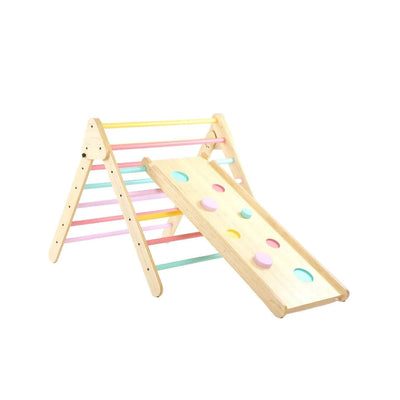
Montessori outdoor play encourages children to develop vital gross motor skills through running, climbing, balancing, and jumping. These activities are critical for physical coordination and spatial awareness, preparing their bodies and minds for complex tasks. Exploring natural elements like mud, water, leaves, and stones also provides unparalleled sensorial experiences, refining their senses in ways that digital screens simply cannot. Engaging in these activities with well-designed gross motor skills toys further enhances their development.
The Indispensable Benefits of Outdoor Play for Holistic Child Development
Research consistently shows that engaging in outdoor play offers a cascade of benefits for children, far outweighing the passive consumption of screen content. Studies indicate that children who spend significant time outdoors exhibit better problem-solving skills, enhanced creativity, and superior concentration abilities. Physically, regular outdoor activity strengthens immunity, improves cardiovascular health, and develops crucial coordination and balance. For toddlers (18-36 months), outdoor exploration is vital for developing independent movement and spatial understanding, while older children benefit from complex imaginative games and collaborative activities.
Child development experts agree that exposure to nature reduces stress and anxiety, fostering emotional resilience. In a joint family setting, grandparents often play a pivotal role, sharing traditional outdoor games like "kho-kho" or "kabaddi" that naturally promote physical activity and social interaction. These experiences are fundamental for nurturing a well-rounded individual, capable of critical thinking and emotional regulation, a stark contrast to the often isolated and sedentary nature of screen time.
Choosing Educational Toys for Outdoors: A Montessori Approach
When selecting Montessori educational toys for outdoor play, the focus should be on materials that encourage exploration, open-ended play, and engagement with nature. Unlike brightly coloured plastic toys that often dictate play, Montessori-aligned outdoor materials inspire creativity and allow children to follow their own interests. Think beyond traditional playgrounds.
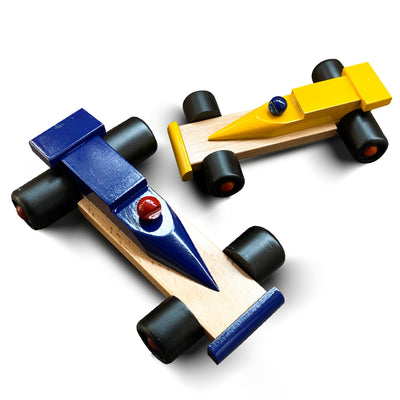
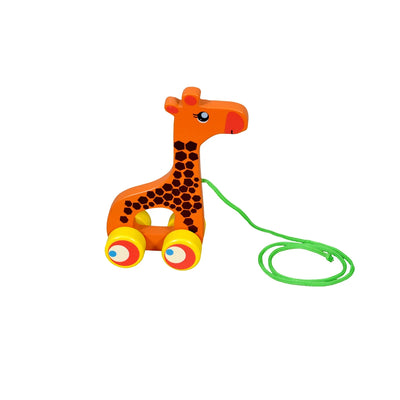
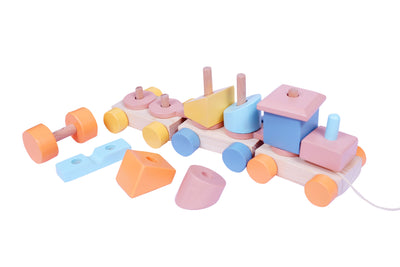
Consider tools like child-sized gardening sets, magnifying glasses for bug observation, balance beams made from natural wood, or even simple buckets and shovels for mud play. These tools empower children to become active participants in their environment, fostering a sense of responsibility and discovery. For parents in Bengaluru looking for screen time alternatives, investing in such purposeful outdoor educational toys from SkilloToys can transform a simple backyard or park visit into a rich learning adventure, aligning with the tech leaders' call for more "green time."
- Tech leaders like Sam Altman strongly advocate for children's outdoor play over excessive screen time, citing holistic development.
- Montessori outdoor play offers essential screen time alternatives through self-directed, sensory-rich engagement with nature.
- Research shows consistent outdoor play improves physical health, cognitive skills, emotional resilience, and social development.
- Reducing screen time effectively involves setting boundaries and providing engaging, nature-based activities for children.
- Educational outdoor toys should be open-ended and natural, encouraging exploration and practical life skills.
- Indian families can leverage parks, gardens, and traditional games to foster children's outdoor engagement, often with grandparent involvement.
Why do tech leaders like Sam Altman advocate outdoor play over iPads for kids?
Tech leaders such as Sam Altman advocate outdoor play because it fosters crucial cognitive, physical, and emotional development that screen time cannot provide. Outdoor experiences build resilience, creativity, and essential motor skills, preparing children for real-world challenges.
What are the core benefits of Montessori outdoor play for children?
Montessori outdoor play offers a rich environment for self-directed learning, sensorial exploration, and practical life skill development. It enhances gross motor skills, problem-solving abilities, and an innate connection with nature, which is vital for balanced growth.
How can Indian parents reduce screen time effectively and encourage outdoor play?
Indian parents can effectively reduce screen time by setting clear boundaries, offering engaging alternatives like gardening or park visits, and creating a 'prepared environment' for outdoor exploration. Involving grandparents can also introduce traditional games that promote physical activity.
Are there specific educational toys that support outdoor Montessori learning?
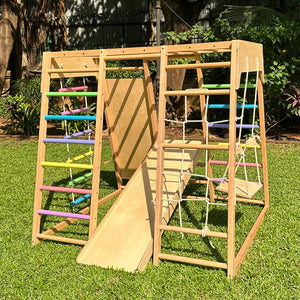
Yes, educational toys that support outdoor Montessori learning are typically open-ended and encourage exploration and skill development. Examples include child-sized gardening tools, magnifying glasses, nature explorer kits, and simple climbing or balancing structures that engage gross motor skills.
What is the long-term impact of consistent outdoor play on a child's development?
Consistent outdoor play significantly impacts a child's long-term development by fostering stronger immunity, better sleep patterns, improved concentration, and enhanced social skills. It builds a foundation for lifelong physical health and emotional well-being, preparing them for academic and personal success.